
If you’ve ever stared at a thick green wall of weeds and wondered how on earth to reach the fish hiding inside, you’re not alone. Aquatic vegetation is one of the most productive fishing habitats out there, and learning to work those beds genuinely changes the game. Whether you’re a seasoned angler or still getting comfortable with the basics — check out our Beginner Fishing 101 guide if you’re just starting out — weed beds deserve a spot in your playbook.
We’ll cover why fish hold in cover, what types of vegetation to expect, the tackle you’ll need, and the rigging techniques that actually work. Let’s get into it.
Why Fish Hold in Weeds — The Four Reasons
Understanding why bass and other gamefish gravitate toward weeds helps you target smarter instead of just throwing and hoping. Four factors make vegetation-packed water so attractive.
Oxygen and Photosynthesis in Warm Water
Aquatic plants produce oxygen through photosynthesis, and that oxygen tends to concentrate near the surface of the weed bed. During warm months, deeper open water can actually run low on dissolved oxygen. Weed beds become oxygen-rich refuges, and fish move into them just to breathe more comfortably. It’s pretty straightforward — where the oxygen is, the fish are.
Cover and Concealment — How Weeds Hide Fish
Weeds give natural camouflage to both predators and their prey. Bass use thick vegetation as a visual barrier, staying hidden from larger threats above while getting a stealth platform to ambush passing baitfish. In clearer water, this cover becomes even more important, since bass can be seen from further away.
Food Concentration — Baitfish, Crawfish, and Insects
Where there’s cover, there’s food. Weed beds attract baitfish, crawfish, and insects that serve as a steady buffet. This concentration of prey draws predators right into the vegetation. If you want to understand what triggers a strike in the first place, our Why Fish Bite article breaks it down — and weed beds basically stack all of those triggers in one place.
Temperature Regulation and Shade
On hot summer days, the water around weed beds often runs cooler than exposed open water. The plants provide shade, and root structure in submerged vegetation helps buffer temperature swings. Bass tend to stage in these more stable zones rather than wandering around open water.
What about post-spawn timing? “Post-spawn” refers to the period after bass have finished spawning — usually late spring to early summer, depending on where you live. During this window, bass leave the shallow flats and move into cover-rich areas like weed beds to feed hard and recover. It’s one of the most productive times of year to be throwing into grass.
Four Types of Aquatic Vegetation You’ll Encounter
Not all weeds are the same, and knowing what you’re dealing with helps you pick the right approach. You’ll generally run into four categories.
Floating Vegetation: Lily Pads, Duckweed, and Water Hyacinth
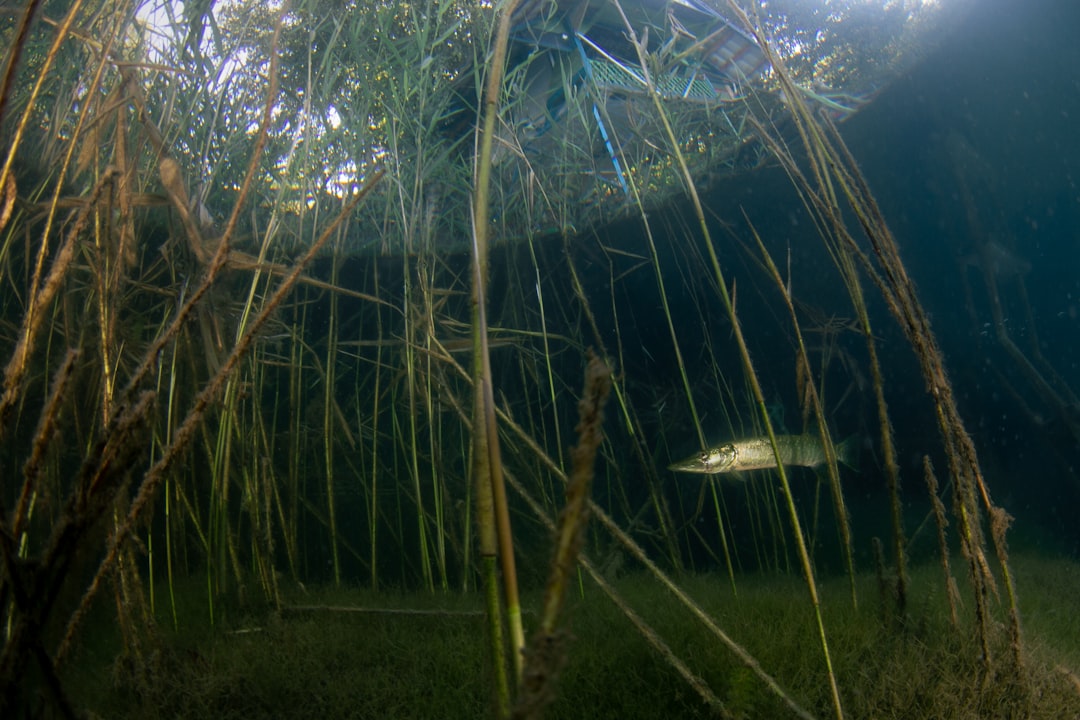
Floating plants rest on the surface and create holes, openings, and edges that fish love. Lily pads provide solid cover with natural gaps you can target. Duckweed forms a thin green carpet that often hides thick submerged vegetation underneath. Water hyacinth creates dense floating mats that hold baitfish and bass in roughly equal numbers.
The trick is targeting the holes and edges — those openings where fish slip in and out while staying covered. I’ve seen plenty of beginners miss the bite because they’re casting into the thickest part instead of working the natural travel lanes.
Submerged Vegetation: Hydrilla, Milfoil, and Peppergrass
Submerged plants grow entirely underwater and form dense beds from the bottom up. Hydrilla is especially thick and can grow in water ranging from a few inches to several feet deep. Milfoil has feathery, fern-like leaves and often creates layered beds. Peppergrass — also known as Illinois pondweed — grows in upright, grass-like stems and shows up in lakes and rivers all over the place.
This is where most of the heavy bass action happens during the summer months. If you’re only fishing one type of cover all season, make it submerged vegetation.
Emergent Vegetation: Cattails, Reeds, and Rushes
Emergent plants grow out of the water with their roots submerged and their tops sticking above the surface. Cattails, reeds, and rushes line shorelines and create heavy cover along the edges. These areas are especially productive during the spawn and early post-spawn, and they’re usually fished from the bank using flipping or pitching techniques — more on those later.
Algae and Surface Mats — Including Safety Notes on Blue-Green Algae
Algae is different from true aquatic plants — it’s a microscopic organism that can form thick surface mats during warm, nutrient-rich conditions. Some algae is harmless and can even attract forage, but blue-green algae (cyanobacteria) produces toxins that are harmful to fish, wildlife, pets, and humans. If you see water that looks like pea soup or has a bright green scummy surface, exercise caution and check local advisories before you start casting.
Cover vs. structure — what’s the difference? In fishing terms, “cover” refers to vegetation, debris, or organic material that fish use for hiding. “Structure” means physical underwater features like rocks, fallen trees, drop-offs, and hard bottom. Weed beds are classic cover, but they often grow over structure, which makes them even more productive. Think of it this way: structure is the stage, and cover is the curtain.
When to Fish Weed Beds — Seasonal Timing and Conditions
Weed beds produce fish throughout the year, but certain times give you better success rates — especially if you’re still learning.
Late Spring and Early Summer — Peak Weed-Bed Fishing
In most regions, late spring and early summer are the prime window for fishing weeds. Water temperatures have warmed up, vegetation has grown thick, and bass are actively feeding. In southern states like Texas or Florida, this window may open as early as March or April. Up north in places like Minnesota or Maine, it often doesn’t arrive until June or early July. Regional timing varies a lot, so pay attention to local water temperatures and plant growth rather than just the calendar.
How Water Temperature Changes What Happens in the Weeds
Water temperature drives bass behavior, and it directly affects how fish use weed beds. When water sits in the 65–75°F range, bass often hold right in the heart of thick vegetation. As temperatures push past 80°F, bass tend to shift to the outside edges of weed beds or move to deeper water around the perimeter. If you want to dig deeper into how temperature shifts affect bass movement, check out our Bass Water Temperature Guide.
During early spring, weed beds are still thin and fish may not fully commit to them yet. Come fall, as weeds die back, bass follow baitfish to whatever green patches are left.
Water Clarity and Weather — Clear vs. Stained Water
Water clarity plays a big role in your approach. In stained or muddy water, fish feel more secure and will often hold deeper in the vegetation. In very clear water, bass tend to hang near the outside edges or in openings within the bed.
A cold front that drops water temperatures can slow things off for a day or two, but once conditions stabilize, weed beds usually fire up again. Overcast days often bring more active fish than bright, sunny afternoons. If you’re still learning how to read water conditions, our How to Read Water article covers the fundamentals.
When Weed Fishing Won’t Work Well
Weed fishing doesn’t work equally well every time, and that’s worth acknowledging upfront. If a cold front just moved through and the water is still cooling down, fish may be sluggish and hard to entice. Heavy weed growth that’s formed a solid mat with zero openings can be frustrating — the fish are often trapped underneath with very little access. Very windy conditions also make boat positioning tough and wreck your accuracy. In these situations, shifting to weed bed edges or transitional zones usually produces better results.
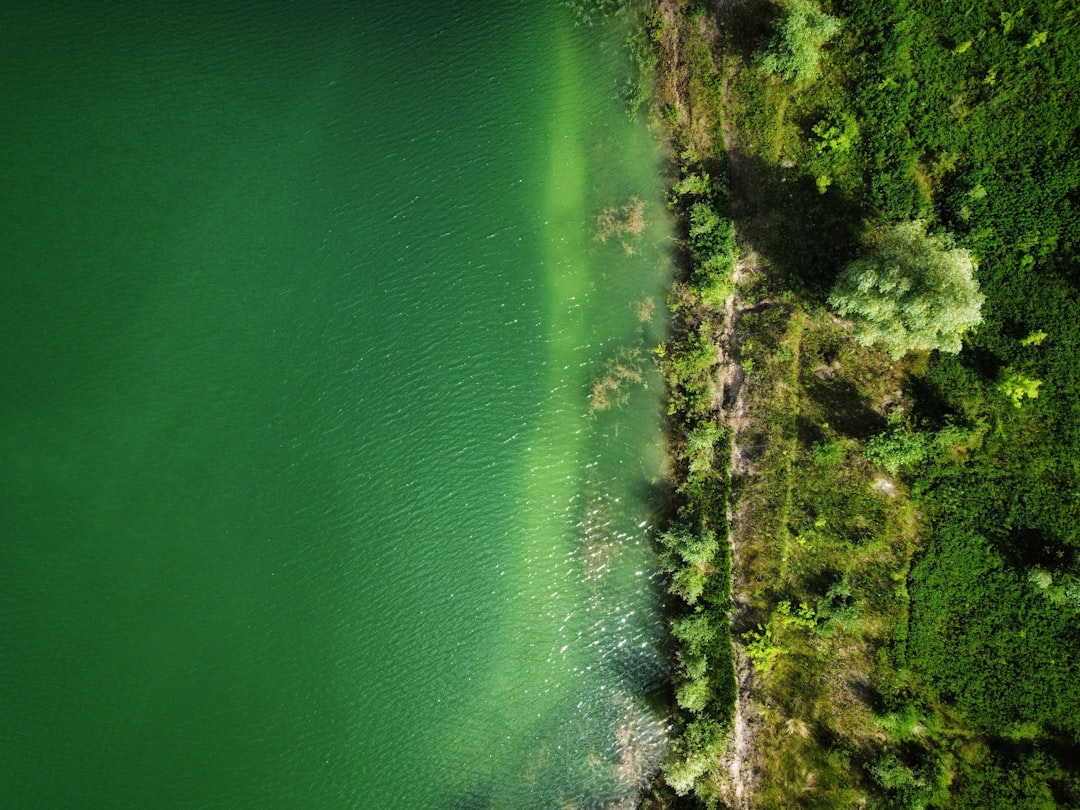
Essential Gear for Fishing Cover
Fishing weeds requires gear that can handle the demands of heavy vegetation. Here’s what to look for when building your weed fishing setup.
Rod: Heavy Power, Fast Action
A heavy-power rod with a fast action tip gives you the backbone to punch through thick vegetation and set hooks through weeds. Look for a 7-foot to 7-foot-2-inch medium-heavy or heavy rod rated for 12–25 lb test. The fast action helps you feel bites — trust me on this one — and deliver a solid hook-set when a fish buries itself in the grass. If you’re also planning to throw lighter presentations on the same trip, a medium-heavy rod is a solid compromise.
Reel: Baitcasting for Control and Drag
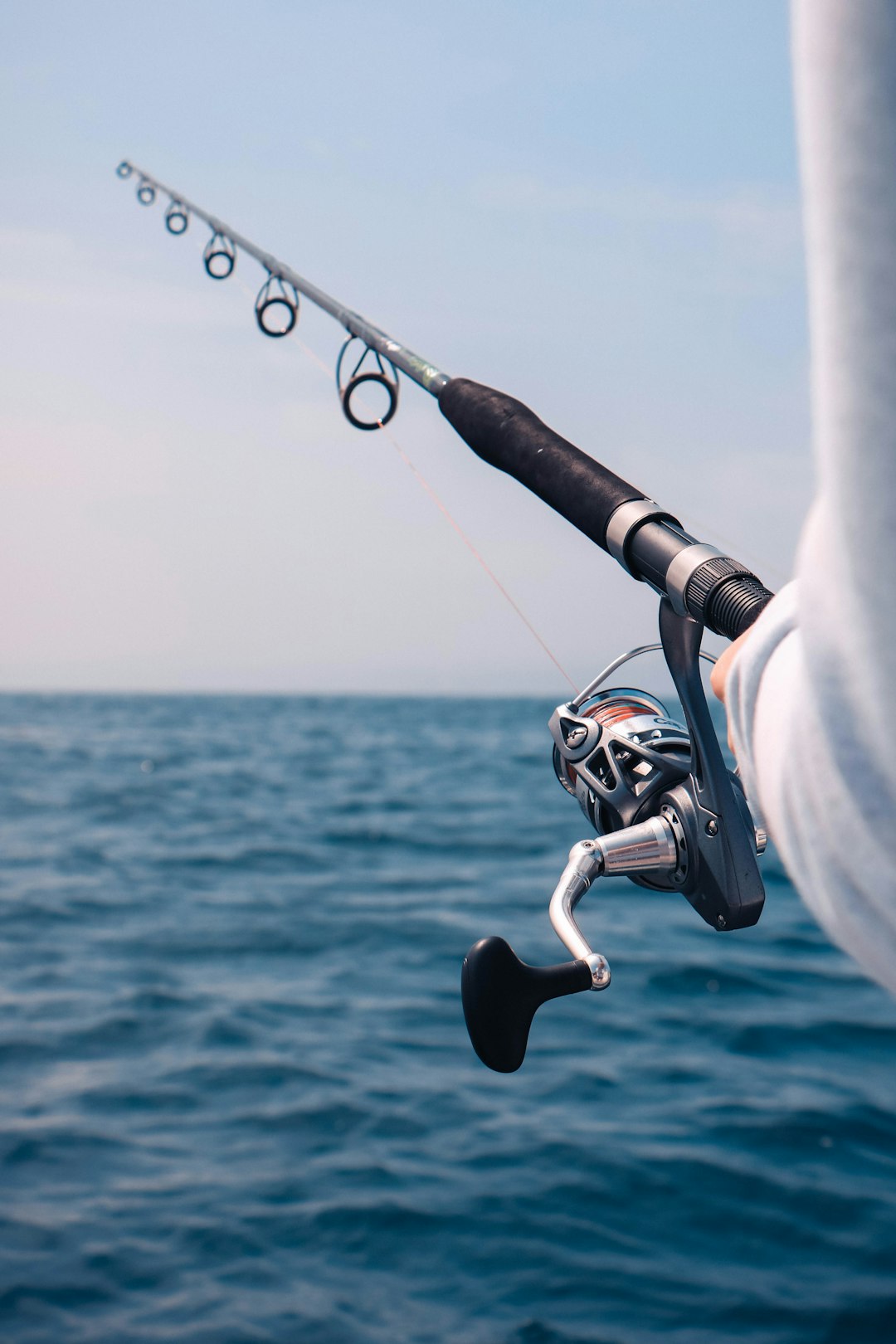
What is a baitcasting reel? It sits on top of the rod, with the spool facing downward. It gives you precise casting control, stronger drag systems, and better line management when fishing heavy cover. A spinning reel, by contrast, mounts underneath the rod and is generally better suited for lighter lures and open-water fishing.
For weed fishing, a baitcasting reel with an adjustable braking system helps prevent line twist and backlashes, which beginners run into constantly when casting into heavy cover. Look for a reel rated for 10:1 to 8.1:1 gear ratios.
Line: Braided Line and When to Add Fluorocarbon Leader
Braided line is the standard for weed fishing, period. It has virtually no stretch, which means you feel every bump and get maximum hook-setting power. A 30–50 lb braided main line is a solid starting point.
In clear water, adding a fluorocarbon leader (14–20 lb test) cuts down on visibility. Some anglers just run braid straight through, especially in stained water where line visibility isn’t really a concern.
Weights: Bullet Weights vs. Punch Weights
What are bullet weights? They’re teardrop-shaped sinkers that stream through water cleanly and reduce snagging. You’ll see them on Texas rigs and other soft-plastic presentations all the time. Punch weights are flat-bottomed weights designed specifically to punch through thick vegetation — they look like a bullet weight with a flattened base.
For beginners, start lighter. A 1/4 oz bullet weight works fine for Texas rigging through moderate cover. A 1 oz punch weight is a good starting point for punching heavier vegetation. Scale up as you gain confidence and run into thicker weed beds.
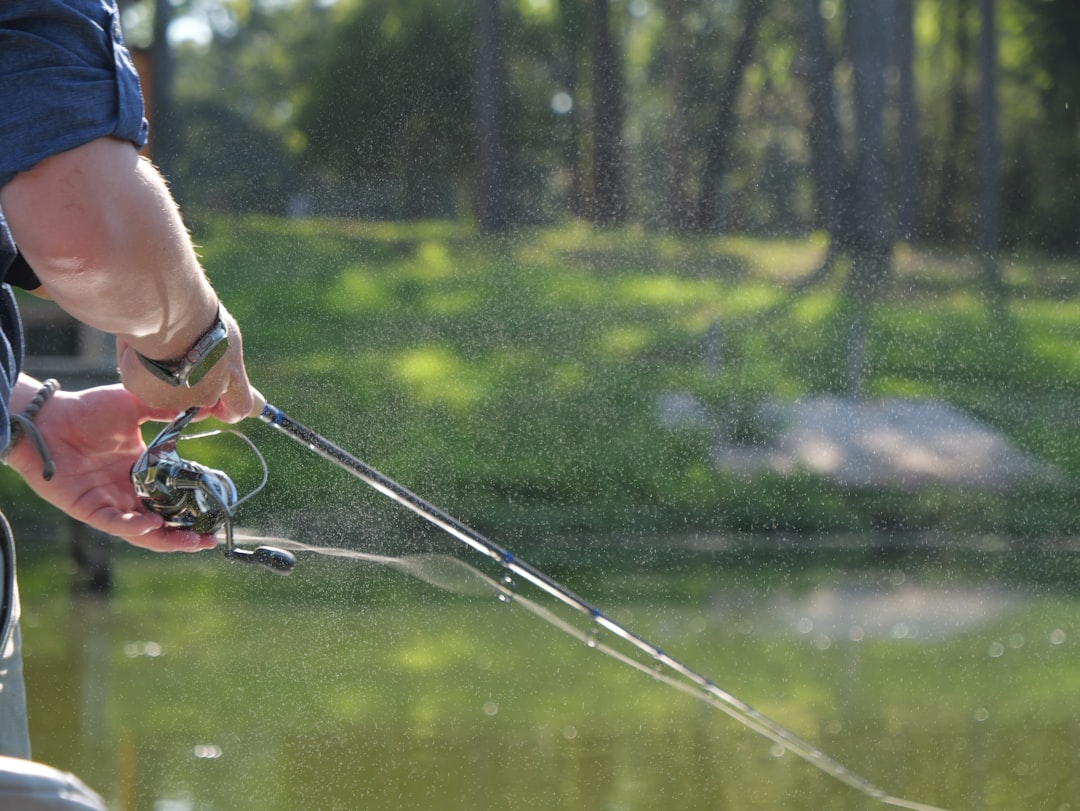
Five Weedless Rigs Every Beginner Should Learn
A weedless rig is any presentation designed to move through vegetation without getting hung up on every blade of grass. Mastering five core rigs is honestly one of the most important steps in learning how to fish grass for bass.
What “Weedless” Actually Means
A rig is “weedless” when the hook point is tucked into the bait, shielded by the weight, or positioned so that vegetation passes by without catching on it. The goal isn’t to eliminate snags entirely — that’s not realistic — it’s to reduce them enough so you can make more casts and cover more water.
Texas Rig — The Most Versatile Weedless Rig
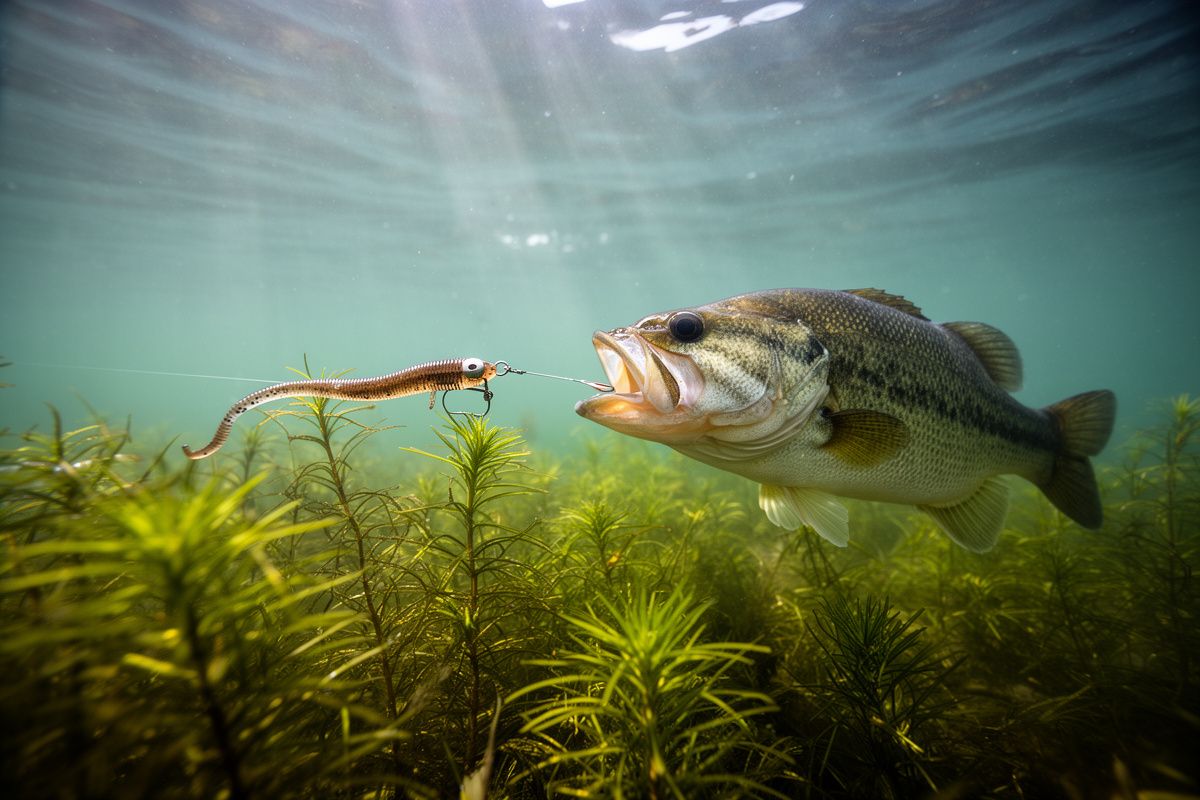
The Texas rig is the Swiss Army knife of soft-plastic fishing. Thread a bullet weight onto the line, add a bead (optional but recommended — it protects your knot and adds a subtle clink that can trigger strikes), then tie on an offset worm hook. Push the hook point into the nose of a soft plastic worm, craw, or creature bait, and bury the point back into the body so the hook is weedless.
The Texas rig works in everything from sparse grass to thick hydrilla. If you’re new to soft plastics, our Soft Plastic Baits for Beginners article walks through the most useful shapes, sizes, and colors.
What is an offset hook? An offset hook (sometimes called a wide-gap hook) has a slight bend at the eye. This design aligns the hook point better with the shank, which improves your hook-up ratio — especially when the bait sits on the bottom or moves through vegetation. Most weedless rigs use one.
Ned Rig — Designed for Weedless Simplicity
The Ned rig was named after Ned Kehde, an outdoor writer from Kansas who popularized it. It uses a dedicated Ned head — a small, heavy jig head with a built-in weed guard — paired with a compact, square-profile soft plastic bait. The weed guard covers the hook point, making it naturally weedless without any trimming or tweaking.
The Ned rig excels where bass are pressured or when fish won’t commit to a larger bait. It’s easy to learn and honestly hard to mess up, which makes it perfect for beginners.
Paddle-Tail Jig Head with Creature Bait
Pairing a paddle-tail jig head (with a wire weed guard) and a creature bait — like a craw-style plastic with multiple appendages — creates an aggressive, highly weedless presentation. The paddle-tail cuts through grass and delivers a strong vibration that pulls fish from a distance. This combo works particularly well in moderate to thick submerged vegetation.
Grass-Busting Jig — Punching Through Thick Cover
A grass-busting jig is built specifically for heavy cover. It features a heavily weighted jig head and a wide-gap hook tucked deep into a chunky creature bait. The weight does the heavy lifting — it drives the presentation straight through thick mats of hydrilla, pennywort, or pondweed.
If you’re new to punching techniques, start with a lighter jig (around 3/4 oz to 1 oz) and practice on moderately thick vegetation before going after the heavy stuff. There’s no rush to throw the biggest weight you can find.
Flip Jig and Football Jig — Rolling Through Cover Edges
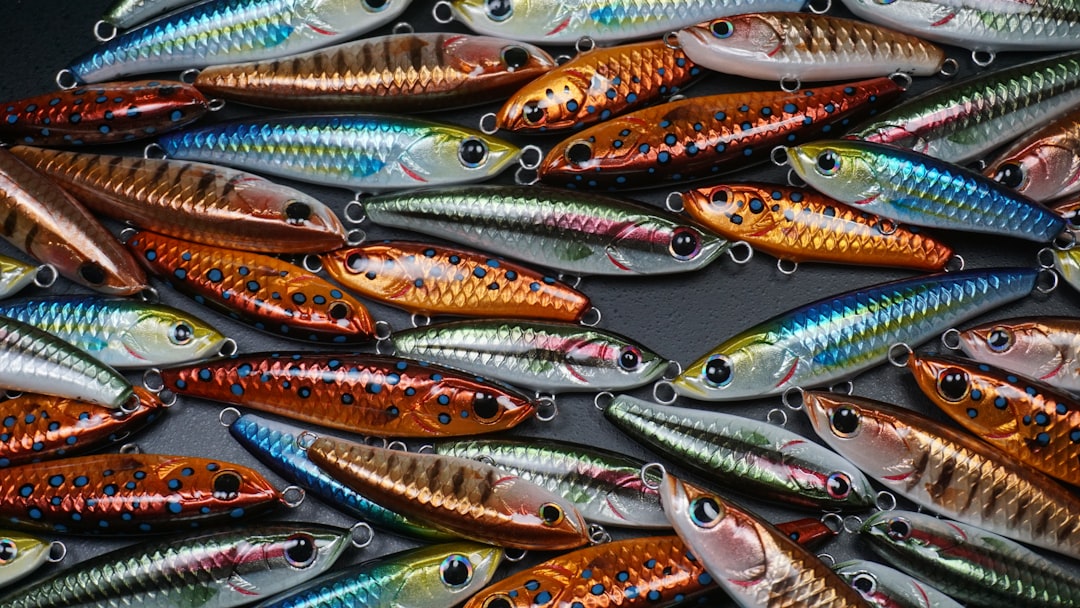
Flip jigs and football jigs excel at rolling along cover edges and through sparse vegetation. A flip jig has a larger hook and heavier head, designed for short, accurate casts into tight spots. A football jig features a rounded weight that rolls cleanly over rocks and through thin grass. These are especially useful along the outside edges of weed beds, around fallen trees, and along any transition zone where cover meets open water.
Approaching Weed Beds — From the Bank and the Boat
How you reach a weed bed matters just as much as what you throw into it. Fish in heavy cover are often wary of movement and noise, so your approach counts.
Bank Fishing Approach — Cast Beyond, Retrieve Toward
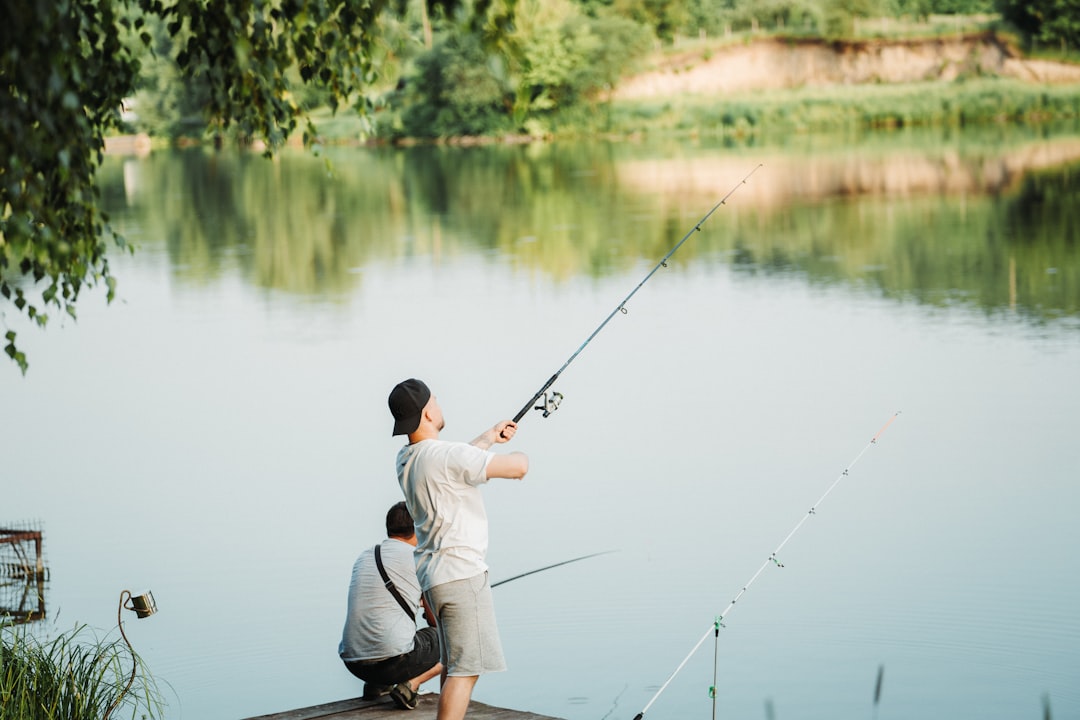
When fishing from the shore, the goal is to cast past the weed bed and retrieve through it. That way, your line and bait move in the direction the fish are facing, which cuts down on the chance of spooking them. If you’re new to shore-based techniques, our Bank Fishing for Beginners guide covers casting angles and positioning tips.
Stay low and move quietly along the bank. Wading through water can disturb bass holding in nearby cover — it’s easier said than done when the sun’s beating down, but it matters.
Boat Approach — Stay Quiet, Stay on the Deep Side
From a boat, position yourself on the deeper side of the weed bed when you can. Bass often face toward open water while holding in cover — approaching from the deep side keeps your shadow and boat noise away from the fish. If you’re running an electric trolling motor, keep the speed low. Fast approaches create bow waves that push right through weed beds and flush fish before you even cast.
When to Fish the Edge vs. Inside the Weeds
Outside edge means the perimeter of a weed bed bordering deeper, open water. Inside edge borders the shallow bank or shoreline. Which one you fish depends on conditions:
- In clear water, fish the outside edge — bass hold near the perimeter where they can bolt to deeper cover.
- In stained or murky water, fish deeper inside the bed — fish feel more secure and push farther in.
- During the spawn and early post-spawn, the inside edge is often more productive because bass move shallower.
Flip vs. pitch — what’s the difference? Flipping involves short, high-arcing casts made with a slow rod sweep, usually for targeting tight openings. Pitching uses a faster, more forceful casting motion that sends the bait on a lower trajectory. Both are highly accurate, but flipping is gentler on the target area.
Retrieval Speed and Cover Density — Matching Your Technique
How fast you retrieve through weeds matters a great deal. A speed that works in thin grass can leave fish behind in thick hydrilla, so match your pace to the cover.
Thick Cover — Slow Down and Let the Bait Soak
In dense vegetation, slow down. Let the bait sit on the bottom or hover just above the weed line for a few seconds. This pause gives fish time to find the bait and commit to a strike.
What is soak time? Soak time is the pause you let a presentation sit in one spot before moving it again. In heavy cover, a 3–5 second soak frequently triggers strikes that a continuous retrieve would miss entirely.
After the soak, give a short rod twitch or a couple of reels, then pause again. The key is keeping the bait close to the weed line without dragging it up into open water.
Sparse Cover — Moderate Speed, More Water Covered
When vegetation is thin or patchy, you can cover more water. A steady, moderate retrieve works well, with occasional pauses to mimic injured prey. The bait should move just above the weed tips without riding too deep. This is where a Texas rig with a swimbait profile or a paddle-tail jig head really shines.
Swim-Pause-Swim and Fishy-Fishy-Pause Cadences
Cadence — the rhythm of your retrieve — often matters more than raw speed. Two patterns that work especially well in weed beds:
- Swim-pause-swim: Two or three short rod lifts followed by a 2–3 second pause. Repeat. This mimics a baitfish darting and then hiding in the grass.
- Fishy-fishy-pause: Three quick twitches followed by a slightly longer pause. This pattern often triggers reaction strikes from bass holding in thick cover.
If you’re not getting bites, slow the pauses down or shorten the twitches. Adjusting your retrieve is usually the easiest fix before switching tackle entirely.
What to Do When You Get Snagged — Snag Recovery Tips
Even with weedless rigs, snags happen. I’ve been fishing long enough to know that weedless doesn’t mean snag-proof. Here’s how to handle them.
The Trigger Method — Slow Tension, Then Snap
When your line goes tight on a snag, resist the urge to yank immediately — I know it’s tempting. Instead, apply slow, steady pressure by reeling gently. After a few seconds of constant tension, give a sharp, downward rod snap. This sudden force often breaks the hook free from the vegetation.
The slow tension first helps the hook find the “trigger point” — the angle where a quick snap releases it rather than digs it deeper.
When to Cut Bait and Move On
If the trigger method doesn’t work after two or three tries, cut the line. Keep a small pair of line cutters or nail clippers on your boat or in your vest. It’s better to lose a two-dollar rig than to tangle your reel, damage your rod tip, or waste an entire afternoon. Trust me — the fish will still be there.
Beginner Mistakes to Avoid When Fishing Weeds
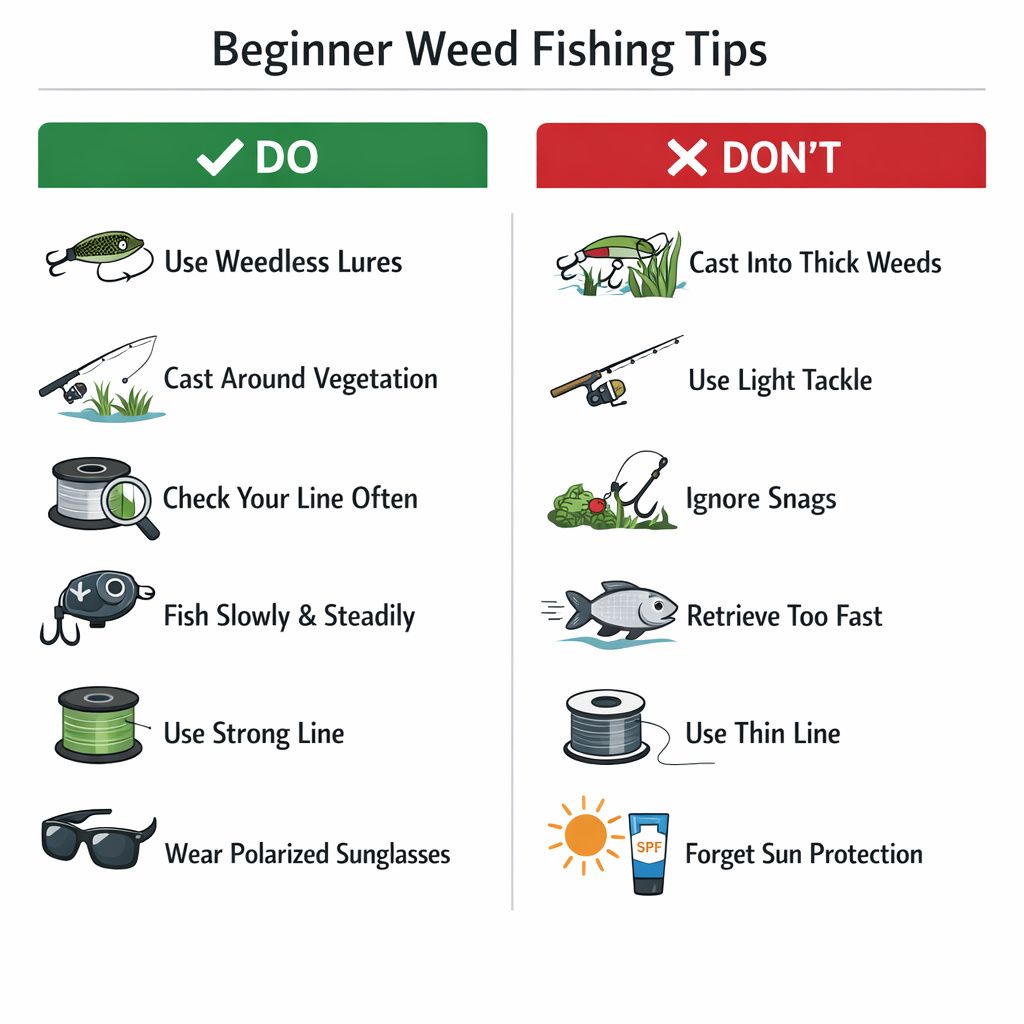
Every angler makes mistakes when learning to fish cover. Avoiding these common errors will move you up the curve faster.
Casting Over Fish and Spooking the Bed
Casting directly over a school of bass holding in a weed bed usually scares them into hiding deeper — or into open water entirely. Instead, cast to the perimeter and work your way in, or try flipping from a lower angle.
Retrieving Too Fast Through Thick Cover
Speed kills in heavy weeds. A fast retrieve pushes the bait out of the strike zone and gives bass no time to react. One of the most useful weed-fishing tips I can give you is simple: slow down, especially when working through thick hydrilla or milfoil beds.
Not Varying Depth in the Weed Column
Bass don’t hold at one fixed depth in a weed bed — they move through the entire column. Some sit on top of the vegetation, some hover in the middle, and some hold at the bottom. Adjust your weight or retrieval speed to work different levels within the weed structure.
Using the Wrong Hook or Line Type for Cover
Monofilament line has too much stretch for effective hook-sets in thick cover, and a light hook may simply bend when you try to set through weeds. Match your hook size and line type to the density of the vegetation. When in doubt, go heavier — it’s easier to scale down than to deal with lost fish.
Safety and Responsibility — Algae Awareness and Invasive Species
Fishing in weed beds comes with important safety and environmental considerations every angler should know.
Blue-Green Algae and Harmful Bloom Awareness
Blue-green algae (cyanobacteria) can produce toxins called cyanotoxins that are harmful to humans, pets, and wildlife. Signs of a potential harmful algal bloom include:
- Water that looks like green pea soup or has a bright green, scummy surface
- Reddish or brownish discoloration near shorelines
- An earthy or musty odor coming from the water
If you suspect a bloom is present, avoid contact with the water. Don’t let pets swim in affected areas, and check local health department or state natural resources websites for current advisories before heading out.
Clean, Drain, Dry — Preventing Invasive Species Spread
Aquatic vegetation can carry invasive species and plant fragments from one body of water to another. Before leaving any launch or access point:
- Clean your boat, trailer, and gear to remove mud, plants, and debris
- Drain all water from your boat, livewell, and bilge
- Dry everything thoroughly before visiting another water body
This simple routine helps prevent the spread of invasive species like hydrilla, Eurasian watermilfoil, and quagga mussels — all of which cause significant ecological damage.
A note on local regulations: Fishing rules vary by state, county, and sometimes by individual water body. Some lakes have specific restrictions during certain seasons. Check your state’s fishing regulation booklet before heading out — local rules can change and it’s worth staying current.
Frequently Asked Questions
What is a weedless rig and why do I need one for fishing grass?
A weedless rig is any bait presentation designed to move through vegetation without getting hung up on every blade of grass. The hook point is shielded, tucked into the bait, or protected by a weed guard. You need one because regular rigs snag constantly in weed beds, which means fewer casts and more frustration. Weedless presentations let you make repeated casts into heavy cover with confidence.
How do I tell what type of weeds or grass are in the water?
Start by looking at the surface. Floating vegetation like lily pads and duckweed is easy to spot from a distance. Submerged plants like hydrilla and milfoil often show up as green patches or mounds beneath the surface. Emergent vegetation like cattails grows above the water line along shorelines. Your state’s natural resources department often publishes local vegetation maps and species guides, and a quick search for “aquatic vegetation in [your lake name]” usually turns up useful info.
Can I fish weed beds with a spinning rod instead of baitcasting?
Yes. A spinning setup works fine for lighter weed presentations — particularly Texas rigs with smaller baits, Ned rigs, and fishing through sparse to moderate vegetation. The trade-off is that spinning gear generally has less hook-setting power and a weaker drag system compared to baitcasting setups. If you plan to fish heavy cover regularly, a baitcasting setup is worth the investment.
What size weights should beginners use when fishing cover?
Start lighter and work your way up. A 1/4 oz bullet weight is a great starting point for Texas rigging through moderate cover. For punching heavier vegetation, a 1 oz punch weight is manageable and still effective. In very thin grass, you can even drop to 3/16 oz. As you encounter thicker weed beds and build confidence, scale up to heavier weights.
How do I get my lure unstuck when it snags in the weeds?
Apply the trigger method: reel in with slow, steady pressure for a few seconds, then give a sharp downward snap of the rod. The steady tension helps the hook find an angle, and the snap often frees it. If that doesn’t work after two or three tries, cut the line and move on. Keep line cutters or small scissors handy — losing a rig is far better than tangling your reel.
Should I fish the edge of the weed bed or cast inside it?
Both approaches work, and the best choice depends on conditions. Fish the outside edge in clear water, during bright sunny days, or when bass seem skittish. Cast deeper inside the weed bed in stained or muddy water, on overcast days, or during early spring. A solid strategy is to start at the edge and work your way in if you’re not getting bites — the fish may be staging deeper than you expect.
Is blue-green algae dangerous to be around while fishing?
Blue-green algae isn’t always dangerous, but when it forms a harmful algal bloom (HAB), the toxins can affect humans, pets, and wildlife. Symptoms of exposure include skin irritation and gastrointestinal upset. If you notice water that looks unusually green or scummy, check for local advisories and consider fishing a different area. Avoid letting dogs swim in suspected bloom areas, since pets are particularly vulnerable.
What time of year is best for weed-bed bass fishing?
Late spring through early summer is generally the peak window in most regions, but regional timing varies. In southern states, productive weed fishing can begin as early as March or April. In northern states, it often doesn’t peak until June or July. Fall weed fishing can also be excellent, particularly as water cools and bass follow baitfish into remaining green patches. Match your timing to local water temperatures and vegetation growth in your area.
Fishing in weeds and grass takes practice, but the rewards are definitely worth it. Thick cover produces reliable action once you learn the right techniques, rigs, and approaches. Start with lighter weights and simpler presentations, build your confidence, and gradually work your way into heavier cover. Every weed bed you fish teaches you something new about how bass use vegetation — and that knowledge adds up with every trip on the water.