
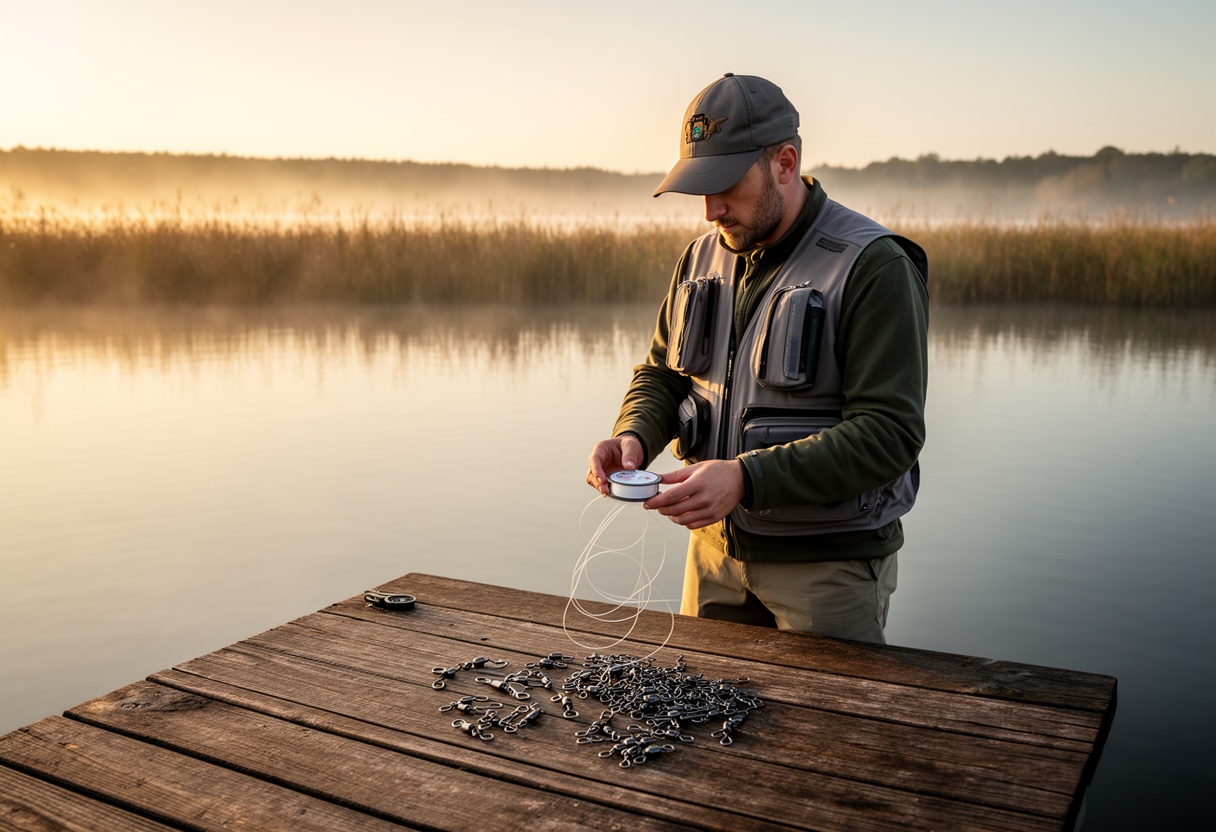
You’ve picked up a fishing rod, loaded your reel with line, and tied on a hook. The basics are clear enough. But there’s one piece of gear most beginner guides gloss over — the leader — and without it, you’ll lose fish and cut line more often than you need to.
This guide explains what a fishing leader actually is, why it matters, and exactly how to tie one yourself. By the end, you’ll be able to attach a leader to your main line in under two minutes, and you’ll know which type to use for nearly any freshwater situation.
What Is a Fishing Leader?
A fishing leader is simply the last section of line between your main line and your hook or lure. If your main line is the highway, the leader is the last mile — the part that actually meets the fish.
Leaders are usually made from a different material than your main line. The most common setup these days is a strong braided main line connected to a thinner, nearly invisible fluorocarbon leader. You join the two with a knot.
Even if you’ve never heard the word “leader” before, you may already use one without knowing it. Pre-rigged soft plastic setups and many crankbaits come with a small section of fluorocarbon already attached — that’s a leader.
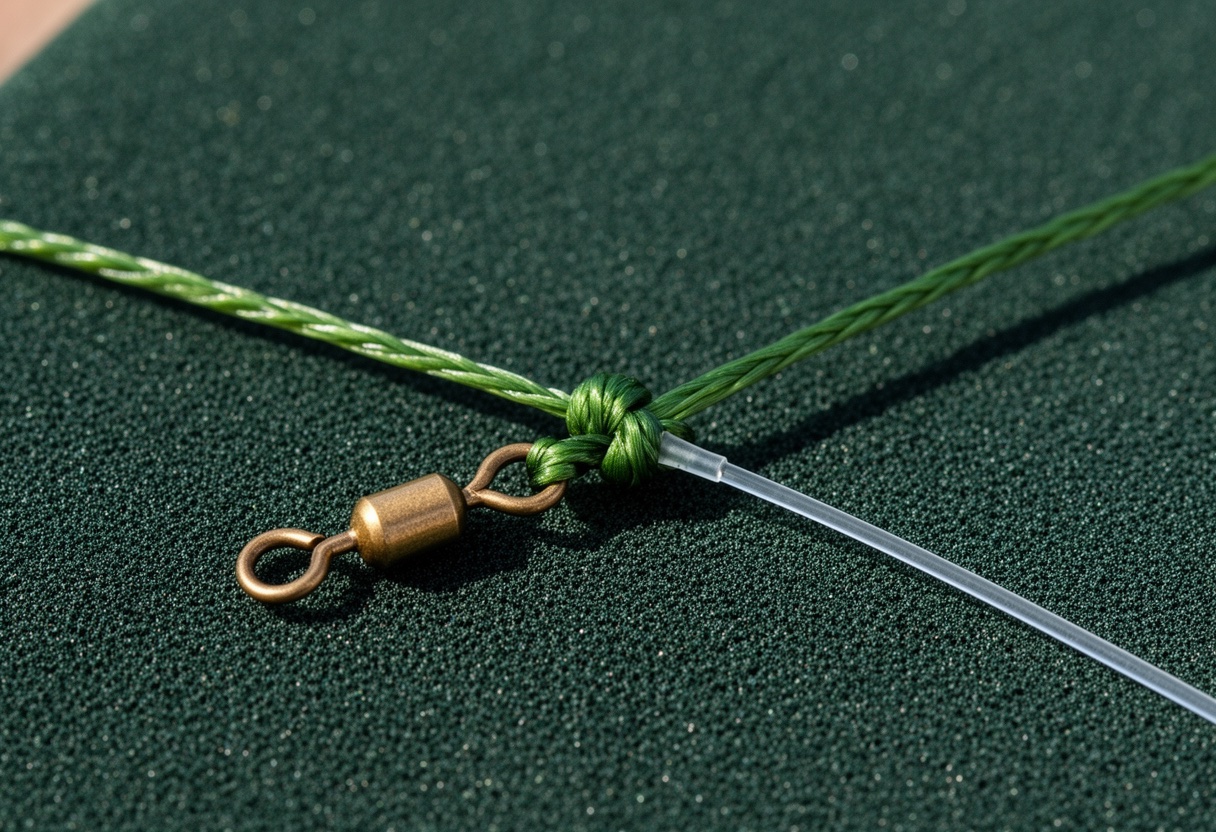
The key thing to understand is that a leader is sacrificial. When a fish bites through your line, you want it to cut the leader — a cheap, replaceable six inches — not your entire main line all the way back to the reel.
Why Use a Leader at All?
Skipping a leader seems like an extra step beginners can skip. In practice, it’s the step that saves you the most frustration. Here’s what a leader actually does:
Abrasion resistance. Fish live around structure — rocks, submerged logs, boat docks, and weeds. When you fight a fish near any of these, your line drags across rough surfaces. Braided line, despite being strong, cuts like butter on sharp rock. A fluorocarbon leader resists abrasion much better, keeping your connection intact until the fish is close enough to land.
Invisibility. Braided line is extremely visible underwater — it looks like a bright green or orange string against any water background. Fish, especially bass and trout in clear water, often see and avoid bright main lines. Fluorocarbon has a refractive index nearly identical to water, making it almost invisible once submerged. Fish see a hook and bait with nothing connecting them, which typically means more bites.
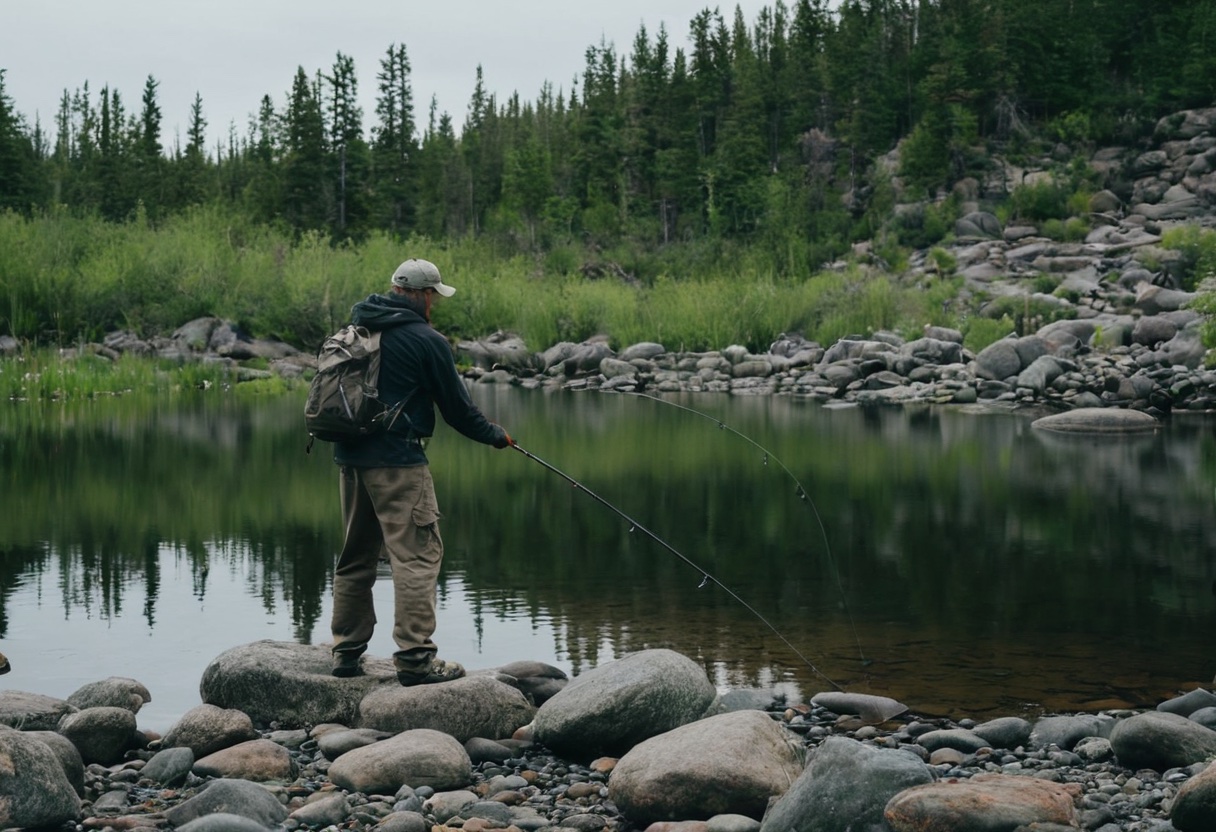
Tooth protection. Certain fish — pike, muskie, walleye, and even large catfish — have teeth or gill plates sharp enough to slice through any fishing line. For these species, a wire leader is the only thing that prevents a heartbreak bite-off. You can fight a pike for three minutes and lose it in the last three seconds because you skipped the leader.
Different buoyancy. Some main lines float, while leaders can sink. If you’re using floating braid but want your bait to sit deeper, a sinking fluorocarbon leader helps your presentation get down without switching your entire spool.
Fluorocarbon vs. Wire — Which Leader for What Situation?
Most freshwater beginners only need two types of leaders to cover 95% of their fishing. Knowing when to use each one matters more than memorizing every leader knot in the book.
Fluorocarbon leaders are the default choice. They’re nearly invisible underwater, resist abrasion from rocks and structure, and let lures swim naturally. Use fluorocarbon for bass, crappie, trout, panfish, and most soft-plastic or live-bait presentations. In clear or pressured water where fish are line-shy, fluorocarbon is practically mandatory.
Wire leaders are situation-specific. Use them when targeting fish with teeth — pike, muskie, large walleye, or gar. Wire leaders also handle aggressive retrieves with large metal lures without stretching. The downside: wire is very visible underwater, can bend and tangle, and makes lures swim less naturally. If you’re fishing with kids or in a group, wire is actually the safer choice — nobody worries about losing an expensive lure to a toothy bite-off.
Rule of thumb: Start with a spool of 10-pound fluorocarbon leader material. It works for nearly everything. Switch to wire only when you start targeting toothy species.
Leader strength: Your leader should typically be 2-4 pounds heavier than your main line. If you’re running 10-pound braid, a 12-14 pound leader works well.
Leader length: For freshwater, 12 to 24 inches is the sweet spot. Shorter leaders don’t provide enough abrasion buffer; longer leaders can tangle during casting.
The Best Leader Knots for Beginners
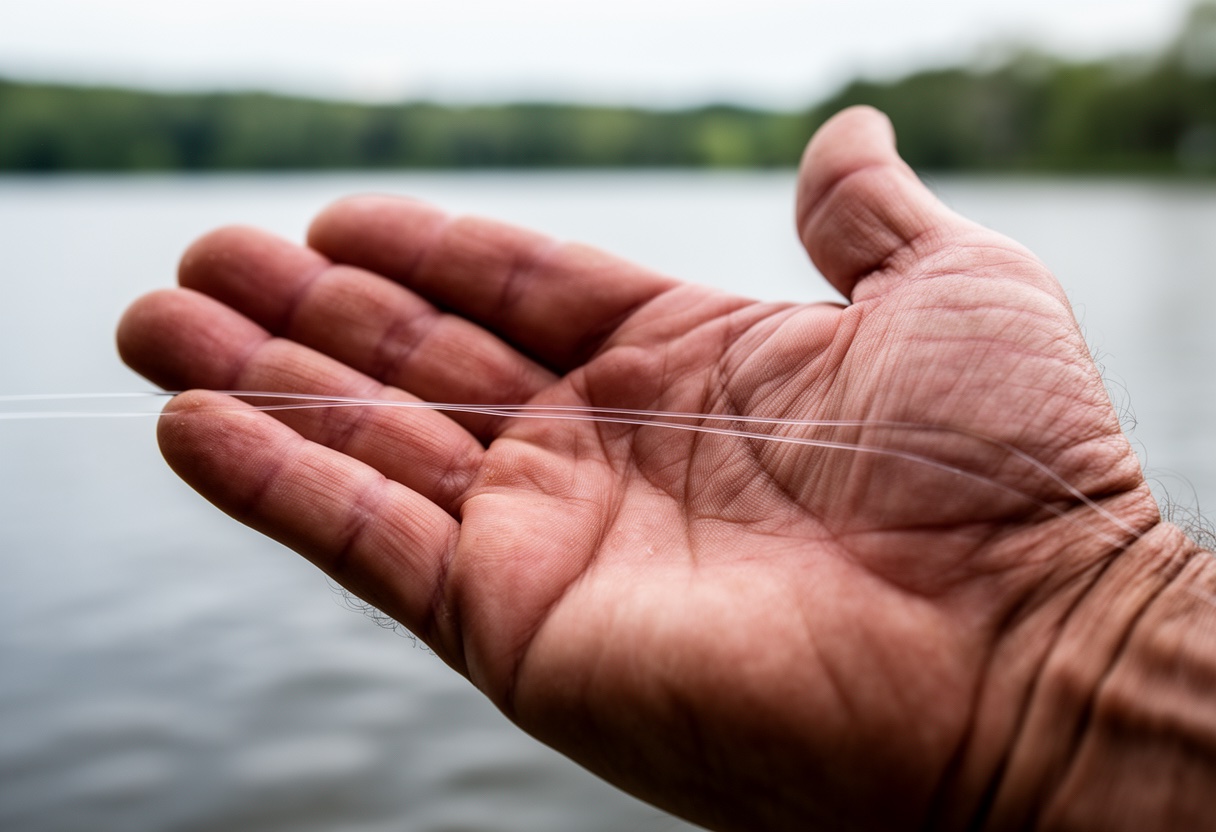
Not all knots are created equal, and some are much easier to learn than others. Here’s how to think about leader knots as a beginner:
Improved Clinch Knot — Start here. It retains about 85% of your line’s strength, works with both monofilament and fluorocarbon up to about 20-pound test, and is one of the most widely used fishing knots in the world. It’s also quick to tie even with cold, wet hands. Use 5 wraps for heavier line and 7 for lighter line. One limitation: it doesn’t work reliably with braided main line, since braid is too slippery.
Palomar Knot — If your main line is braided, the Palomar is the go-to. It works with virtually any line type, including braid, and is actually simpler to tie than the Improved Clinch — you double the line through the eye, which means even if you mess up the wraps, you still have a solid connection. The trade-off is that it’s slightly bulkier, which occasionally catches on rod guides during long casts.
FG Knot — This is the strongest leader connection available, retaining nearly 100% of line strength with the thinnest profile. It’s also the most difficult to learn, requiring separate wraps on both the braid and the leader. Save the FG knot for later — master the Palomar or Improved Clinch first.
“Do I need a swivel between my main line and leader?” The answer is usually no. Swivels prevent line twist, which is a real issue with spinning lures (spinners, spoons) but not with soft plastics, jigs, or most baits. A swivel adds bulk, visibility, and an extra weak point. Skip it unless you’re using a lure that actively twists your line.
Step-by-Step: Tying Your First Leader
Here’s how to tie an Improved Clinch Knot to connect fluorocarbon leader material to a swivel or hook. The same steps apply to attaching your leader to nearly anything with an eye — hooks, lures, snap swivels.
Step 1: Thread the fluorocarbon leader through the eye of your swivel or hook. Pull about 6 inches of “tag end” — the loose end — through.
Step 2: Wrap the tag end around the standing line — the long part going back toward your reel — 5 to 7 times. Keep the wraps neat and parallel. They shouldn’t overlap. Use fewer wraps for heavier line and more for lighter line.
Step 3: Thread the tag end through the small loop that formed just above the swivel eye. This is the original clinch knot step.
Step 4: Now make the “improvement.” Pass the tag end through the larger loop you just created in the previous step. This extra tuck prevents the knot from slipping under load.
Step 5: Moisten the knot with saliva or water. This is the step most beginners skip, and it matters. Pulling a dry knot tight creates friction heat that can weaken the line by 30% or more.
Step 6: Pull the standing line slowly and steadily. The wraps should cinch down neatly against the swivel eye. Trim the tag end close — about 1/8 inch is enough.
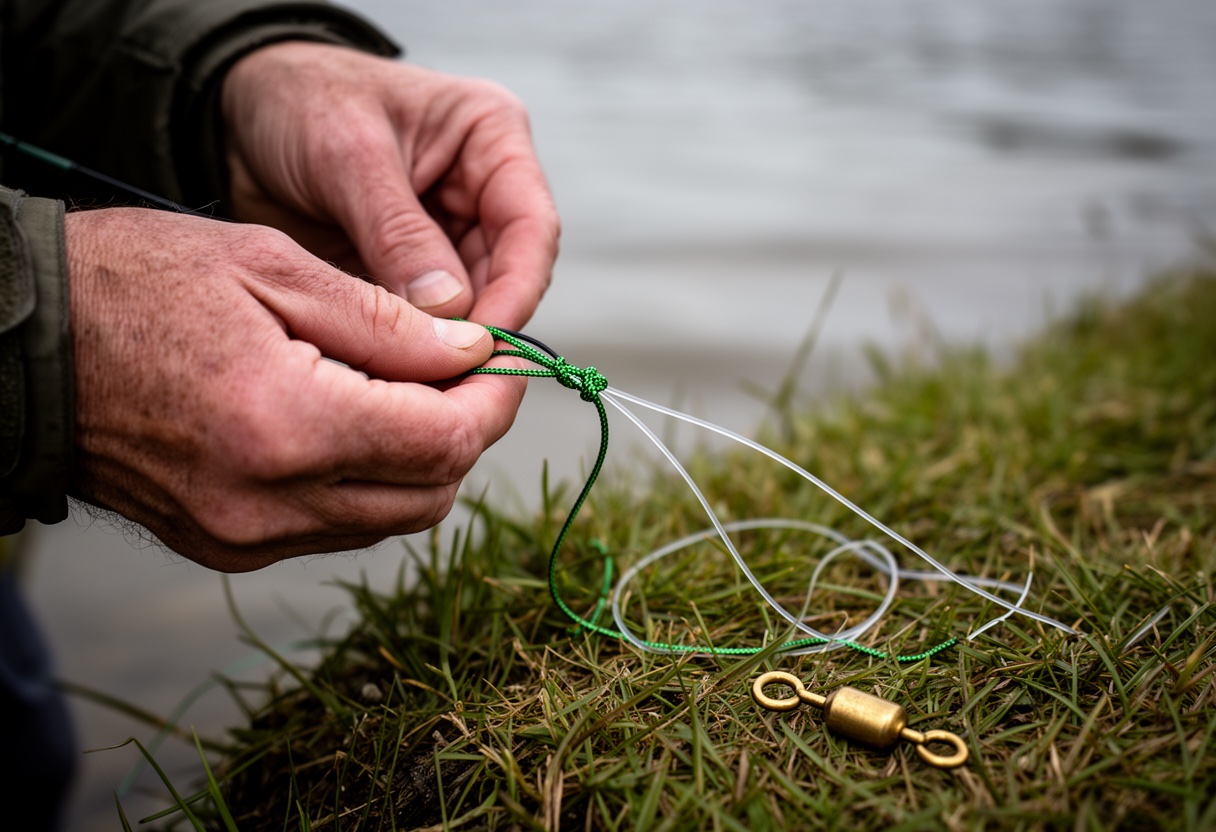
Test your connection by giving it a firm tug. A properly tied knot holds strong and sits flush against the eye. If the wraps look messy or the knot bulges, untie it and try again. Practice on the couch with a spare hook before heading to the water.
Common Leader Mistakes Beginners Make
Even after learning the knot, a few habits cost beginners more fish than poor technique. Watch for these:
Using a leader that matches or is thinner than the main line. The whole point of a leader is to be the sacrificial link. If your leader is the same strength as — or weaker than — your main line, you’ve gained nothing. Always go 2-4 pounds heavier.
Skipping the “moisten the knot” step. Dry knots lose significant strength due to friction heat during tightening. It takes one extra second to spit on the knot, and it preserves most of your line’s breaking strength.
Leaving tag ends too long or too short. A tag end longer than 1/4 inch snags on rod guides and structure. Shorter than 1/8 inch may not hold enough material in the knot and can slip. Aim for about the thickness of a grain of rice.
Using wire leaders in clear water. Wire is necessary for toothy fish, but it’s also extremely visible and can scare line-shy bass or trout. If you’re targeting bass or panfish, stick with fluorocarbon.
Not testing the knot before heading out. Tie a practice leader at home and pull on it. If it holds, you’ll have confidence on the water. If it fails, you’ll know to adjust before you’ve lost a fish.
Forgetting that fluorocarbon is stiffer. Fluoro doesn’t bend as easily as monofilament. If you’re using heavier fluorocarbon (15 lb and above), your wraps need slightly more room and may need an extra wrap or two to grip properly.
Leader Setup Quick Reference
| Species | Leader Material | Strength | Length |
|---|---|---|---|
| Bass | Fluorocarbon | 12-14 lb | 18 inches |
| Crappie / Panfish | Fluorocarbon | 6-8 lb | 12-18 inches |
| Trout | Fluorocarbon or mono | 4-6 lb | 12 inches |
| Catfish | Fluorocarbon | 20-30 lb | 18-24 inches |
| Pike / Muskie | Wire | 20-30 lb | 18-24 inches |
If you’re just starting out and want one leader setup that covers most situations, keep a spool of 10-pound fluorocarbon and an Improved Clinch Knot. That combination handles everything from panfish to small bass, and you can always bump up the strength as you gain confidence.
For more on setting up your gear, see our guide to choosing your first fishing reel and our tackle box starter checklist.