

Why Drag Matters More Than You Think
You’ve felt it — that sudden increase in tension when a fish hooks, then a sharp snap followed by dead weight on your line. The fish is gone. It happens to nearly every beginner, and it usually has nothing to do with bad luck.
The single biggest preventable cause of lost fish is an improperly set drag. Your reel’s drag system is designed to let line slip under controlled pressure when a fish runs harder than your line can hold. When it’s set wrong, that system works against you — either snapping your line or pulling the hook free.
This guide will walk you through setting your drag correctly the first time, every time.
What Is Reel Drag and How Does It Work?
Drag is simply controlled resistance. Inside every fishing reel, a stack of friction washers presses together. When a fish pulls line faster than you’re reeling, the washers slip — letting the line out without breaking. The drag knob adjusts how hard those washers press together.
Not all reels use the same drag system. Here’s how to identify yours:
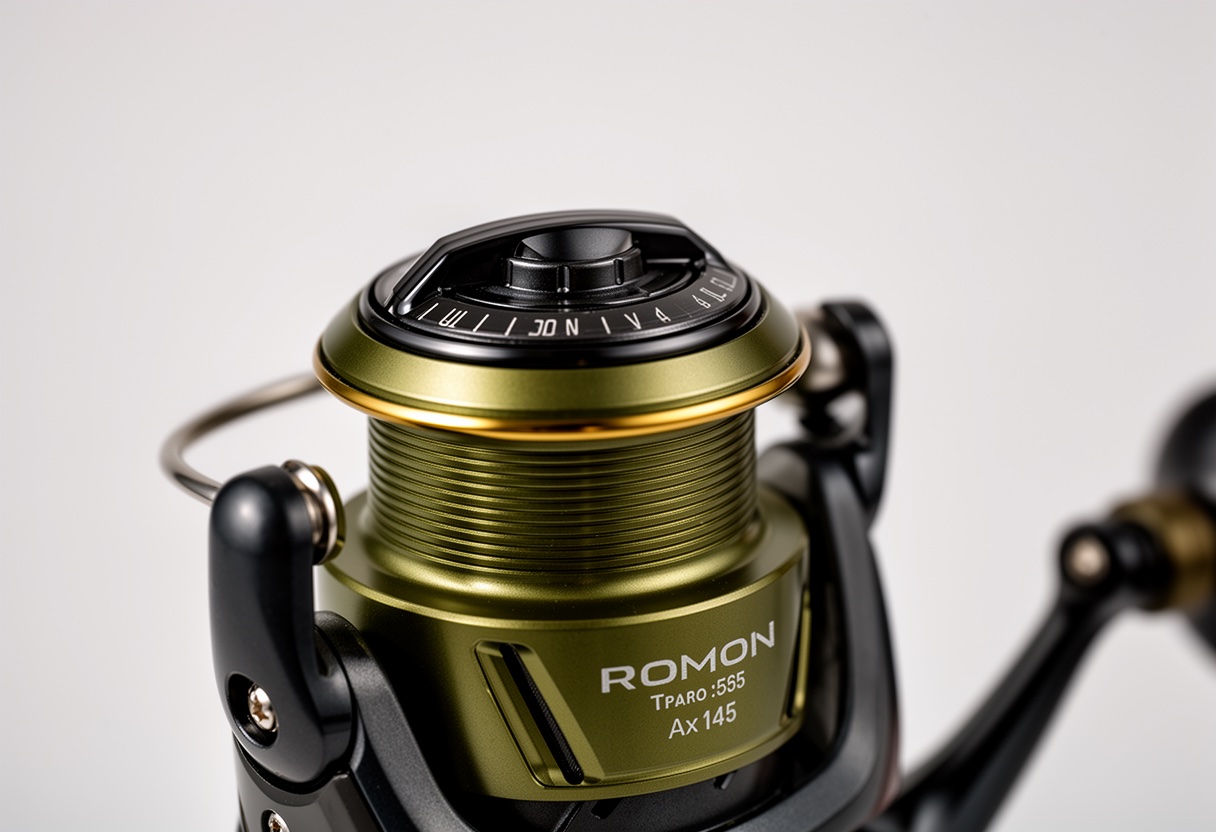
Front drag systems — Found on most spinning reels. The drag adjustment knob is on top of the spool. Turn it to set resistance, then leave it alone during the fight. Front drags are smooth and allow fine adjustments.
Star drag systems — Found on baitcasting reels. A star-shaped wheel sits just below the handle. Turn the star clockwise to tighten, counter-clockwise to loosen. You can make quick mid-fight adjustments by turning the star a few clicks.
Rear drag systems — Some budget spinning reels put the drag knob at the back of the handle. Less precise than front drags, but they work fine for casual freshwater fishing.
Lever drag systems — Mostly found on large offshore saltwater reels. A lever arm adjusts drag instantly. You won’t see these in typical freshwater setups.
The 25% Rule: Your Starting Drag Setting
The universal starting point for drag pressure is 25% of your line’s rated breaking strength. If you’re fishing with 10-pound-test line, set your drag to slip at about 2.5 pounds of pressure. With 12-pound line, aim for 3 pounds.
Here’s why 25% works:
- Knots are weaker than the line itself. Most fishing knots hold only 70–90% of the line’s rated strength. That means a “10-pound line” tied to your hook is really an 7–9-pound connection.
- Line wears down. Sun exposure, rubbing against rocks and structure, and handling all reduce your line’s actual strength below its printed rating.
- Fish make sudden, unpredictable surges. A bass that’s been reeling steadily can double its speed in one burst. The 25% buffer absorbs those spikes without breaking.
Some anglers use up to 33% for light line (under 8 lb), and stick with 25% for heavier line and braid. When in doubt, err on the lighter side. A fish that tires itself out on a slightly loose drag is still a fish you land.
How to Test Your Drag Without a Scale
You don’t need a fishing scale to set your drag — though one helps if you have it. Here are three practical methods that work right on the bank:
The 45-degree pull test. This is the most important technique to get right. Hold your rod at a 45-degree angle (not pointing straight up — pulling straight off the reel adds 20–30% false resistance from guide friction). Pull steadily on the line with one hand while adjusting the drag knob. The drag should slip with firm, consistent pressure — not with a light tug, and not with all the strength in your arm.
The household weight method. A 16-ounce water bottle weighs roughly 1 pound. Hold the bottle by your line at a 45-degree angle and adjust your drag until the reel just starts to slip. For a 2.5-pound drag target, you’d need roughly two and a half bottles’ worth of pull.
The finger feel check. On a properly set spinning reel drag, pulling line with two or three fingers should make the drag slip after a few seconds of steady pressure. If one finger does it, your drag is too loose. If you need a full fist, it’s too tight.

Species-Specific Drag Adjustments
Your starting drag setting is based on line strength, but you should fine-tune it for the fish you’re targeting. Different species fight differently, and their mouths vary in toughness.
Panfish and trout (1.5–2 lb drag). These fish have delicate mouths. A crappie or rainbow trout simply can’t handle heavy pressure — the hook will tear through before the fish tires out. Set your drag light, be patient, and let them run.
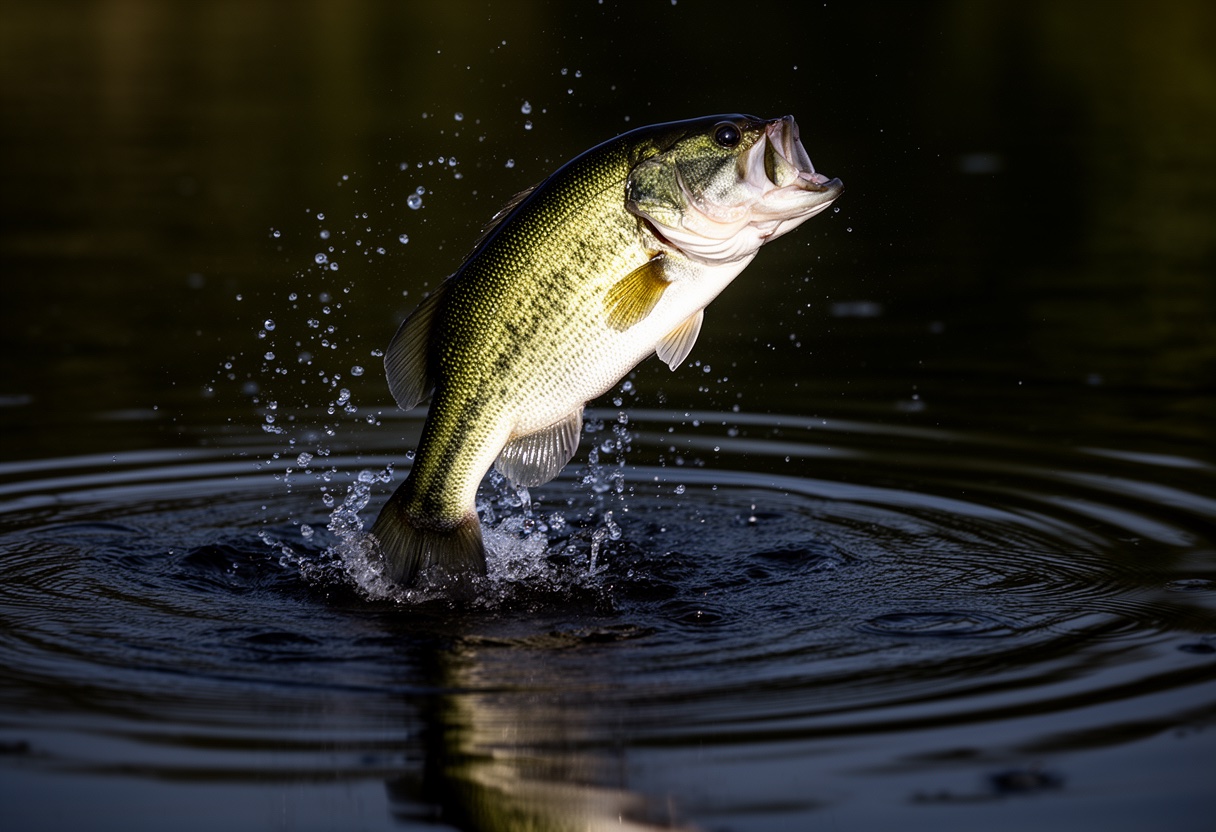
Bass (3–4 lb drag). Largemouth and smallmouth bass are explosive fighters, but their fights are typically short. They sprint hard for 15–30 seconds, then slow down. A tighter drag helps you motor through their bursts without losing the fish.
Catfish and pike (3–5 lb drag). These species combine power with endurance. A big channel catfish or northern pike will pull for minutes. Set your drag medium — tight enough to handle their initial run but loose enough to prevent a break-off during extended fights.
The rule is simple: match drag to the fish, not just the line. If you’re targeting multiple species, set for the most delicate one in the mix.
Common Drag Mistakes That Cost Fish
Setting drag too tight. This is the number one mistake. Many beginners crank their drag as tight as possible, thinking more pressure equals more control. The opposite is true — a tight drag turns every fish run into a coin flip. Let the drag do its job.
Never rechecking your drag. Drag settings change with temperature, humidity, and even vibration from driving to the water. A drag that felt perfect last weekend may be significantly different today. Always test before you cast.
Ignoring rod strength. Your rod has a line rating for a reason. Setting a heavy drag on a light-action rod can bend or break the tip when a fish runs. Your drag should never exceed what your weakest component — typically the rod tip — can handle.
Skipping saltwater maintenance. If you fish in saltwater, salt crystals build up on your drag washers between trips. This makes the drag jerky and unpredictable. Rinse your reel with fresh water after every saltwater outing and check your drag before the next trip.

Mid-Fight Drag Tips
Once the hook is set, your drag should handle most of the work. But there are times when fine-tuning mid-fight makes the difference between a landed fish and a broken line:
Spinning reel finger technique. Lightly rest your index finger on the edge of the spool during critical moments — like when a fish is heading straight for a snag or you’re ready to turn it toward the bank. The finger adds a small amount of extra resistance. Remove it the moment the fish accelerates again.
Baitcasting star adjustments. If you’re on a baitcaster, you can tighten the star drag one or two clicks during sustained runs, then loosen it back when the fish slows. This is one of the few cases where mid-fight drag adjustment is worth the risk of fumbling.
Listen to your reel. A properly functioning drag makes a smooth, steady whirring sound as it lets out line. If you hear grinding, stuttering, or intermittent slipping, your drag washers may need cleaning — or you’re applying too much manual pressure with the rod.
Keep the rod tip up. This isn’t about drag directly, but it affects drag performance. A low rod tip reduces the angle between your line and the water, increasing the effective pressure on the drag. Hold your rod at roughly a 45-degree angle to the water — it keeps the drag working as designed and puts constant, even pressure on the fish.
Setting your drag correctly takes about a minute before each trip. That one minute prevents the most frustrating loss in fishing — watching a good fish disappear because the line couldn’t stretch far enough.
See how to reel in a fish properly