
What Are Soft Plastic Baits?
Walk into any fishing shop and stare at the wall of soft plastic baits, and it’s easy to feel completely overwhelmed. Dozens of colors, shapes, sizes, and package names you’ve never heard of. If you’re new to fishing and wondering which soft plastic baits for beginners are actually worth buying, you’re not alone — let’s sort it out.
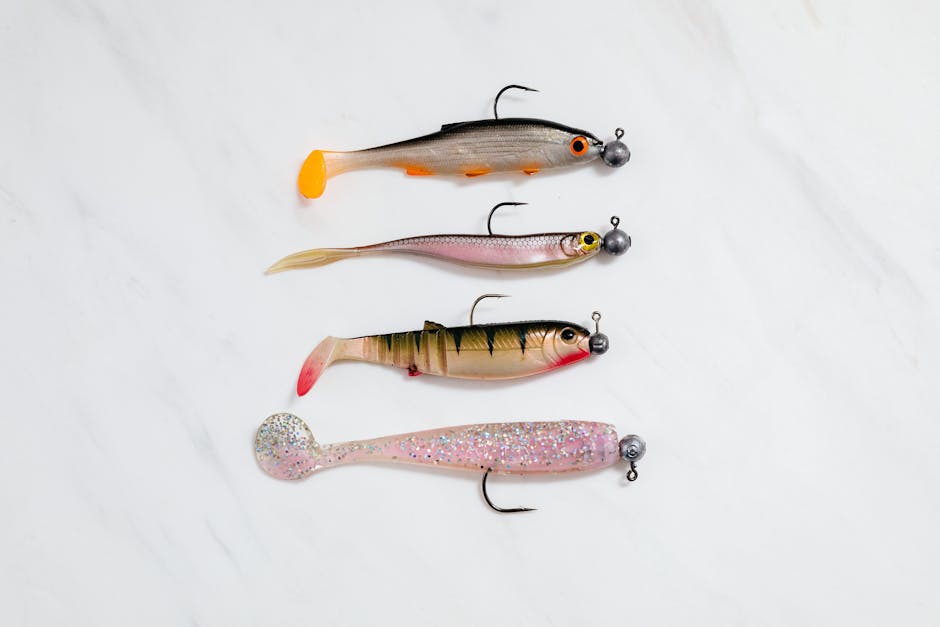
Soft plastic baits are flexible lures made from a pliable vinyl compound. They come in shapes designed to imitate worms, crayfish, baitfish, insects, and more. You slide them onto a hook, cast them out, and retrieve at different speeds to trigger strikes.
They’re the backbone of freshwater fishing for good reason. If you’re learning beginner fishing basics, soft plastics will be your most-used tool on the water. When picking beginner fishing baits, shape versatility beats quantity — a handful of well-chosen soft plastics will outperform a tackle box full of hard lures.
Why Soft Plastics Are Great for Beginners
Soft plastics are forgiving. They’re cheap — a pack of ten runs a few dollars. They’re light and take up minimal space. And when a fish bites a soft plastic, it usually holds on longer than a hard bait, giving you more time to set the hook.
Even if a fish rips one off on cover, a replacement costs pennies. Unlike hard baits that crack on a hard strike, a soft plastic that survives the encounter is good for another cast.
Most importantly, they’re versatile. The same stick bait can be Texas-rigged through heavy cover, wacky-rigged in open water, or mounted on a jig head for a totally different presentation. One lure, multiple techniques.
Soft Plastics vs Hard Baits: Quick Comparison
Hard baits — cranks, jigs, topwater lures — have their place, but soft plastics are easier to learn on. Hard baits cost more, break easier, and usually demand a tighter retrieve. Soft plastics work at almost any speed, in almost any cover, and there’s more room for error when you’re still getting a feel for casting and retrieval.
That said, most anglers end up carrying both. Think of soft plastics as your everyday workhorse and hard baits as your specialty tools.
The Soft Plastic Family: Meet Each Type
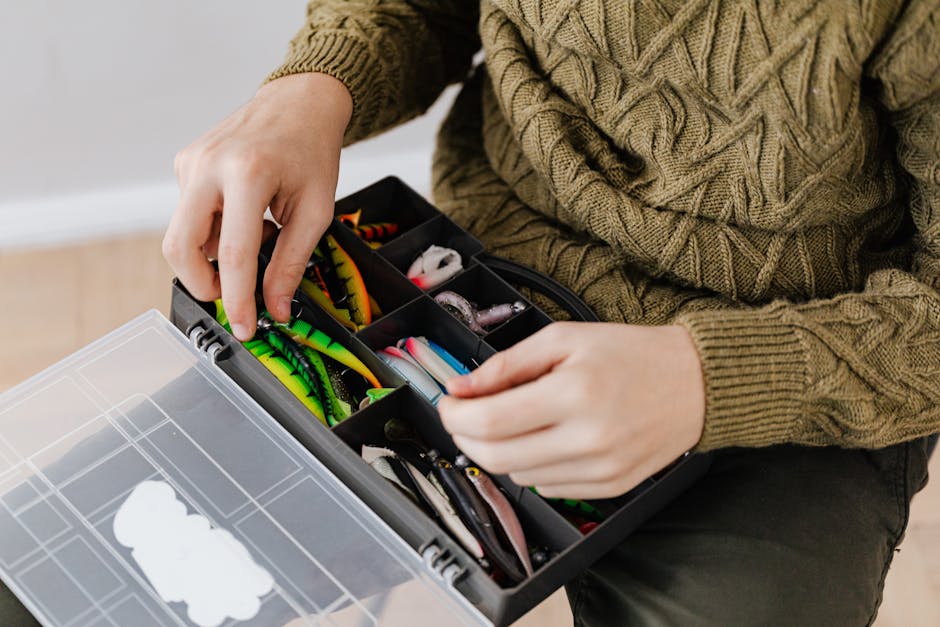
Understanding shape categories keeps you from getting lost in the aisle. Every soft plastic is built to imitate something specific and move a certain way underwater. Here’s the breakdown.
Stick Baits and Senkos
Stick baits are straight, paddle-tail plastics with no legs, fins, or extra appendages. They look simple — and simplicity is exactly what makes them work. The most famous stick bait is the Senko, but dozens of nearly identical designs exist under different brand names.
They imitate small baitfish like shad or minnows. All the action comes from your rod tip: a steady retrieve creates a smooth swimming motion, while twitches and pauses make it look like a dying baitfish.
They work in nearly every condition. Cast them near docks, around structure, or in open water. Fish them fast on a hot morning or deadslow on a cold afternoon. The stick bait covers more situations than almost any other plastic, which is why it’s usually the first one new anglers learn to throw.
Worms: Ribbontail, Curly-Tail, and Finesse
Soft plastic worms look like, well, worms — or at least what a worm might look like underwater. They have a segmented body and a tail that creates vibration and movement as you retrieve.
Ribbontail worms have a flat, ribbon-like tail that undulates smoothly. Subtle action, clear water, wary fish — that’s their sweet spot.
Curly-tail worms have one or two curled tail lobes. The curls create extra vibration, which helps in stained water or when fish are scattered. The added action can trigger reaction strikes, too.
Finesse worms are smaller, thinner versions built for light-line presentations. They work great on drop-shot rigs and when fish are pressured or hugging cover.
Grubs and Trailer Hooks
The soft plastic grub is one of the most versatile shapes you’ll own. Grubs are paddle-shaped plastics that come either pre-molded with an eyelet for direct hook attachment or designed for a trailer hook (which threads through the body). Depending on size and tail design, they imitate small baitfish, leeches, or aquatic insects.
A three-inch paddle-tail grub on a jig head is probably the most common freshwater presentation out there. It covers water fast, runs relatively weedless depending on jig head shape, and triggers strikes through steady vibration.
Grubs also work well for panfish and walleye in smaller sizes, which makes them doubly useful.
Creature Baits and Craws
Creature baits are bulky, multi-limbed plastics built to look like crawling bottom-dwellers. They typically have a paddle tail and several legs or appendages. Craw imitations specifically look like crayfish, with a compact body and pincher-like front legs.
Creature baits work well in heavy cover because those extra appendages trap inside a fish’s mouth on the hookset, increasing your hook-up ratio. That extra body contact means even a soft bite can result in a hooked fish.
Craws are especially productive around rocky structure, riverbeds, and submerged wood — basically anywhere crayfish hang out. Bounce them along the bottom with occasional hops and long pauses.
Swimbaits: Paddle Tail and Fluke
Swimbaits are soft plastics designed to look and move like swimming baitfish. Sizes run from three inches up to fifteen or larger, depending on your target species.
Paddle-tail swimbaits have a broad, rounded tail that produces strong vibration and a wide swimming arc. They’re great for covering water and triggering reaction strikes from bass and other predators.
Fluke-style swimbaits have a narrower body and smaller tail. They produce a subtler, darting action that imitates a fleeing baitfish. Flukes work particularly well weightless or lightly weighted in open water.
For bass anglers learning bass fishing basics, a four-inch paddle-tail swimbait on a jig head is essential. It works from shallow flats to deeper channels and handles nearly any retrieve speed.
Finesse Plastics: Tubes, Kegs, and Drop-Shot Baits
Finesse plastics are built for slower, more methodical presentations. Use them when fish are holding tight, biting lightly, or turning down more aggressive baits.
Tubes look like small squid or nymphs and are fished on tube hooks or weighted tube jigs. They’re productive around grass, docks, and rocky ledges.
Drop-shot baits are short, fat stick baits or curly-tails designed to hang vertically on a drop-shot rig. The bait sits motionless or twitches gently near the bottom, tempting finicky fish.
Keg jigs are short, thick plastics with a paddle tail that sit upright on the bottom. They pulse even with minimal rod movement.
Finesse techniques take a bit more feel, but they’re worth learning once you develop the touch.
Soft Plastic Colors: How to Match Color to Water Clarity

Color is one of the most talked-about topics in soft plastic fishing, and it confuses beginners. Here’s the straightforward version.
Clear Water
When visibility is high, fish can see detailed profiles. Natural, subtle colors tend to work better because they look real. Think watermelon red, green pumpkin, natural brown, or translucent white.
These colors blend into the environment instead of spooking wary fish. A watermelon stick bait in crystal-clear water just looks like another baitfish swimming by.
Stained Water
Stained water has reduced visibility — tea-colored, slightly murky, or tinged with algae. Medium-contrast colors usually perform better here. Junebug (a deep purple-brown), black and blue, or dark green are reliable choices.
These create a stronger silhouette against the background — noticeable without looking artificial.
Bright colors like chartreuse also stand up well in stained water and can trigger strikes when fish aren’t committing to more natural shades.
Muddy Water
In heavily stained or muddy water, go bold. Chartreuse (especially with white or pink flake), white, and bright red stand out against the murk.
The goal is maximum visibility. Fish need to find your bait in low-visibility conditions, and bright colors help them do that.
A Quick Note on Color and Depth
Red light is the first color absorbed as you go deeper. At around ten to fifteen feet, red soft plastics look black to the fish below them. Blue and green light penetrate the deepest, which is why dark blue and green shades stay effective at depth.
Don’t overthink color, though. A well-presented natural-colored bait will beat a bright one fished wrong every time. Presentation and location matter more than color in most situations.
Choosing the Right Soft Plastic Size
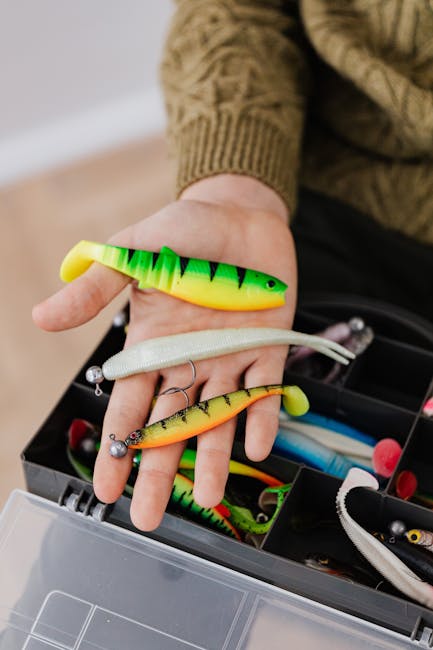
Matching your bait to the forage that’s actually in the water — what anglers call “matching the hatch” — is one of the most reliable ways to increase your catch rate.
Size by Target Species
Panfish (bluegill, crappie, sunfish): One to three-inch baits. Small grubs, minnow imitations, and micro-jigs work great.
Bass: Three to six-inch baits. The widest range, and the right size depends on cover, water clarity, and seasonal behavior.
Catfish: Four to eight-inch baits. Larger worms, cut-plastic imitations, and chunky grubs do the job.
Seasonal Sizing Trends
Season affects bait size because fish feeding habits change throughout the year.
In spring, especially around spawning, fish often target smaller forage. Two to four-inch baits are usually the way to go.
During summer and early fall, when baitfish grow larger and fish feed more aggressively, four to six-inch baits tend to produce better results.
In winter, when metabolism slows, smaller baits presented slowly are typically more effective.
When in doubt, start with a four-inch plastic. It’s a solid middle ground that works across most species and conditions.
Basic Rigging Methods: Texas Rig, Wacky Rig, and More
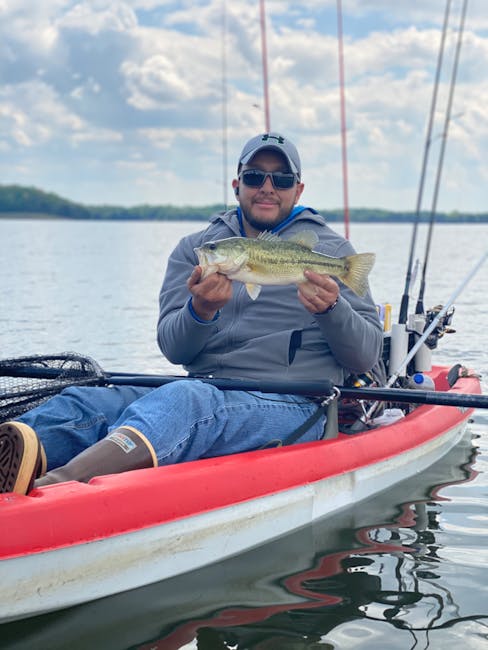
Rigging is how you mount a soft plastic on a hook. The rig determines how your bait moves, how weedless it is, and what kind of fish you’ll attract. Here are four fundamentals every beginner should learn.
For tying everything together securely, knowing essential fishing knots is just as important as knowing which bait to use.
The Texas Rig: Most Versatile Setup
The Texas rig is the most popular soft plastic presentation for good reason. It’s nearly weedless, works at any depth, and handles almost any soft plastic shape.
Thread a worm hook through the nose of the plastic, pull the point out the same side, then push the hook point back into the body so the tip is buried. The hook sits flush against the bait, and the plastic slides freely on the shank.
Add a bullet weight on the line above the hook, and you’re set. Cast it out, let it sink, then retrieve with a series of twitches and pauses. The Texas rig works through grass, around rocks, along docks — basically anywhere you can throw.
The Wacky Rig: Simple and Deadly
The wacky rig is dead simple: thread a wacky hook (or any small offset hook) through the center of a stick bait so it hangs vertically. That’s it.
The vertical presentation gives the bait a unique fluttering, falling action as it sinks and as you lift and drop it with your rod tip. It’s surprisingly effective, especially on bass. The bait stays in the strike zone longer because it sinks slowly with that fluttering descent.
The wacky rig works best with stick baits in the three to five-inch range. Add a small nail weight or tungsten weight into the plastic near the hook point if you need extra depth control.
Jig Head Mounts: For Grubs, Craws, and Swimbaits
Jig heads are weighted hooks with the weight built right into the head. You thread or slide a soft plastic onto the hook shaft, and it’s held in place by the hook’s eye or a rubber keeper on the shank.
Different jig head shapes are built for different plastics:
-
Football jig heads have a rounded, football-shaped head that pushes through vegetation and rolls along the bottom. Pair them with creature baits or stick baits.
-
Craw jig heads have a wider gap and a more defined curve, designed for craw-style plastics.
-
Swimbait jig heads are slimmer and built to let paddle-tail swimbaits move naturally in the water.
Jig head presentations are fast, efficient, and excellent for covering water.
Drop-Shot and Finesse Rigs
The drop-shot rig suspends a small soft plastic near the bottom while the line stays taut from the surface. The hook is tied to the end of the line, the plastic is threaded through the eye of the hook (so it sits above the hook point), and a weight is tied below the hook.
This keeps the bait in the strike zone indefinitely — it doesn’t sink to the bottom or drift away. It’s particularly effective in deeper water, along ledges, and when fish are hugging structure.
Drop-shotting takes practice, but once you get the rhythm of subtle twitches and long pauses, it becomes one of your most reliable techniques.
Hook Selection Basics

Using the right hook for your plastic makes the difference between a hooked fish and a lost one. Here’s how to match hook to plastic.
Worm Hooks (Offset, Wide Gap)
Worm hooks have an offset point — the tip bends slightly away from the shank — which helps set the hook through the soft plastic body. They come in sizes matched to plastic length.
For two to three-inch plastics, use size 4 to 6 worm hooks. For three to four-inch plastics, size 2 to 3/0 is typical. Five to seven-inch plastics call for 3/0 to 5/0.
Wide-gap worm hooks have an even wider space between point and shank, which helps when fishing thick-bodied plastics like ribbontail worms and creature baits.
Jig Heads
Jig head weight is driven by depth and conditions. In two to four feet of water, a 1/8 to 1/4-ounce jig head works fine. In four to eight feet, move up to 3/8 to 1/2 ounce. For deeper water or stronger current, 3/8 to 5/8 ounce or heavier gets the bait to the right depth.
Football heads are the most versatile all-around choice. Craw heads and swimbait heads are shape-specific — pick them based on the plastic you’re mounting.
Specialized Hooks
Drop-shot hooks are straight-shanked with an offset point and wide gap. Sizes 2 to 4 are most common for bass fishing.
Tube hooks have a bent shank and a built-in weight or eyelet for adding weight. They’re designed specifically for tube-style plastics.
Wacky hooks are small, straight or slightly offset hooks with a wide gap. They thread easily through the center of stick baits.
When you’re assembling your beginner fishing gear, stocking a range of hook sizes that match your plastic sizes is worth the investment.
Weighted vs Weightless: When to Add Weight
Knowing whether to add weight to your soft plastic is one of those practical decisions that separates struggling anglers from consistent ones.
When to Fish Weighted
Add weight when you need to get the bait down quickly, hold bottom in current, or push through heavy cover. A bullet weight on a Texas rig or a jig head carrying a swimbait are both weighted presentations.
Deep water calls for more weight. Current calls for more weight. Dense vegetation calls for more weight. The rule of thumb: use the heaviest weight that still lets the bait move naturally.
Traditional lead weights and lead jig heads are common, but lead-free alternatives like tungsten and steel weights are widely available and perform well. Tungsten, in particular, transfers vibration more efficiently and sinks faster than lead at the same weight.
When to Fish Weightless
Weightless presentations are slower, more natural, and often more effective on finicky fish. A weightless worm drifting through shallow grass or a weightless wacky rig falling through the strike zone can produce catches that weighted presentations miss.
Weightless fishing tends to work best in shallow water, light cover, and warm conditions when fish are actively moving through the water column.
A Beginner’s Soft Plastic Starter Kit
You don’t need a hundred different baits to start catching fish. Here’s a five-plastic starter kit that covers roughly ninety percent of freshwater fishing situations. Pick up a pack for each of these shapes and you’ll be ready for almost anything.
1. 4.5-inch Ribbontail Stick Bait in Watermelon — Your do-it-all plastic. Texas-rig it for cover fishing, wacky-rig it for open water, or mount it on a jig head for a fast retrieve. Watermelon is a natural color that works in clear and moderately stained water.
2. 3-inch Paddle-Tail Grub in Black and Blue — Mount this on a 1/4-ounce football jig head and you’ve got one of the most productive presentations for bass and panfish. Black and blue creates a strong silhouette across a wide range of water conditions.
3. 4-inch Creature Bait in Watermelon Red Flake — Pair with a 3/8-ounce football jig head for heavy cover, brush piles, and rocky structure. The creature bait’s multiple legs increase your hook-up ratio when fish are biting lightly or hiding deep in cover.
4. 3-inch Curly-Tail Grub in Junebug — Mount on a 3/16-ounce finesse jig head for a versatile mid-depth presentation. Junebug works well in stained and slightly murky water, and the curly tail’s extra vibration helps trigger reaction strikes.
5. 5-inch Worm in Green Pumpkin — Texas-rig this for a classic bottom-bouncing presentation. Green pumpkin blends in with vegetation and natural debris, making it an excellent choice around grass, lily pads, and fallen timber.
This selection covers stick baits, worms, grubs, and creature baits — the four most important soft plastic categories — in colors that span the full water-clarity spectrum. From here, expand based on what works in your local waters. Good bass bait selection starts with a solid foundation like this.
Tips for Taking Care of Your Soft Plastics
Soft plastics are reusable, and basic care stretches their lifespan significantly.
Pull the hook before the plastic tears. When you hook a fish that doesn’t come in, the plastic often gets shredded on cover on the way back. If you can pull the hook out before the bait rips, you might salvage it. Keep pliers handy and practice removing hooks quickly.
Store them properly. Keep soft plastics in a tackle storage box with compartments, and don’t pack them in too tightly. Heat and sunlight degrade the vinyl over time, so store your tackle box in a cool, dry place.
Stretch and reshape. If a soft plastic gets beaten up, you can sometimes stretch it back into shape by gently pulling. A quick dip in hot water also helps reshape a bent or misshapen lure.
Mix in scents sparingly. Scent additives can attract fish in some conditions, but they wash out quickly and aren’t necessary for most situations. Use them selectively, not as a default.
Check for cracks and stiffness. Old soft plastics become brittle and crack. If your baits are crumbling or losing flexibility, it’s time to replace them.
Soft Plastic Baits for Beginners: Frequently Asked Questions
What Is the Most Versatile Soft Plastic for Beginners?
A 4.5-inch stick bait. It can be Texas-rigged, wacky-rigged, or mounted on a jig head, and it works across nearly all water conditions and depths. Start with watermelon or green pumpkin, and you have a single lure that covers an enormous range of situations.
Do Soft Plastics Expire?
Not technically, but they do degrade. Exposure to heat, sunlight, and air causes the vinyl to dry out, become brittle, and eventually crack. Properly stored in a cool, dark tackle box, soft plastics can last a season or two. Left in a hot car or direct sun, they can harden in a few months.
Can You Reuse Soft Plastic Baits?
Yes, they’re designed to be reused. The trick is removing the hook before the plastic tears or gets shredded on cover. If you can pull the hook free and the plastic is still intact, rinse it off and use it again. Some anglers get a dozen or more uses out of a single bait.
What Color Soft Plastic Should I Start With?
If you’re buying just one color, start with watermelon red or green pumpkin. Both are natural shades that work in clear to moderately stained water, which covers most conditions most anglers encounter. If you want a second color, add black and blue for stained or murky water.
Should I Use a Texas Rig or Wacky Rig?
Both are great, and the choice depends on the situation. Use a Texas rig for weedless presentations in heavy cover, deeper water, or bottom-hugging retrieves. Use a wacky rig for open-water presentations, slow vertical falls, and when fish are suspended or near structure. Learning both makes you a much more adaptable angler.
Soft plastic baits might look intimidating at first, but once you understand the shape categories, rigging methods, and basic selection principles, they become one of the most intuitive and rewarding tools in your tackle box. Start with the starter kit above, practice the fundamental rigs on a calm afternoon, and let experience on the water teach you which combinations work best where you fish. Your first catch on a soft plastic usually comes faster than you expect.