
Walk into a tackle shop — or open an app — and you’re immediately faced with a choice. Three main types of fishing line, dozens of colors, a range of test weights, and every angler has a strong opinion about which is best.
There isn’t one. Monofilament, fluorocarbon, and braided line each do certain things well and fall short in others. The right pick depends on what you’re fishing for, where you’re fishing, and what your reel can handle.
This guide breaks down monofilament vs fluorocarbon vs braid in practical terms so you can pick the right spool with confidence.
What Are the Three Main Types of Fishing Line?
Before comparing them, it helps to know what each one actually is.
What Is Monofilament Line?
Monofilament, or “mono,” is a single strand of nylon. It’s been the standard since the 1950s for good reason — it’s cheap, forgiving, and simple to use.
If you’ve fished before, you’ve almost certainly used mono. It comes in a range of colors, with green and clear being the most common. Most pre-spooled reels at the store use monofilament.
What Is Fluorocarbon Line?
Fluorocarbon is also a single strand, but it’s made from a different polymer — polyvinylidene fluoride, or PVDF. You don’t need to remember the chemistry. What matters is how it behaves in the water.
Fluorocarbon is denser than water, so it sinks. It’s also much less visible underwater than monofilament because its refractive index is close to that of water. That doesn’t make it invisible — thicker test weights are still noticeable — but it’s significantly harder for fish to spot, especially in clear conditions.
It costs more than mono, typically two to three times the price per yard, which is why many anglers use it as a leader instead of spooling an entire reel.
What Is Braided Line?
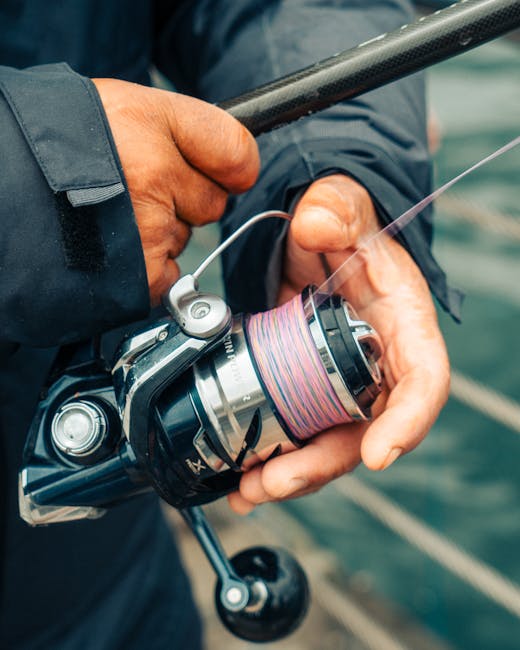
Braided line, or “braid,” is made from multiple strands of ultra-high-molecular-weight polyethylene — materials like Spectra or Dynema — woven or compressed together. It looks nothing like mono or fluorocarbon. It’s multi-colored, round in cross-section, and feels smooth, almost like dental floss.
Braid is known for two things: incredible strength for its diameter, and very low stretch. A 10-pound braid is noticeably thinner than 10-pound monofilament, which means you can fit more line on a reel and cast farther with less friction through your rod guides.
Braid isn’t truly “zero stretch,” though. It has very low stretch — typically 1 to 3 percent — but there’s always some elongation, especially at the knot.
How Fishing Lines Compare: The Key Differences
These are the properties that actually matter when you’re on the water.
Stretch and Sensitivity
Monofilament stretches the most — typically 20 to 30 percent under load. That stretch works as a shock absorber, which helps when hooking fish on light tackle or fighting hard topwater strikes. The downside is reduced sensitivity: subtle bites can slip by unnoticed, and some of your hookset energy gets absorbed by the line itself.
Fluorocarbon has moderate stretch — roughly 15 to 20 percent — giving you more sensitivity than mono while keeping some cushion.
Braid has very low stretch — typically 1 to 3 percent. You feel everything: a fish bumping your lure through cover, the bottom texture under a jig, the exact moment your bait hits structure. Hooksets are immediate. The tradeoff is that there’s no shock absorption, so a hard yank can tear a fish’s mouth or snap the line on sudden runs.
Visibility Underwater
Monofilament is the most visible line underwater and stands out in clear conditions. In stained or muddy water, it matters much less.
Fluorocarbon is nearly invisible. Its refractive index is close to that of water, so light passes through with minimal reflection. This matters most when fishing clear water or targeting fish that have been caught before and are line-shy.
Braid is highly visible underwater. The bright colors make it easy for you to track your lure from the bank, but fish can see it too. That’s why many anglers add a fluorocarbon leader — you get braid’s sensitivity with fluoro’s near-invisibility right where the fish is.
Abrasion, Memory, and Buoyancy
Fluorocarbon generally has excellent abrasion resistance against rocks and structure. Braid varies by construction — modern compressed braids have improved significantly over older woven types. Monofilament has moderate abrasion resistance and can wear down faster against sharp surfaces.
“Memory” is a line’s tendency to hold the coiled shape it came off the spool in. Mono has the highest memory, especially in heavier tests and warm weather. Fluorocarbon is moderate. Braid has virtually none — it casts cleanly without coils or kinks.
Mono generally floats, which helps with topwater presentations. Fluorocarbon sinks, which is useful for bottom fishing. Most braid floats as well.
On cost, monofilament is the most affordable — typically $15 to $30 per 150-yard spool. Fluorocarbon runs two to three times more per yard, around $25 to $50 for 100 to 150 yards. Braid falls in the middle — spools seem pricey at $20 to $40 but usually hold 300 or more yards, making the per-yard cost competitive.
When to Use Monofilament
Mono isn’t outdated. It still excels in specific situations.
Topwater and floating presentations. Because mono floats, it keeps poppers, walkers, and frogs on the surface where they need to be. A sinking line can drag a topwater lure under.
Bank fishing and line tracking. Bright-colored mono — orange, pink, yellow — makes it easy to see your line tip in the water. That helps you track your lure, spot strikes visually, and avoid tangles when fishing near shore.
When stretch is helpful. Mono’s stretch acts as a shock absorber when fishing light lures that deliver hard, sudden strikes — like small crankbaits — and it protects light tackle from unexpected loads.
Just getting started. Mono is forgiving, easy to tie knots with, inexpensive, and works on both spinning and baitcasting reels. If you’re getting started with fishing, spooling a reel with 8-pound mono is a solid first step.
When to Use Fluorocarbon
Fluorocarbon works best when line visibility and bottom performance matter.
Clear water fishing. When the water is crystal clear and fish are easy to spook, fluorocarbon is the way to go. The reduced visibility gives you a better shot at a natural presentation, especially when fish are holding shallow or are line-shy from being caught before. This matters more during warmer seasonal conditions when fish move shallow and water clarity improves.
Finesse and bottom presentations. Techniques like drop shots, ned rigs, and tube jigs rely on keeping bait near or on the bottom. Fluorocarbon’s sinking nature gets your bait down faster and keeps it there.
As a leader. A leader is a section of line — typically 18 to 24 inches — tied to the end of your main line. Using fluorocarbon as a leader behind braided main line is one of the most popular setups among experienced anglers. It combines braid’s sensitivity with fluoro’s near-invisibility right where the fish is. The Palomar knot works well for connecting leader to lure and is one of the easiest knots for beginners to learn.
When to Use Braided Line
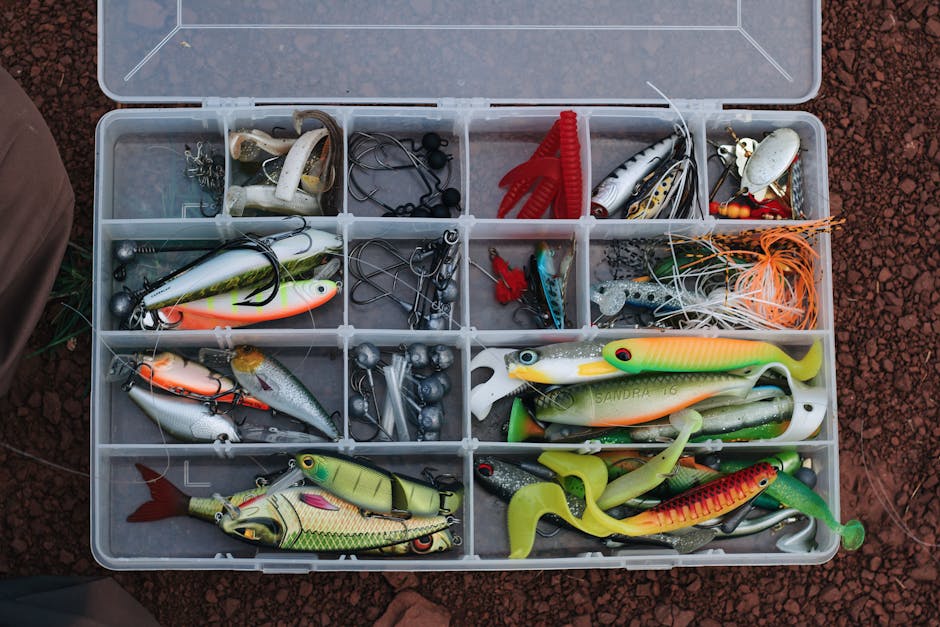
Braid is the power tool in your line options.
Fishing heavy cover. When throwing jigs around submerged timber, pitching frogs into lily pads, or punching through thick vegetation, braid is the line to use. The combination of high strength, thin diameter, and low stretch lets you set the hook hard and pull fish out of cover where other lines might fail. Understanding bass fishing basics will help you pick the right line weight for heavy cover situations.
When sensitivity matters most. Braid sends every tap and vibration from your lure straight to your fingers. This is especially useful when fishing slow baits like jigs or swimbaits along the bottom — you can feel the difference between a rock, a weed bed, and a fish.
The braid plus leader combo. Many anglers use braid as their main line with a fluorocarbon leader. A typical setup: 10 to 14-pound braid with a 10 to 14-pound fluoro leader about 2 to 3 feet long. This gives you casting distance and sensitivity while keeping a nearly invisible section of line near the lure. The tradeoff is an extra knot, but swapping leaders quickly becomes routine.
What Line Weight Should Beginners Use?

The “pound test” number on a line spool tells you the approximate weight the line can hold before breaking. Choosing the right test weight matters just as much as choosing the right line type.
For Spinning Reels
Most beginner spinning reels are paired with light to medium-power rods and work best with lighter line:
-
Monofilament: 6 to 10 lb test. Eight pound is a solid all-around starting point.
-
Fluorocarbon: 6 to 10 lb test. Same range as mono but more expensive.
-
Braid: 10 to 14 lb test with a 10 to 14 lb fluorocarbon leader. Braid is thinner, so you can run a slightly higher test without losing casting distance.
When choosing your first fishing reel, most pre-spooled combos come with monofilament in the right weight range for the reel.
For Baitcasting Reels
Baitcasting reels typically handle heavier line and are commonly paired with braid:
-
Monofilament: 8 to 12 lb test
-
Fluorocarbon: 10 to 14 lb test
-
Braid: 15 to 30 lb test. Braid’s thin diameter lets you run higher test weights on casting reels without filling the spool quickly.
A Note on Going Too Heavy or Too Light
Using line that’s too heavy for your reel and rod reduces casting distance, can scare fish in clear water, and may even damage light tackle. Using line that’s too light means you’ll lose fish when they run into cover or make hard runs. The ranges above are starting points — adjust based on your fishing conditions and the species you’re targeting.
Common Fishing Line Mistakes to Avoid
Even experienced anglers make these mistakes. If you’re new to fishing, knowing about them saves time, money, and frustration.
-
Not changing line regularly. Fishing line degrades over time, especially from UV exposure and contact with water. Monofilament exposed to sunlight can lose 20 to 40 percent of its rated strength. A good rule of thumb is to change your line at least once per fishing season, or sooner if it looks faded, feels rough, or has been in saltwater.
-
Using the wrong line for the conditions. Throwing highly visible green braid into crystal-clear water without a leader is like fishing with a neon sign. Match your line to the water clarity and fish behavior.
-
Ignoring line condition. Check your line regularly. Run it between your fingers — if it feels rough, nicked, or brittle, replace it. Faded color is another sign of UV damage.
-
Overfilling or underfilling the reel. Too much line causes spool overlap and tangles. Too little line reduces casting distance and puts extra strain on your drag system. Fill the spool to about 1/8 inch from the rim.
-
Not understanding that stretch affects hooksets. If you switch from monofilament to braid, hooksets will feel different. Braid needs a softer, more controlled hookset because there’s no stretch to absorb the energy. Mono lets you swing harder.
These are just a few of the common beginner mistakes that cost anglers fish. Paying attention to your line is one of the easiest ways to improve your catch rate.
Quick Decision Guide
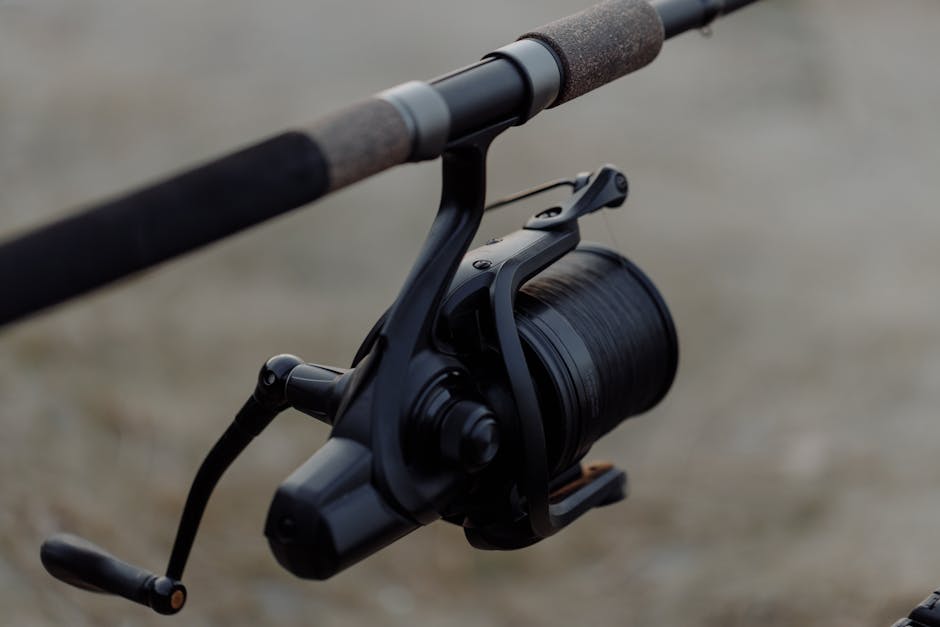
Still not sure which line to pick? Here’s a simple framework:
-
Fishing clear water? Go with fluorocarbon, or braid with a fluorocarbon leader.
-
Fishing heavy cover or structure? Braid is your best bet.
-
Fishing topwater lures? Monofilament keeps your lure on the surface.
-
Just starting out? Monofilament in 8-pound test on a spinning reel. It’s forgiving, inexpensive, and works in most situations while you learn.
-
Want one line that does everything decently? Fluorocarbon in 8 to 10 lb test. It’s a compromise that performs respectably across conditions, though it costs more.
-
Fishing from a kayak with small reels? Braid. The thin diameter means more line capacity, which matters when your reel spool is small.
There’s no wrong choice here — just tradeoffs. Many anglers end up with multiple reels spooled with different lines for different situations, and that’s perfectly normal.
Frequently Asked Questions
What is the best fishing line for beginners?
Monofilament in 8 to 10 pound test. It’s forgiving, inexpensive, easy to tie knots with, and works on both spinning and baitcasting reels.
Is fluorocarbon really invisible underwater?
Nearly, but not completely. Its refractive index is close to water’s, making it much harder for fish to see than mono or braid. Thicker test weights (14+ lb) are still noticeable in very clear water.
Does braided line have zero stretch?
No. Braid has very low stretch — typically 1 to 3 percent — but not zero. There’s always some elongation, especially at the knot. The “zero stretch” claim is marketing language.
Do I need a leader when using braided line?
In clear water or with wary fish, yes — a fluorocarbon leader is highly recommended. In murky water or heavy cover, many anglers fish braid directly to the lure. An 18 to 24 inch fluoro leader is a good default.
How often should I change my fishing line?
At least once per fishing season. Change sooner if the line looks faded, feels rough, or you fish frequently. UV exposure and water contact degrade line strength over time.
What to Do Next
If you’re buying your first spool or rethinking what’s on your reel, use the decision guide above and match your line to the conditions you fish most often. You don’t need to own every type of line to be a successful angler — you just need the right one for your situation.
And if you’re still figuring out your setup, take a look at choosing fishing gear for beginners to make sure your rod, reel, and line all work well together.