
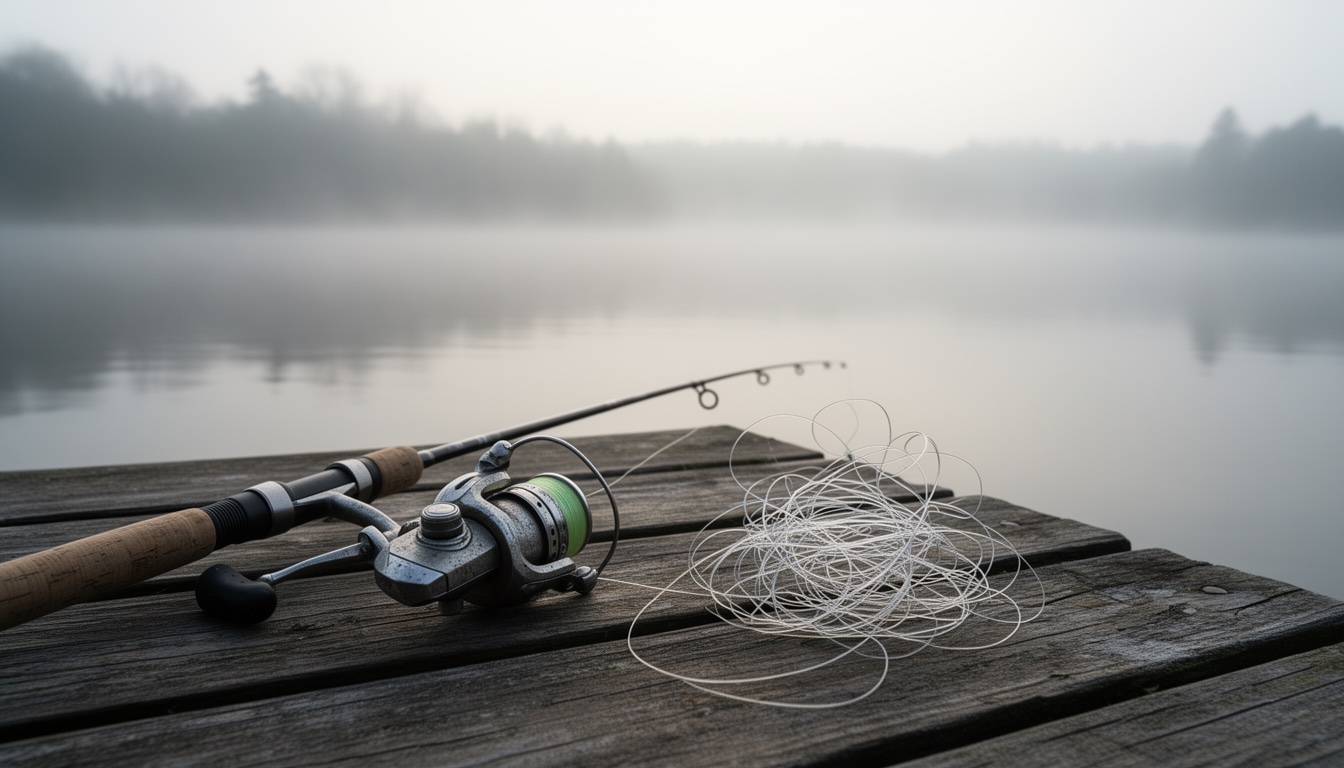
You cast out, feel the line leave the reel, and then — resistance. The line hasn’t reached your lure. Instead, it’s bunched up into a tangled mess at the base of the spool. You pull and it gets tighter. You’re standing on a bank, frustrated, and every second you spend fighting the tangle is a second you’re not fishing.
This happens to every beginner. Some tangles are easy to fix. Others should just be cut. The key is knowing which is which — and how to stop them from happening again.
What Kind of Tangle Do You Have?
Not all tangles are the same, and the fix depends on what you’re dealing with. There are three main types you’ll run into:
Line knots. These look like a literal knot tied in your fishing line. They happen when line loops back on itself and tightens — usually from an overfilled reel, a bad spooling job, or line that has “memory” (more on that below). The line forms a small, tight knot that you can see.
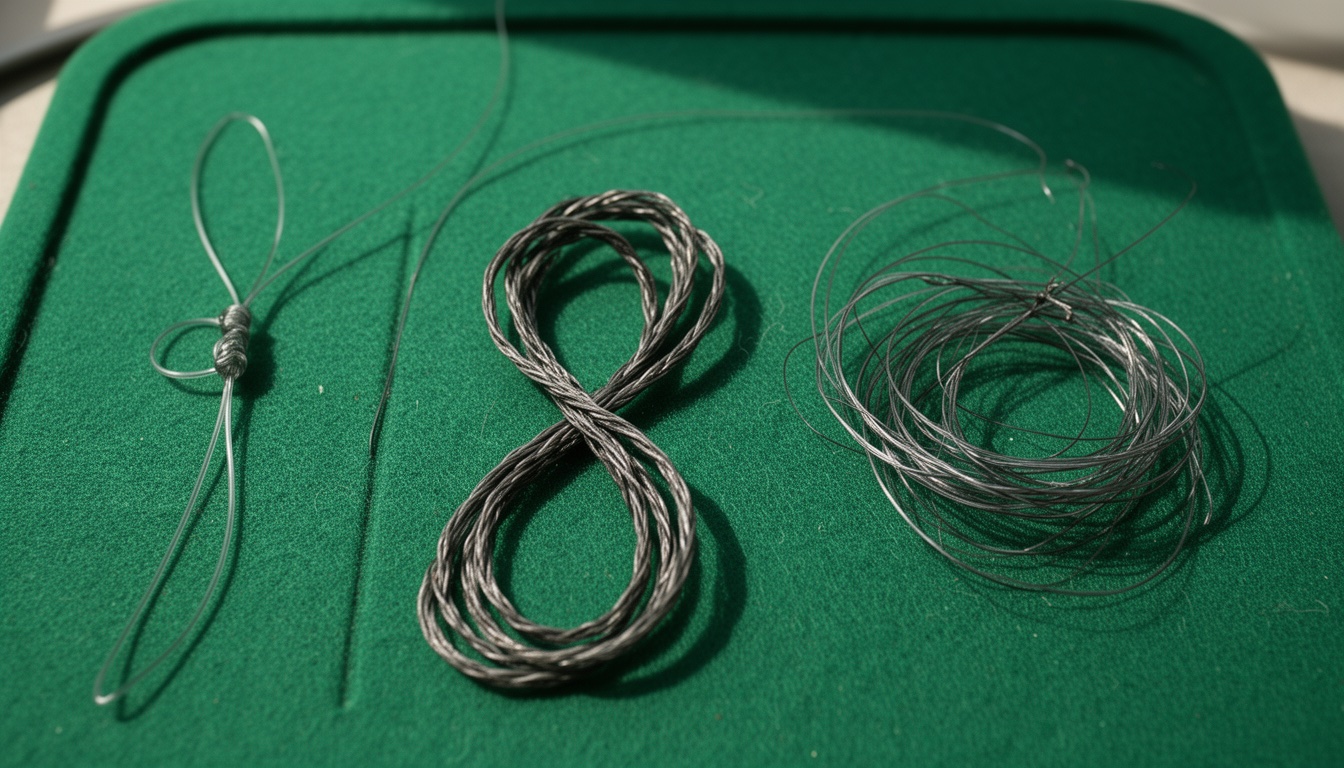
Line twists. Your line looks like an old phone cord — coiled into tight spirals that stack on each other. This is common with spinning reels and happens when your lure spins during the retrieve, or when the reel’s automatic bail mechanism adds twists with each cast. Twists build up slowly over the course of a fishing trip.
Backlash (bird’s nest). This is a baitcaster-only problem. The spool keeps spinning after your lure has stopped mid-cast, and excess line wraps around the spool in a ball. It looks like a bird built a nest out of your line. Backlash is the most dramatic tangle, but it’s also the most preventable.
If you can identify which one you have, the rest gets easier.
How to Untangle Line Knots
For a simple knot in your line, you have two options: work it apart, or cut it.
Working it apart works best with monofilament line. Monofilament is relatively soft and stretchy, which means the knot can be loosened. Hold the line on both sides of the knot with your fingers. Gently stretch the line — don’t yank, just steady tension. Use a small tool like a split ring remover, a needle, or even a safety pin to lift one loop at a time. Start from the outside of the knot and work inward. If the knot loosens, continue picking loops until it unravels completely.
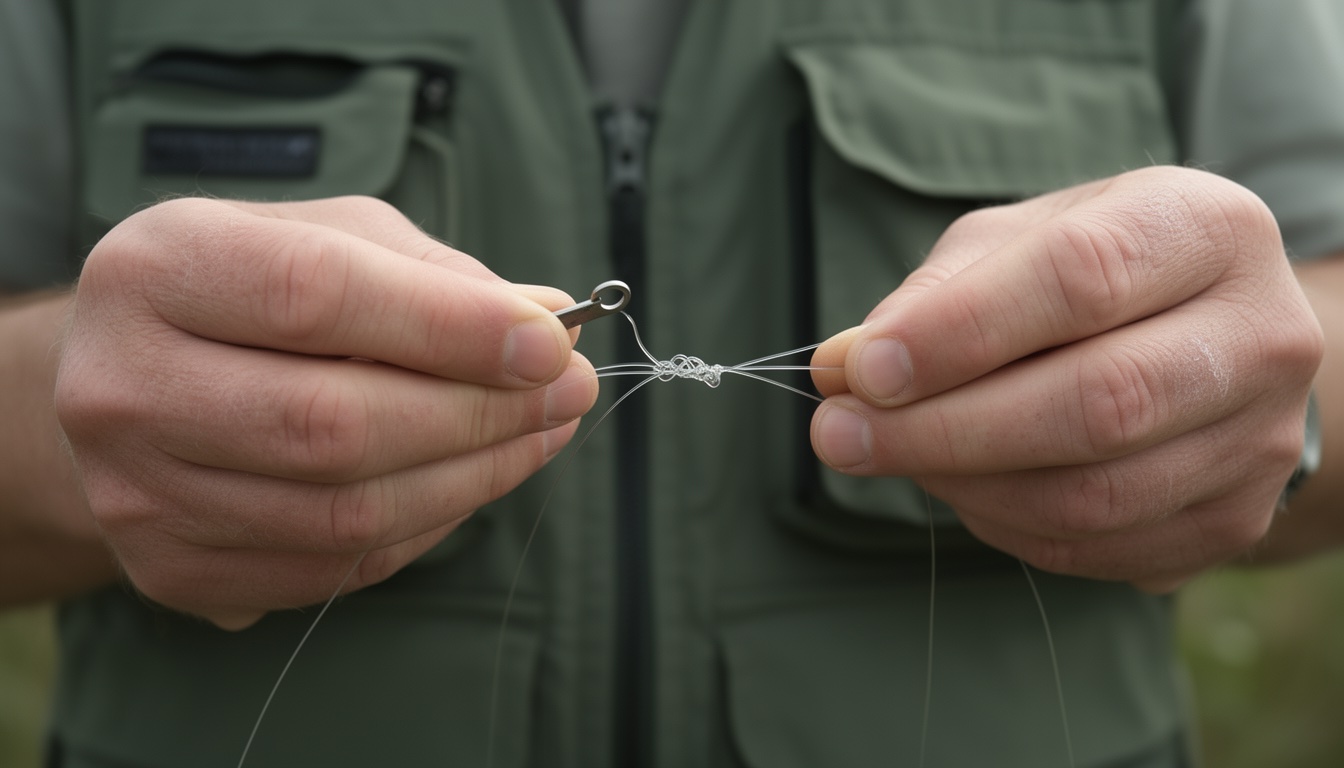
Cutting the knot is the faster option, and it’s the right call for braided line. Braid has no stretch, so knots in braid are rock-hard and nearly impossible to undo. If you’re fighting a braid knot, cut the line a few feet above it, dispose of the knot, and retie to your lure or leader. You’ve lost a few feet of line, but you’ve gained 20 minutes of your life back.
For both line types, here’s the rule of thumb: if you can’t loosen the knot in 60 seconds, cut it. There’s no pride in untangling a stubborn knot on the bank.
How to Fix Line Twists on a Spinning Reel
Line twist is the most common tangle on spinning reels, and it builds up gradually. By the time you notice it, your casts are shorter, the line is looped, and it’s starting to knot itself.
The wet towel method is the quickest fix. Find a clean cloth or towel and wet it. About two feet above your reel, pinch the line between the cloth and your fingers. This creates friction on the line above the reel. Start reeling — the twists will pull up through your fingers and disappear into the cloth instead of winding onto the spool. You’ll feel the line straighten out as the twists are absorbed. This typically takes 30-60 seconds.
Preventing future twists matters more than fixing them. Here are the biggest causes and their fixes:
- Auto-trip bail: Most spinning reels have an automatic trip that closes the bail when you start reeling. This mechanism adds a fraction of a twist with every cast. Get in the habit of manually flipping the bail back after each cast instead. It takes one extra second and eliminates a major source of twist.
- Lure rotation: Some lures naturally spin as you retrieve them — spinnerbaits, inline spinners, and even slightly crooked soft plastics. Add a small swivel between your line and the lure. The swivel rotates freely, so the lure’s spin doesn’t travel up the line. See our guide to essential fishing knots for beginners for how to add swivels properly.
- Wrong spool direction: When you spool a new line onto a spinning reel, the direction the line comes off the spool matters. Hold the reel above the manufacturer’s spool and turn the handle. If the bail and the spool turn in the same direction, you have the right orientation. If they turn opposite, flip the spool over and try again. Mismatched spool direction is the number-one cause of persistent line twist.
If you’re on a boat and have time, there’s another option: unclip your lure and drag the empty line slowly behind the boat for a few minutes. The water resistance gently untwists the line. It sounds odd, but it works.
How to Fix a Bird’s Nest (Backlash on a Baitcaster)
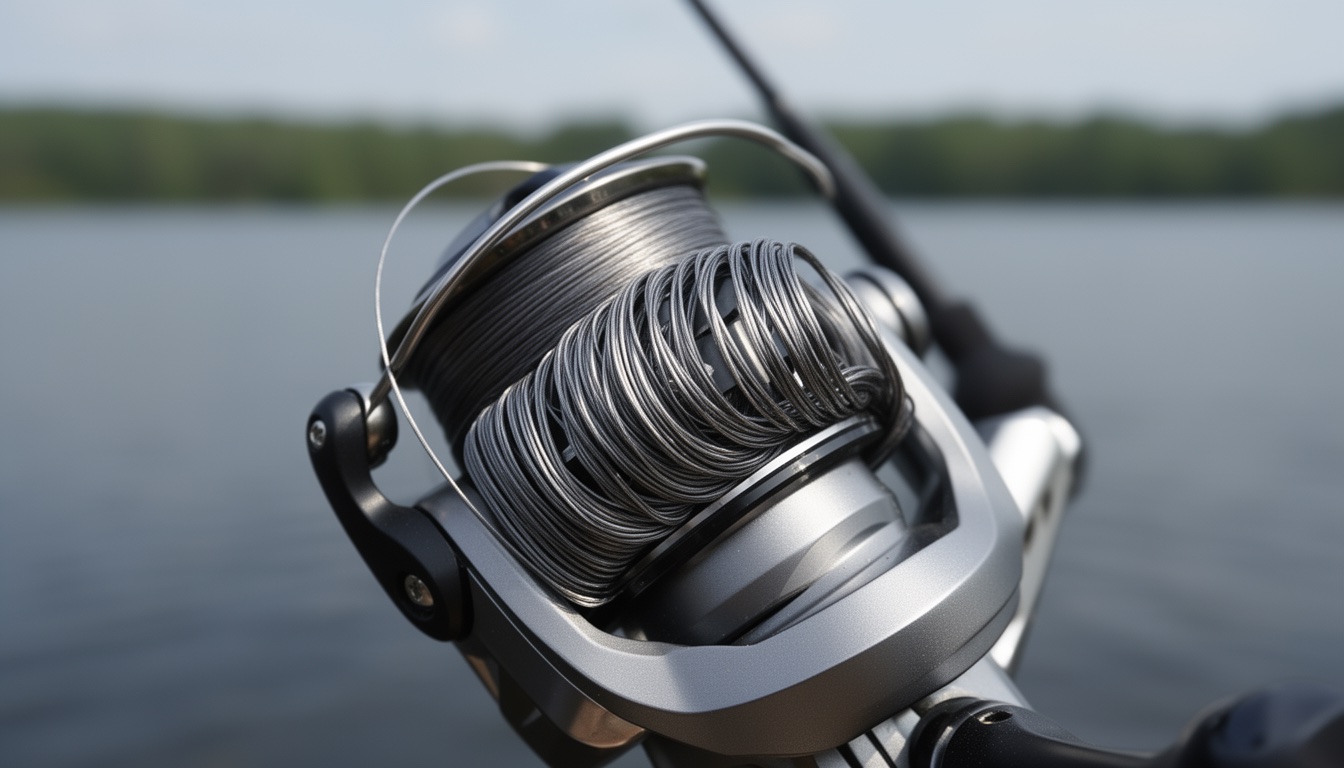
Backlash is the baitcaster’s signature problem. It happens when your spool keeps spinning after your lure lands — the line overshoots and wraps around the spool in a tangled ball. If you’ve ever heard a loud zip-crackle-pop right after your cast, that was backlash.
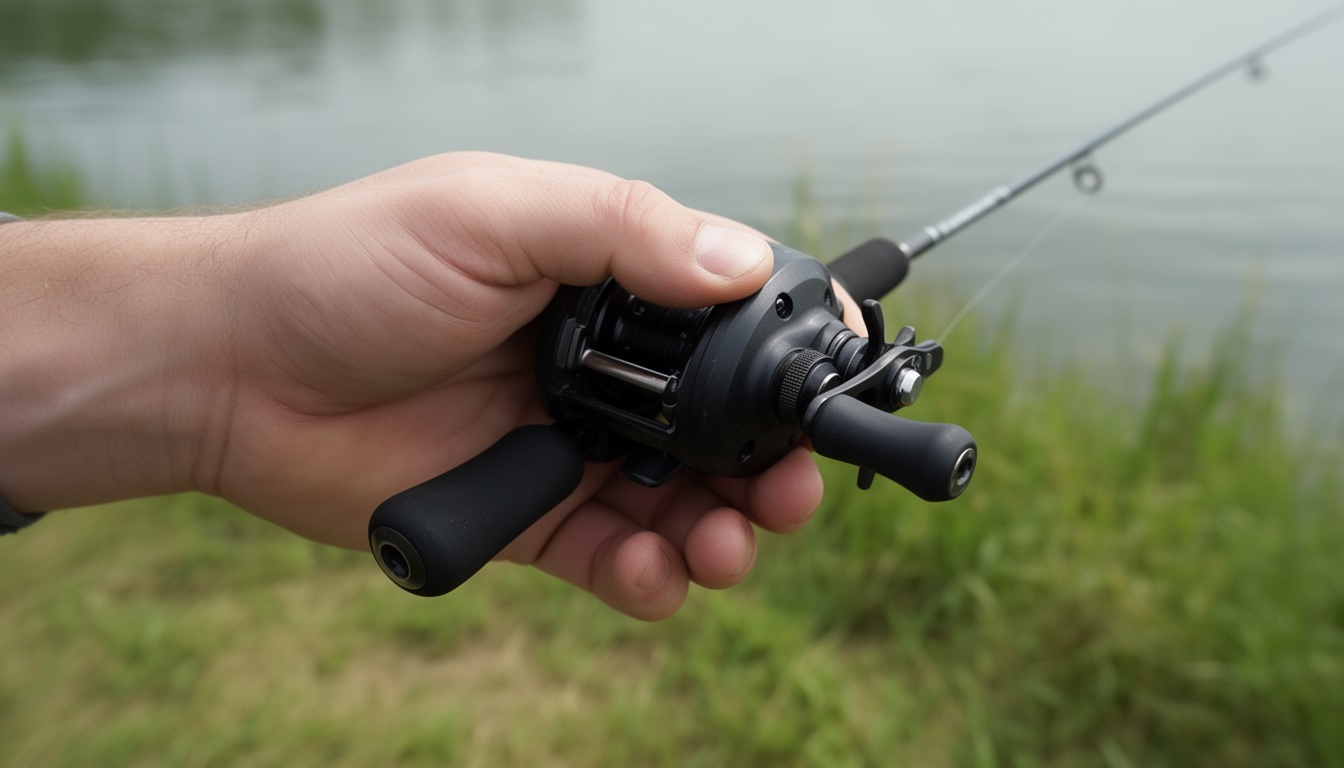
The thumb-on-nest trick works for the vast majority of loose backlashes. Tighten your drag completely. Place your thumb directly on top of the bird’s nest. Pull gently on the line coming from the rod tip. While maintaining that pull, turn the reel handle a few times. The nest will typically unravel and wind back onto the spool cleanly. This is the fastest fix — most backlashes clear in under 10 seconds.
Picking it apart is the fallback for tight nests. If the thumb trick doesn’t work, don’t force it. Use a backlash pick, a crochet needle, or the split ring tool on your pliers. Gently lift one loop of the nest at a time, starting from the outside. Apply light tension on the main line while you work. Most nests untangle in 5 minutes if you’re patient.
When to cut it: If the nest has been on the spool for more than a day, or if it’s so tight you can’t find a loop to lift, cut it. A typical backlash wastes 5-20 feet of line. That’s less than a foot per cast over a season. Cutting a stubborn nest and losing 10 feet of line is smarter than spending 30 minutes picking it apart.
How to Prevent Tangles Before They Start
Fixing tangles is satisfying. Preventing them is better. Here’s how to set up your gear so you spend less time untangling and more time fishing.
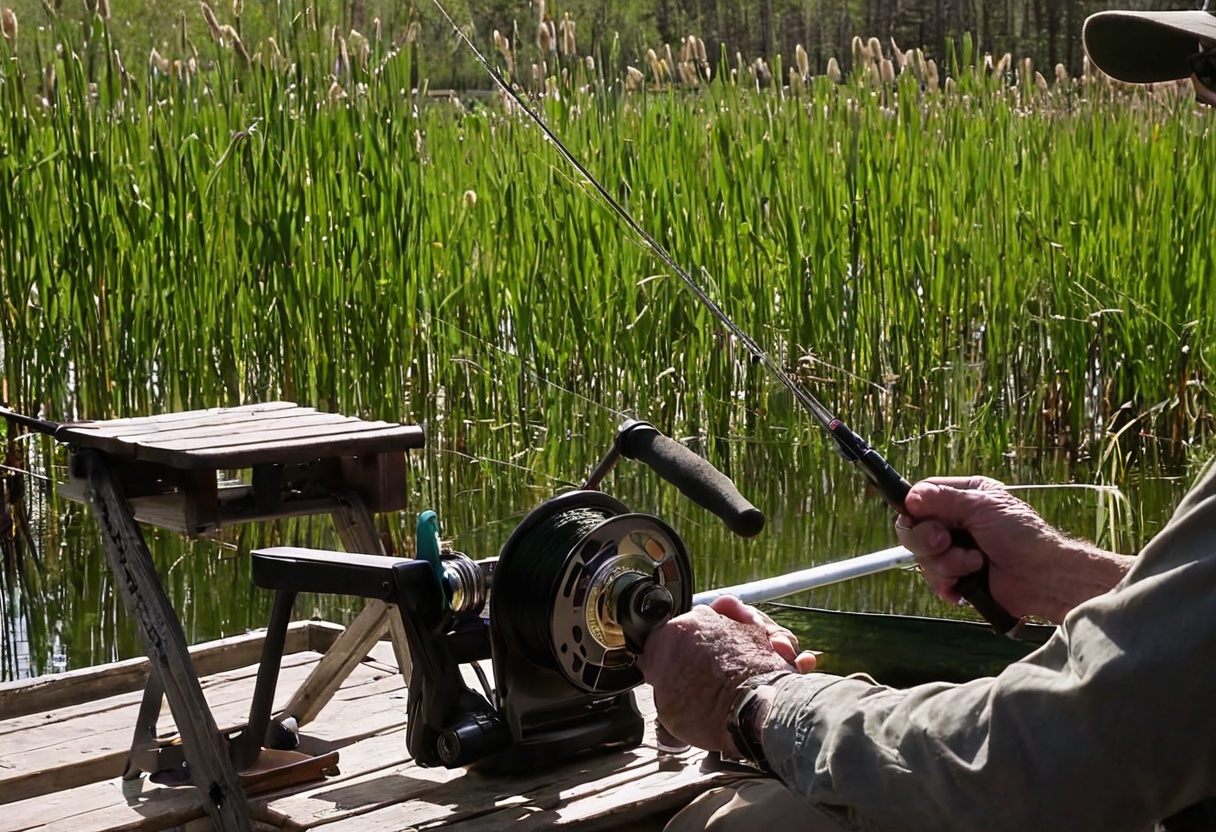
Spool correctly. Fill your reel to about 1/8 inch from the rim. Overfilling causes line to loop and tangle. Underfilling means you don’t have enough backing for larger fish. While spooling, maintain steady tension on the line — have a helper hold a finger on it, or use a spooling tensioner. Even tension prevents gaps and loops in the spool that lead to future tangles.
Match your line to your reel. Monofilament has high “line memory” — it remembers the shape it was wound in and wants to stay that way. This makes it prone to knots and loops. Fluorocarbon has even more memory. Braided line has virtually no memory, making it the most tangle-resistant option. If you’re constantly dealing with knots, consider switching to braid with a fluorocarbon leader. For guidance on choosing the right reel and line combination, see our fishing reel selection guide.
Set your drag properly. Too-tight drag on a baitcaster makes backlash more likely — the spool can’t slow down smoothly when the lure hits the water. Loosen your drag until you can pull line out with moderate finger pressure. Tighten it gradually until you find the sweet spot where casting is smooth but the spool still brakes when it should.
Practice thumb control (baitcasters). Your thumb is the brake on a baitcasting reel. Rest it lightly on the spool during the cast, and apply gentle pressure as the lure slows down right before it lands. This single habit will eliminate the majority of your backlash problems. See our spinning reel vs. baitcaster comparison for a deeper look at which reel type suits your style.
Keep your lure straight. A bent soft plastic or crooked rig will twist your line with every retrieve. Inspect your lure before each cast — if the hook point is bent or the soft plastic is curled, replace it.
Quick Troubleshooting Checklist
| Problem | First Try | If That Fails |
|---|---|---|
| Knot in mono line | Stretch and pick with a tool | Cut and retie |
| Knot in braid | Cut immediately | — |
| Line twist on spinning reel | Wet towel method | Add a swivel, check spool direction |
| Loose bird’s nest | Thumb-on-nest + reel in | — |
| Tight bird’s nest | Pick apart with tool | Cut the nest off |
| Persistent twist after fixing | Re-spooled with correct direction | Switch to braided line |
Tangled line is part of fishing. The difference between a frustrating afternoon and a productive one comes down to knowing what you’re looking at, how fast you can fix it, and whether cutting it is actually the smartest move.