
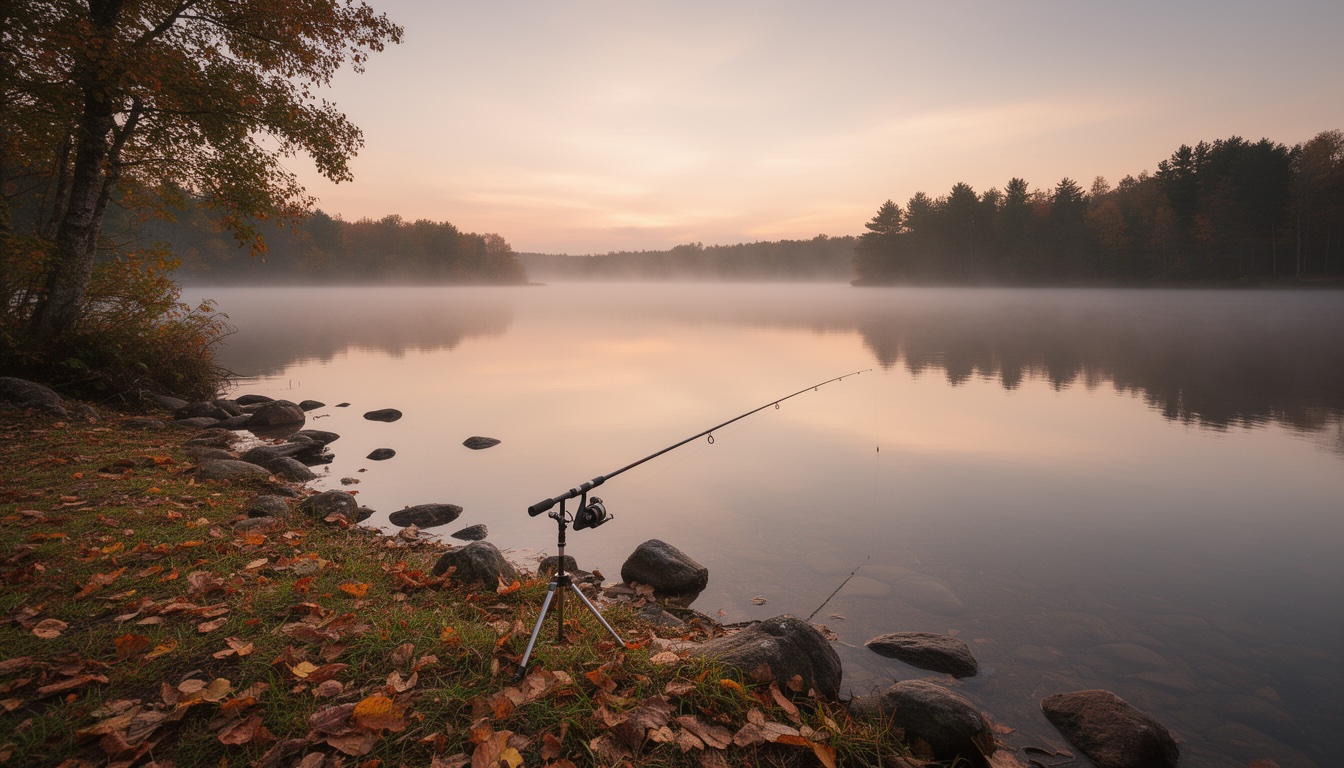
If you’ve ever watched an experienced angler pull a walleye from the water, you know they’re not just another freshwater fish. Walleye fight hard, they’re prized for their taste, and they carry a reputation for being “elusive.” But a big part of that reputation comes down to one thing: timing. Walleye aren’t hiding from you on purpose — they’re just more active when most beginners aren’t fishing.
Understanding a few basic patterns changes walleye from a frustrating mystery into a very catchable fish. Here’s what you need to know to start putting walleye on the line from the bank.
What Makes Walleye Different
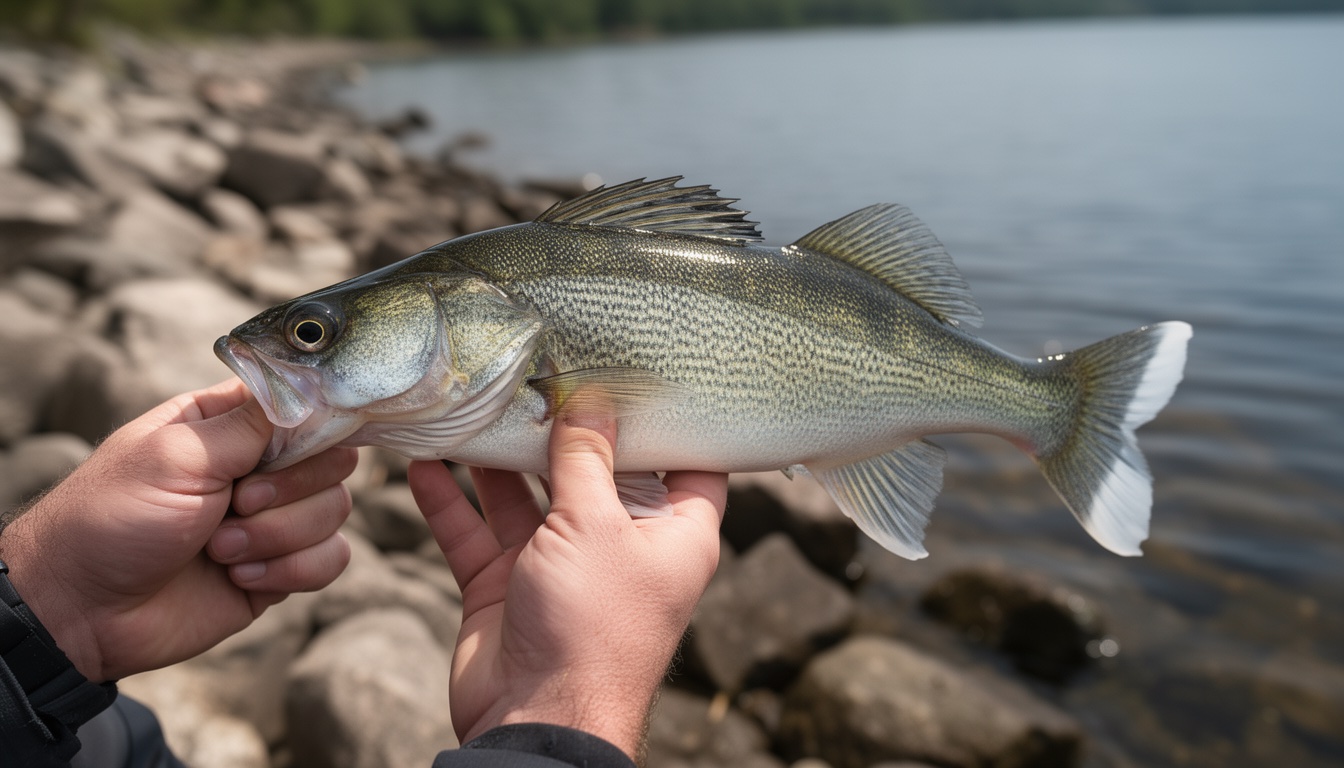
Walleye are a cool-water freshwater species found across much of North America — the Great Lakes basin, the Mississippi River system, the Great Plains, and anywhere in between. They’re easy to identify once you see one: a silver-green body with dark horizontal stripes, a spiky white-tipped tail, and a large, cloudy-looking eye.
That eye is the key. Walleye have a special light-reflecting layer at the back of the eye called a tapetum lucidum — the same adaptation cats use to see at night. This gives them exceptional vision in low-light conditions: dawn, dusk, overcast days, and nighttime. Bright sunlight, on the other hand, makes them uncomfortable. They typically hold in deeper or shaded water when the sun is directly overhead.
This light sensitivity shapes almost everything about how you fish for them. It dictates when they bite, where they position themselves, and even what color lure you should use.
When to Fish Walleye — Timing Is Everything
The best time to fish walleye is usually the worst time for most beginners: early morning and late evening. If you can get to the water before sunrise or stay until after sunset, you’ll see a real difference in your success rate.
Dusk is typically the most aggressive feeding window of the day. As light fades, walleye move shallower to hunt. Dawn comes in second. On overcast days, the bite window extends through the day because the cloud cover diffuses bright sunlight.
Seasonally, spring and fall offer the best shore fishing opportunities. In spring, walleye move into shallow water to spawn when the water temperature reaches around 45-52°F. They’re visible, active, and close to shore. Fall brings another surge as water cools and walleye return to shoreline structure to feed heavily before winter.
Summer walleye are typically deeper — 15 to 30 feet or more — and less forgiving for shore anglers. You can still catch them, but it means fishing during low-light hours or targeting deeper structure with heavier lures.
The temperature window matters too. Walleye prefer water between 50-67°F. Outside that range, they’re not necessarily inactive, but they tend to be harder to locate and less aggressive.
Where Walleye Hold from Shore
You don’t need a boat or a depth finder to catch walleye, but you do need to think about where they would hang out. Walleye are ambush predators that like cover, structure, and the ability to stay near deeper water.
From the bank, focus on these spots:
Drop-offs. The transition from shallow to deep water is prime walleye real estate. A sandy point that suddenly drops off, a rocky ledge, or a bank that goes from 4 feet to 20 feet — these are the places walleye sit and wait for baitfish to swim by.
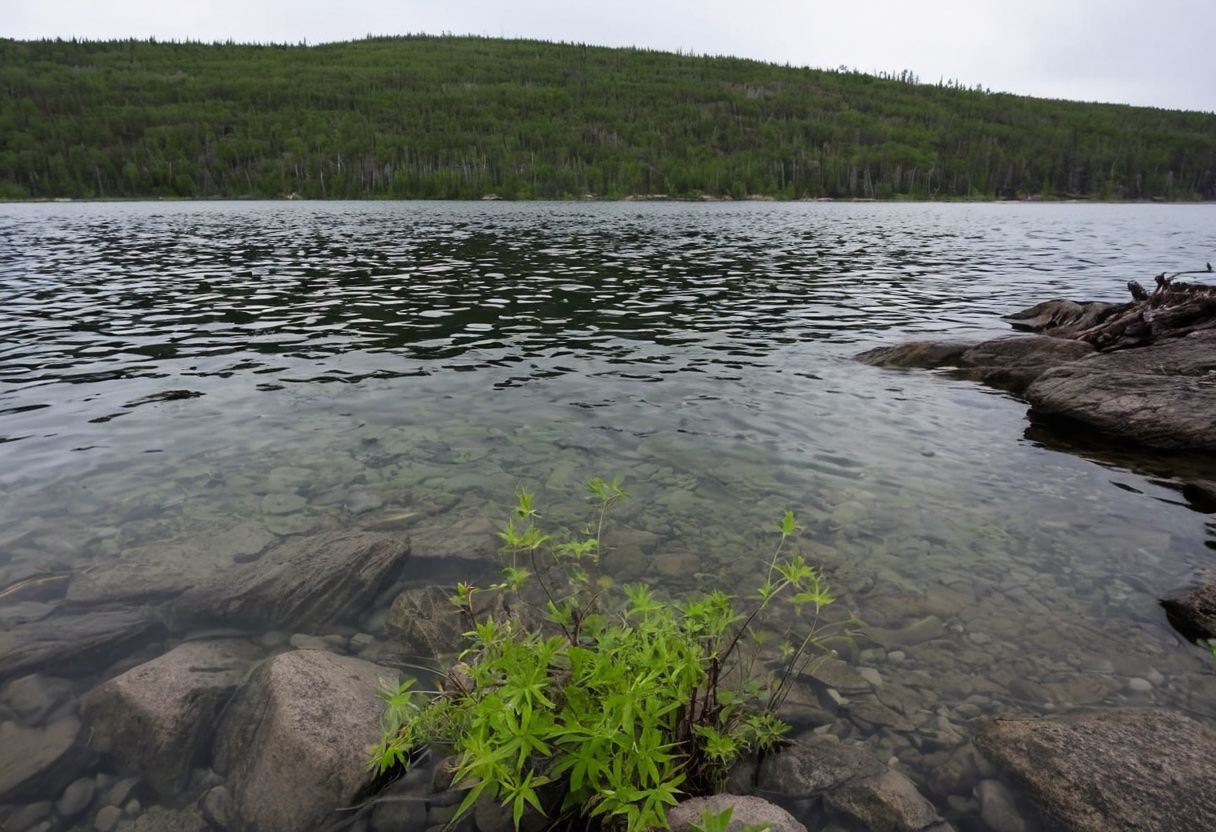
Rocky structure. Walleye love rocks. A rocky point extending into a lake, a shoreline of large stones, or a gravel bar — these areas provide cover and attract the baitfish walleye feed on. If the bottom is rocky, there are likely walleye nearby.
Weed edges. A sharply defined edge between open water and a weed bed is a classic ambush spot. Walleye hide in the weeds and dart out to strike baitfish swimming in the open. Cast right along that boundary line.
Below dams and current breaks. In river systems, the water below a roller dam or behind a rock wall creates a current break where walleye sit and feed. This is especially productive in spring when walleye are moving upstream to spawn but are stopped by the obstacle.
If you’re on an unfamiliar lake, look for spots where the shore drops off, where rocks or weeds are present, and where there’s a mix of shallow and deep water. Sit in one spot for 15-20 minutes. If nothing happens, move to a different structure.
Basic Walleye Gear from Shore
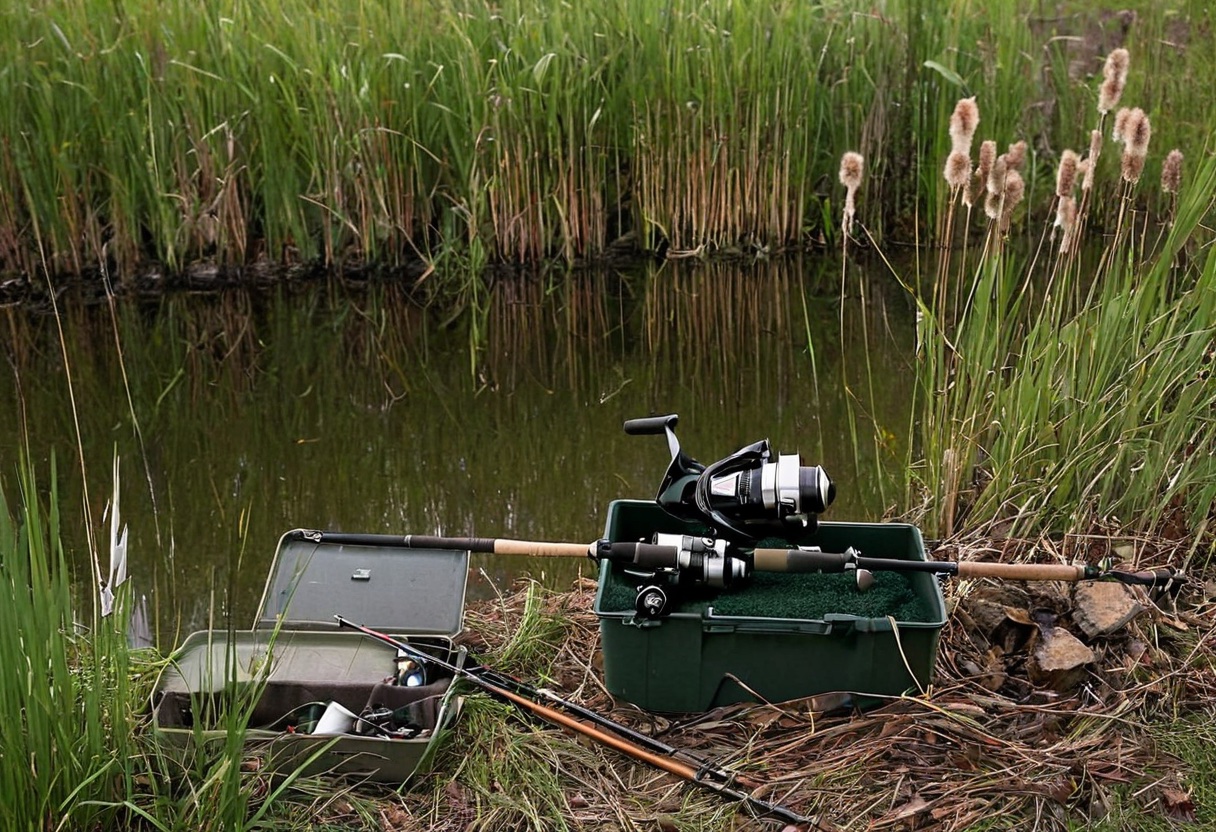
Walleye gear doesn’t need to be expensive or complicated. A simple spinning setup handles most situations from the bank.
Rod: A 7-foot medium to medium-heavy spinning rod is versatile enough for everything from light jigging to crankbaits. You want enough sensitivity to feel a subtle walleye bite, but enough backbone to fight a 5-pound-plus fish.
Reel: Any reliable spinning reel matched to your rod works fine. Size 2500 or 3000 is a good fit.
Line: This is where walleye fishing gets specific. Walleye inhale their prey — they don’t bite and pull like bass. Light line lets the bait slide in more easily without resistance. Six to 10-pound monofilament is the sweet spot. Mono also has some stretch, which helps absorb sudden runs and headshakes.
Leader: A fluorocarbon leader of 8-12 lb is a good addition. Fluorocarbon is nearly invisible underwater, and walleye have sharp eyesight. Tie it to your main line with a simple knot — see our fishing knots guide for beginners for the best options.
You don’t need a depth finder, but if you have access to one, it can help you understand where the bottom drops off and what depth walleye are holding.
Best Bait and Lures for Shore Walleye
Walleye will eat a wide range of bait, but not everything works equally well in every situation. Here’s what to start with:
Minnows. Live minnows are the gold standard for walleye. They’re a natural forage fish, and walleye can’t resist them. Thread a small-to-medium minnow on a jig head and drop it near structure, or use it under a slip bobber.
Nightcrawlers. Available almost anywhere, nightcrawlers are a versatile backup. Split a large worm lengthwise and thread half onto a hook or jig — less bulk, more natural presentation.
Leeches. Especially effective in fall, leeches are tough to hook through and stay alive on the hook for a long time. A single leech on a 1/4-ounce jig works well in deeper water.
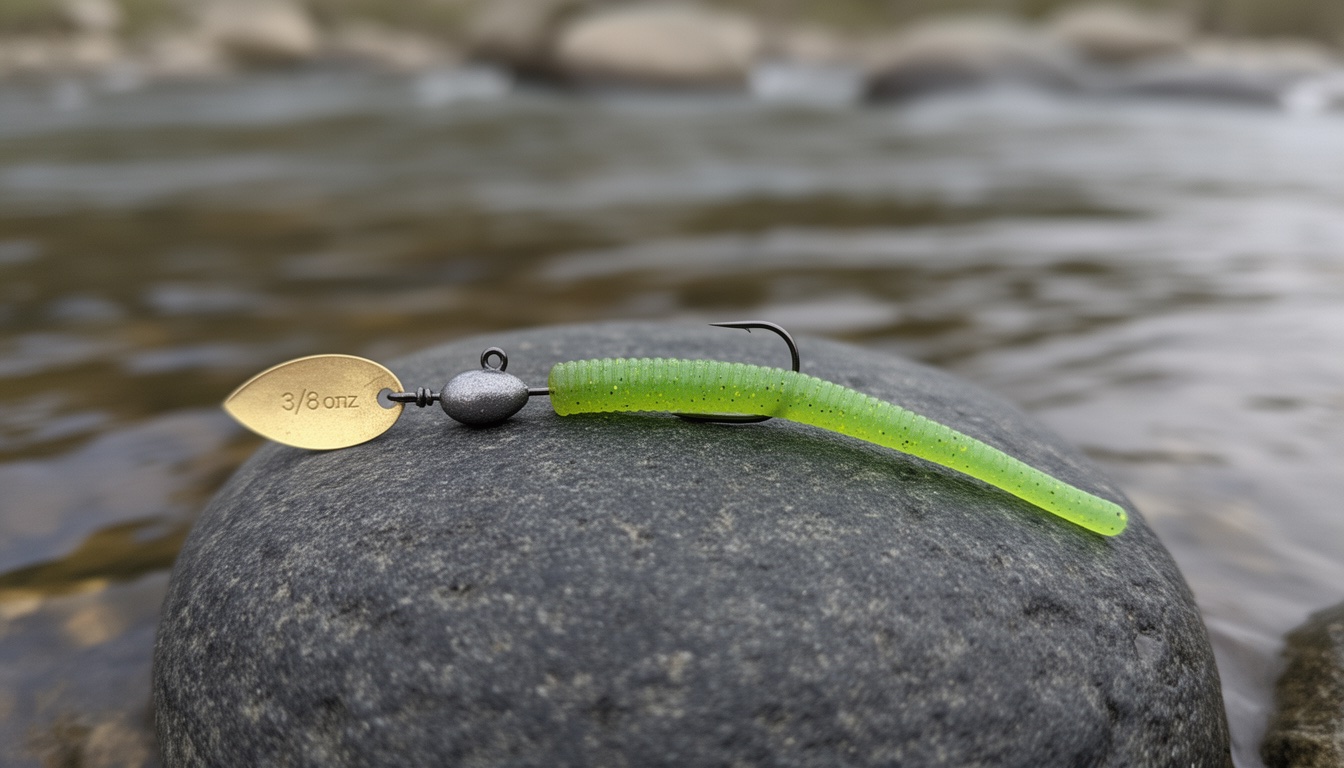
Jigs with soft plastic. The most versatile artificial option. A 1/4 to 3/8-ounce jig paired with a soft plastic tube, leech imitation, or grub covers nearly every situation. Green pumpkin, white, and chartreuse are good starting colors.
Crankbaits. Shallow divers are great for spring and fall when walleye are in 3-8 feet of water. Deep divers reach 12-18 feet for summer and early fall. Steady retrieve with occasional pauses.
Blade baits and metal jigs. These are thin, flat, weighted lures that create vibration and flash. Cast them to deeper structure and retrieve steadily off the bottom. Excellent for fall walleye on reefs and drop-offs.
Match color to clarity. In clear water, use natural colors and subtle movements — walleye are easily spooked. In murky water, go brighter (chartreuse, red) and add vibration (spinner blades, bladed jigs) to help the fish find your lure.
Three Simple Techniques That Work
Here are three techniques that cover most shore walleye situations, from simplest to most advanced:
1. Slip Bobber Rig. The easiest walleye technique for beginners. Thread a slip bobber on your line, followed by a small split shot and a hook with live bait. Cast near structure and let the bait sit 1-3 feet off the bottom. Adjust the bobber depth until you’re happy with it. When the bobber dips or moves sideways, set the hook with a smooth upward lift. This is especially effective in spring when walleye are shallow.
2. Jigging. Drop your jig to the bottom. Lift the rod tip 6-12 inches, then let the jig fall back. Pause for 2-3 seconds, then repeat. Most walleye bites happen on the fall, not the lift. Keep the jig near structure — rocks, weeds, or the edge of a drop-off. This technique works in any depth you can reach from shore.
3. Crankbait or Blade Bait Retrieval. Cast to your target area. Let the lure sink to its running depth, then reel at a steady pace. Don’t be afraid to slow it down — walleye often prefer a lazy retrieve. Add occasional pauses or twitches to trigger reaction strikes. If you’re not getting bites, try a slower or faster speed on the next cast.
Reading the bite. Walleye bites can be subtle. You may feel a light tap, a sudden heaviness, or just notice your line go slack. Don’t wait for a hard pull — set the hook as soon as something feels different. A smooth, firm lift is better than a violent jerk, which can tear the bait from the fish’s mouth.
Walleye Tips for Better Success
A few additional tips that make a real difference:
Be patient with slow presentations. Walleye are not fast-strike fish. They often follow a lure for several seconds before committing. Give your bait time to work, especially near structure.
Don’t sit too long in one spot. If you’ve tried 10-15 casts in a spot with no results, move. Walleye tend to school, and once you find them, they reward you quickly. If you’re not finding them, you’re probably in the wrong spot.
Pay attention to water clarity. Clear water demands more finesse. Murky water lets you be more aggressive with brighter colors and faster retrieves. Adjust your approach based on what you see, not what a guidebook says.
Check local regulations. Walleye size limits and daily creel limits vary by state and sometimes by individual lake. Many states have “slot limits” — for example, you can keep fish under 14 inches or over 18 inches, but must release anything in between. Always check before you go. See our fishing ethics and conservation guide for more on catch-and-release best practices.
Use the right reel for the job. If you’re still deciding on a reel setup, our fishing reel selection guide covers what works best for different freshwater situations.
Catching walleye from shore is very much about showing up at the right time, in the right place, with something the fish will eat. Once you understand their light-sensitive nature and learn to target structure, walleye stop being “elusive” and start being one of the most rewarding freshwater fish you’ll ever catch.