
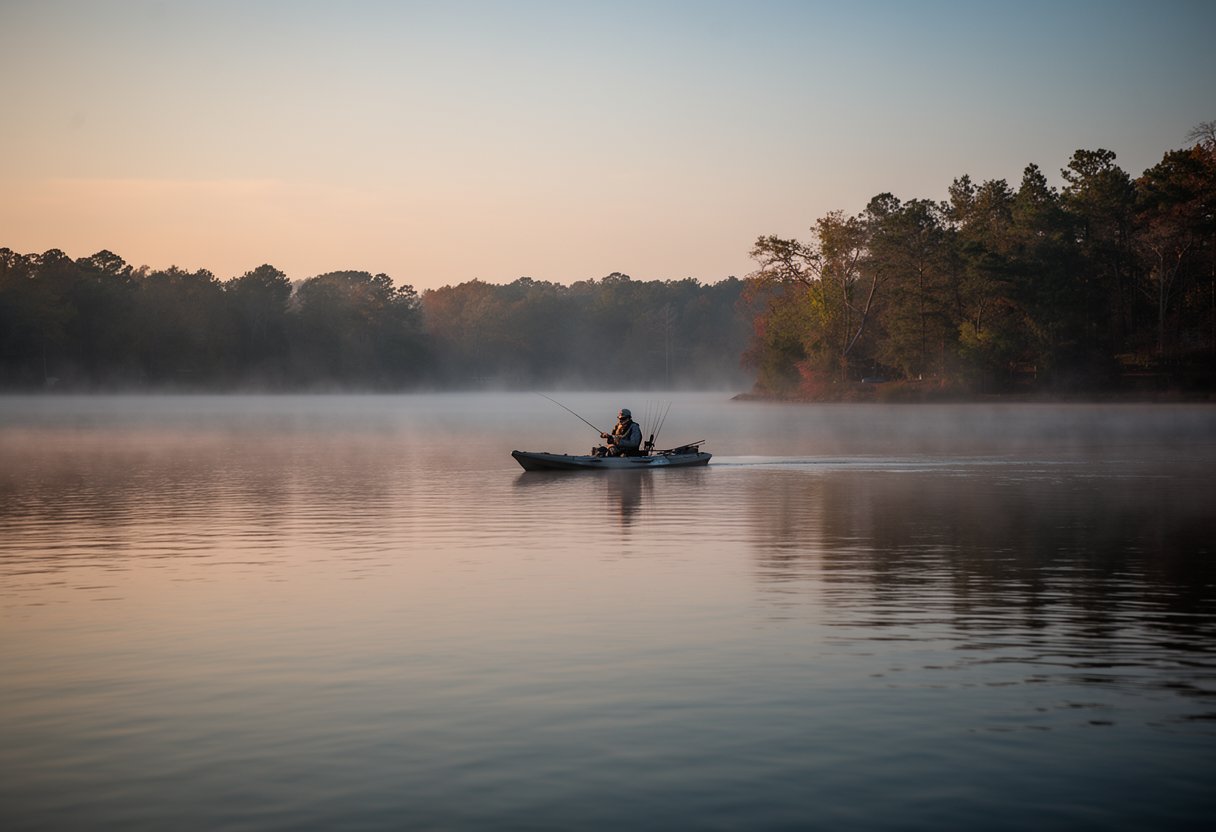
Fishing from the bank works fine until you start wondering what’s on the other side of that weed bed or in the shallow cove the boat can’t reach. If you’ve been fishing from the bank for a while, kayak fishing is one of the most rewarding next steps. The tricky part is that jumping in without a plan can feel overwhelming — and, honestly, a little scary. What kind of kayak do you actually need? What safety gear matters most? How do you even cast from something that moves under you? This guide covers the essentials so your first trip goes well.
Why Kayak Fishing Is Worth Trying
Kayak fishing has grown tremendously over the last decade, and the reasons are straightforward. A kayak reaches water that’s simply inaccessible from the shore. Shallow flats, weed edges, tight coves, and narrow creek channels are all within paddling distance when you’re on a 36-inch-wide kayak instead of waiting for a motorboat that needs 18 inches of depth.
You don’t need fuel, a trailer, or a boating license in most places. A solid fishing-ready kayak costs a fraction of a small motorboat, and there’s no ongoing expense for gas or engine maintenance.
The quiet factor matters more than you’d expect. Kayaks glide across the water without a motor, and fish typically don’t hear you approaching. You can get into spooky water — areas that look full of fish but are too shallow or too close to cover for a larger boat — without alarming what’s underneath.
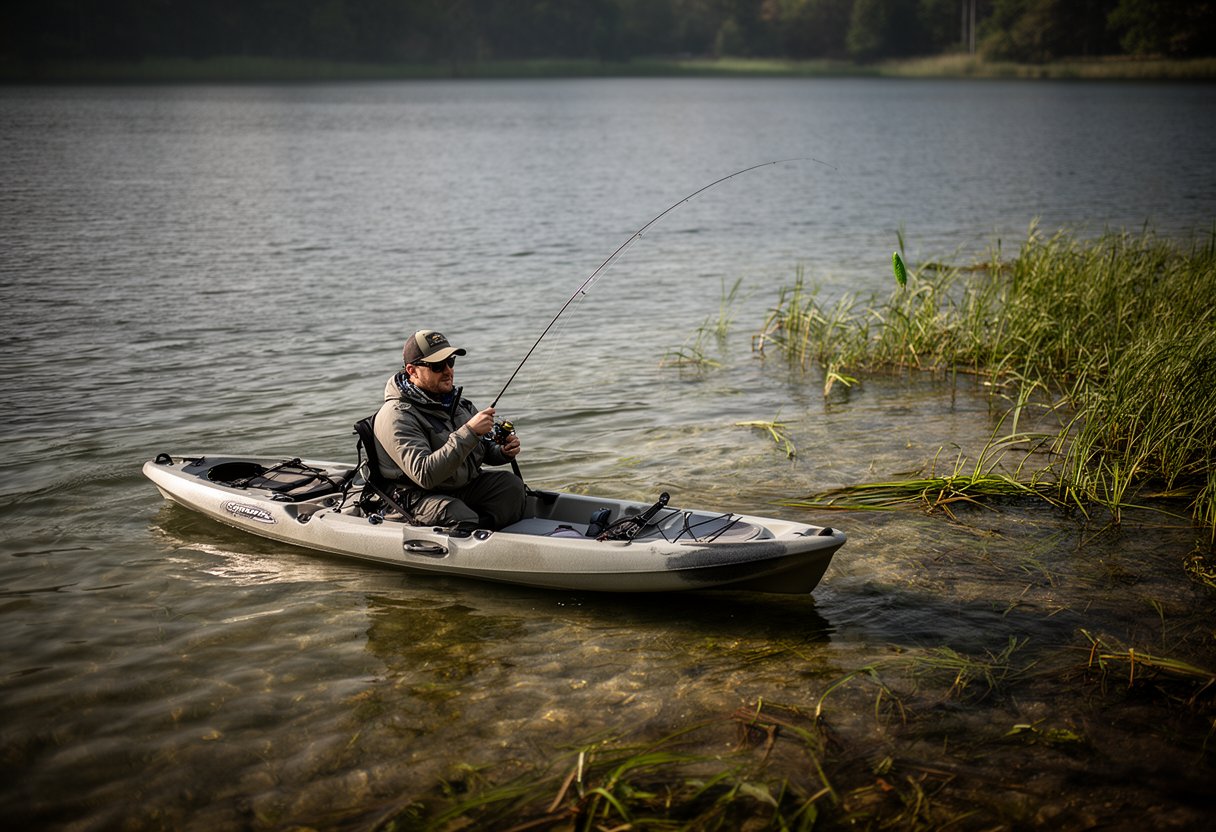
Being eye-level with the water also changes how you read the environment. You’ll notice structure and cover from a completely new angle, and surface signs like fish shadows, baitfish jumping, and subtle current breaks become much easier to spot.
The kayak fishing community tends to be welcoming. Most kayak anglers are happy to share tips with newcomers, and there are active online forums and local groups if you want advice before your first trip.
Choosing Your First Fishing Kayak
The biggest decision is sit-on-top versus sit-inside, and for fishing, the answer is nearly always sit-on-top. Here’s why.
Sit-on-top kayaks are open-deck designs. You sit on top of the hull instead of inside a cockpit. They drain themselves — water that splashes on deck runs off through holes in the bottom. If you somehow capsize, the kayak doesn’t fill with water or sink. Most sit-on-tops use a double-hull design with sealed air chambers, which makes them effectively unsinkable. Getting back on after a fall is as simple as climbing up. For a beginner, that kind of margin for error is worth a lot.
Sit-inside kayaks are faster and track better in open water, but they have a cockpit that fills with water if you flip over. They’re designed more for touring than fishing.
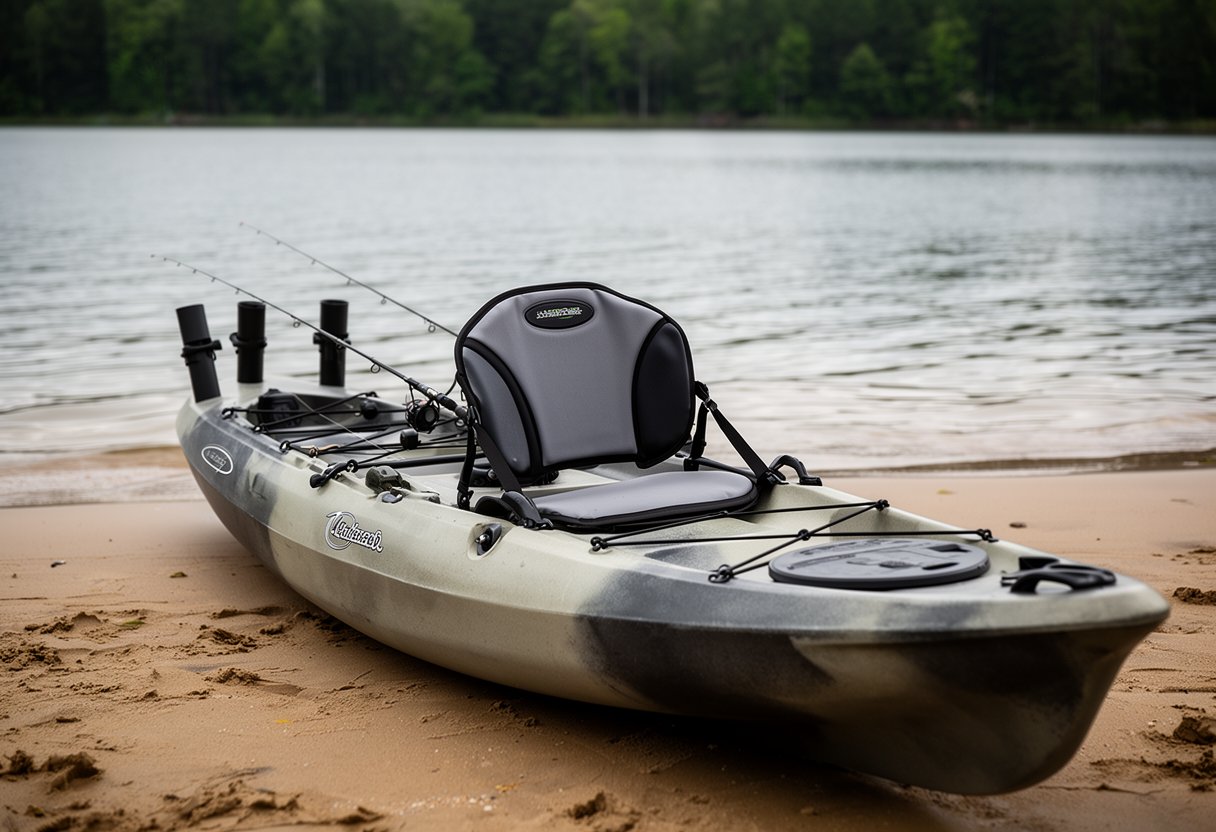
For a beginner, stability matters more than speed. Look for a kayak that’s at least 33 inches wide — ideally 36 inches or more. A wider hull gives you noticeably more stability, and the paddling speed difference between a 33-inch and 36-inch kayak is barely noticeable when you’re just learning.
You’ll also want to decide between paddle-powered and pedal-driven. A paddle kayak is simpler, cheaper, and puts you in direct control. Pedal kayaks free up your hands, but they cost significantly more and add moving parts that can break. Start with a paddle model.
Check the weight capacity before you buy. You want enough room for your weight plus your gear with some margin to spare. If you weigh around 200 pounds, look for a kayak rated for at least 300 pounds.
A solid entry-level fishing sit-on-top typically costs between $300 and $800. That range gets you a stable, well-equipped kayak without over-investing before you know whether you’ll stick with it. If your area has a store with a rental pond, test before you buy.
Kayak Fishing Safety Essentials
Kayak fishing is safe when you follow proper precautions. The water environment introduces risks that shore fishing simply doesn’t have, and most of those risks are preventable.
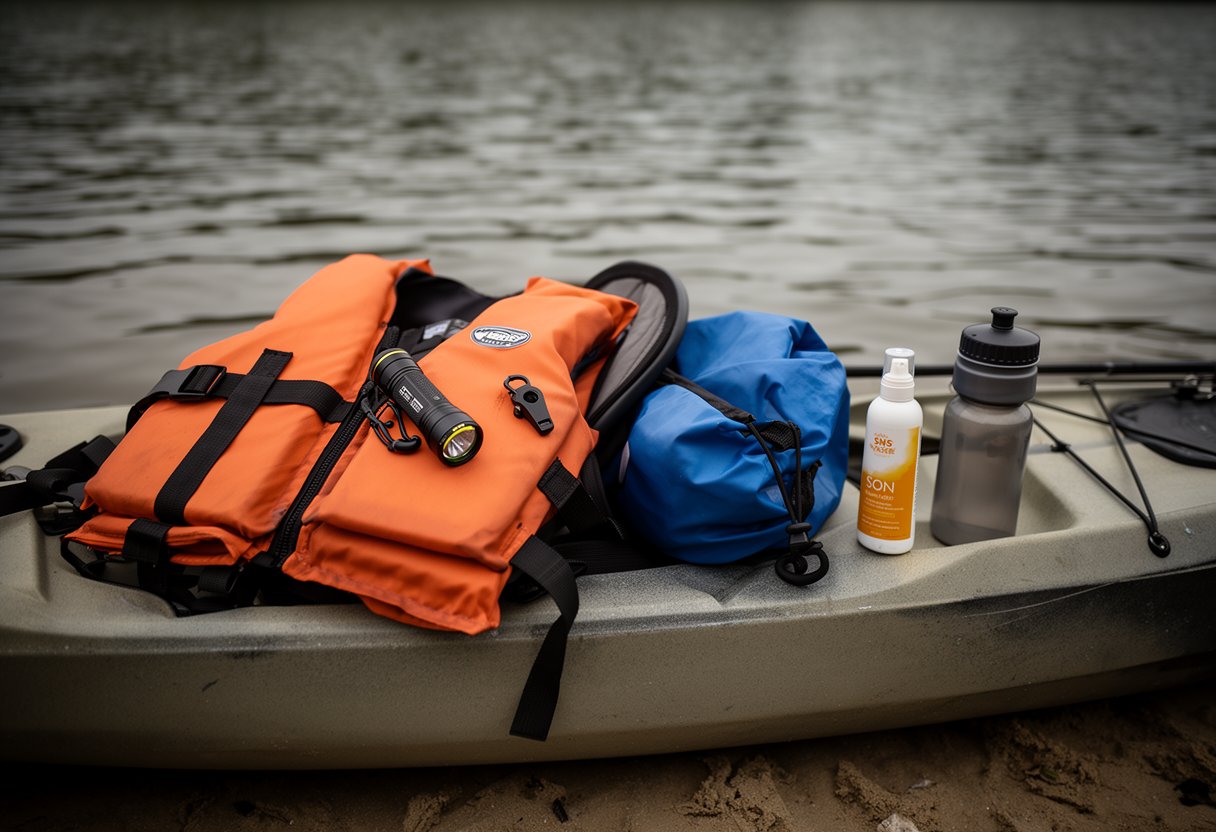
Wear your PFD — don’t stow it. A personal flotation device (PFD), also known as a life jacket, is the single most important piece of safety gear you’ll carry. Many states require one on the kayak, but having it on your back and actually buckled up is what makes the difference. If you fall off — whether from a sudden fish strike, a gear shift, or just a wet deck — seconds matter. A PFD keeps you afloat and upright. Look for a fishing-specific PFD with pockets and a comfortable fit. You’re far more likely to wear it if it doesn’t feel like a bulky vest.
Know the 120 Rule. Add the air temperature to the water temperature. If the total is below 120 degrees Fahrenheit, wear thermal protection — a wetsuit or drysuit. This rule exists because cold water shock and hypothermia are real dangers, even on days that feel comfortable in the air. A 50-degree lake on a 60-degree day adds up to 110, which is below the safety threshold. Cold water doesn’t need to be freezing to be dangerous.
Plan around the weather. Check the forecast before every trip. Thunderstorms, high winds, and rapidly shifting conditions are serious hazards on the water. A light breeze feels very different at eye level on a lake than it does standing on the bank. If wind is predicted to pick up after noon, head out in the morning. If storms are in the forecast, stay home.
Tell someone where you’re going. This is called a float plan. Share your location, expected return time, and your kayak color with a friend or family member. If something goes wrong, they know where to look and when to call for help.
Pack these essentials every time:
- Whistle (attached to your PFD)
- First aid kit in a waterproof case
- Hook cutters (to quickly release yourself if you accidentally hook your clothing)
- Waterproof flashlight
- Sunscreen and sunglasses
- Drinking water
- Dry bag for your phone, wallet, and car keys
- Safety flag (required in many states when using an electric trolling motor)
Single hooks over treble hooks. In the tight space of a kayak, fighting a fish on treble hooks increases your chances of accidentally hooking yourself, your clothing, or your gear. Single hooks reduce that risk and work just as well for most species.
Gear and Setup for Your Kayak
You don’t need to turn your kayak into a floating tackle shop on day one. Start simple and add gear as you learn what you actually use on the water.
The classic setup uses a standard white milk crate strapped to the back of the kayak. It holds your tackle boxes, pliers, extra lures, and anything else you need within arm’s reach. For ideas on what to put in those boxes, our tackle box checklist is a good starting point. It’s cheap, nearly indestructible, and you’ll see some version of it on almost every fishing kayak out there.
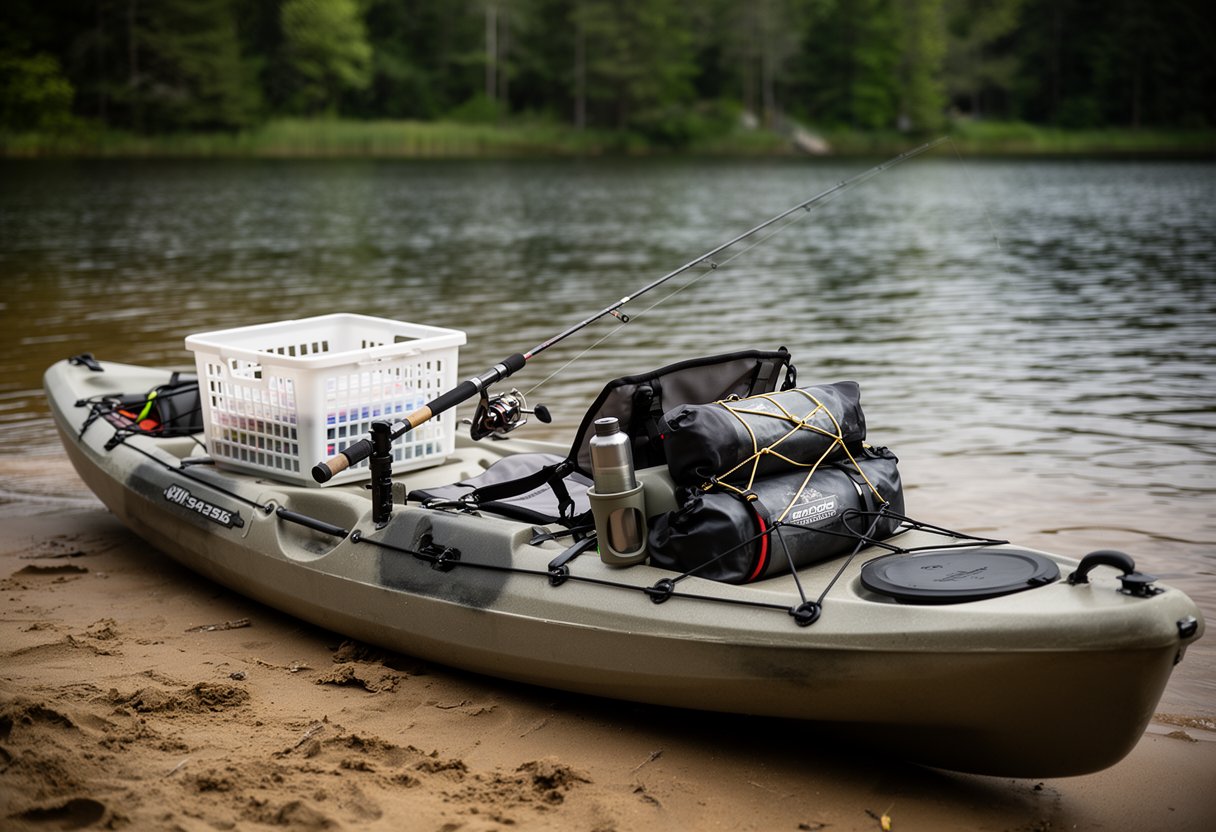
Most fishing sit-on-tops come with rod holders built in. If yours doesn’t, aftermarket holders are inexpensive and easy to mount. One or two holders are plenty for a beginner.
Keep valuables in dry bags. Even a self-draining kayak gets wet, and your phone, car keys, and spare clothes don’t need that. A medium-sized dry bag secured to the deck with bungee cords handles the job.
Adjust your seat and foot pegs before you paddle out. Most kayak seats are adjustable — get the backrest and foot position comfortable before you hit the water. An uncomfortable seat makes a short trip feel much longer than it is.
Bring a cooler with water and snacks on any trip over two hours. Dehydration and fatigue are surprisingly common on the water, even on cool days, because sun and wind dry you out faster than you realize.
Casting from a Kayak: What Changes
Casting from a kayak is different from casting from the bank. You’re seated lower, your range of motion is more limited, and the kayak itself can move when you make a powerful backswing.
The most important adjustment is casting style. If you are still learning the basics, our casting guide covers the fundamentals that transfer to kayak fishing. Sidearm casting — casting the rod to the side rather than over your shoulder — is more effective and safer from a kayak. An overhead cast requires a big backswing that can pull you off balance, especially when the kayak is drifting or bobbing. Sidearm casts are smoother, quieter, and much easier to control from a seated position.
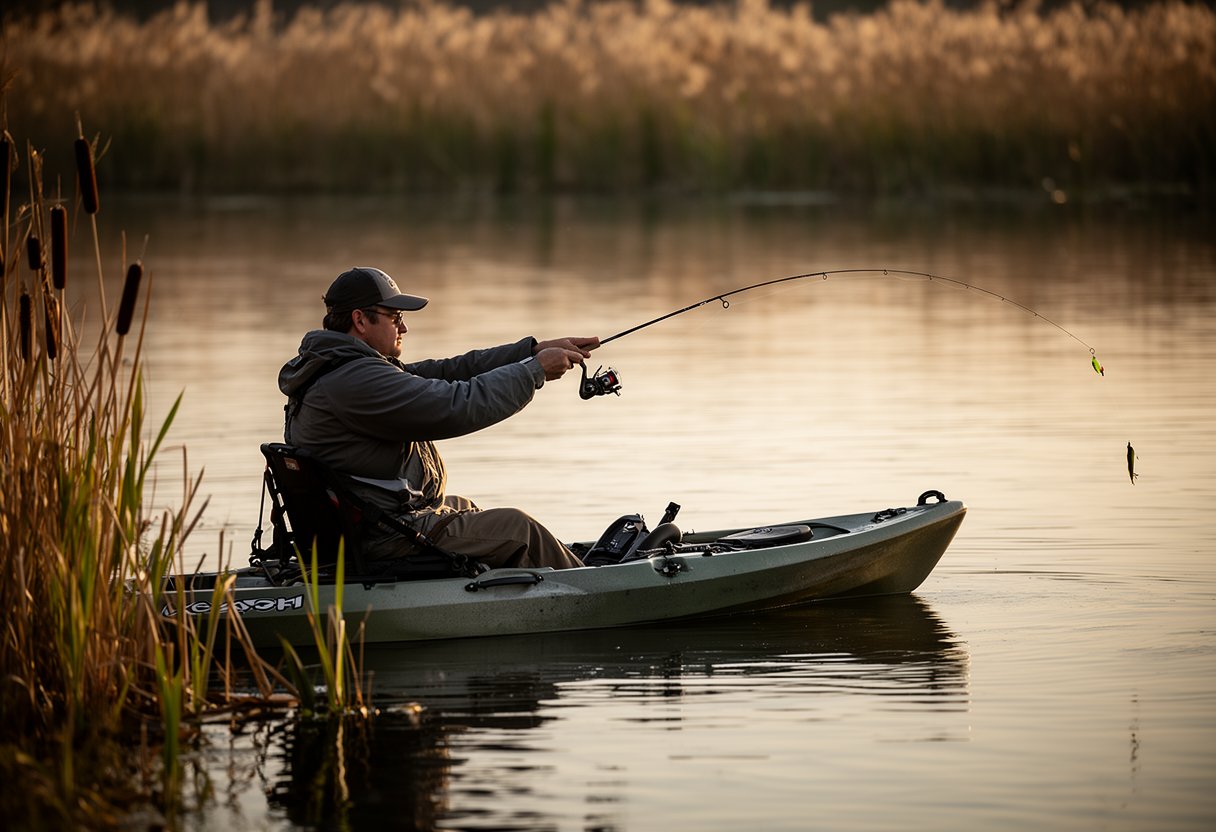
Use lighter lures than you typically would on the bank. Lighter lures are easier to cast accurately from a seated position and create less forward pull when you’re reeling them in. Heavy baits can drag the kayak sideways as you crank, which throws off your position and makes fishing uncomfortable. Good beginner choices for kayak fishing include:
- Frogs — surface baits that are easy to work from a low position
- Texas-rigged soft plastics — versatile, forgiving, and effective for most species
- Neko rigs — great for lifting baits off the bottom without heavy weights
Being low to the water is actually a casting advantage. You can skip lures under docks, thread casts through narrow gaps in vegetation, and approach cover quietly in ways that are difficult from a standing position on the bank.
Let the kayak drift. Instead of paddling constantly, find a spot and let the current or wind move you slowly while you fish. Drift fishing is one of the most natural techniques for a kayak. You cover water gradually without much effort, and fish tend to be less suspicious of bait that’s moving slowly through their territory.
When you hook a fish, stay low and keep your center of gravity down. Fighting a big fish while standing in a kayak is one of the fastest ways to tip over. Sit low, brace one foot against the foot peg, and let the rod and reel do the heavy lifting.
Where to Go for Your First Kayak Fishing Trips
Your first kayak fishing trip should be on calm, familiar water. The goal is to learn how the kayak behaves while you fish, not to discover new territory.
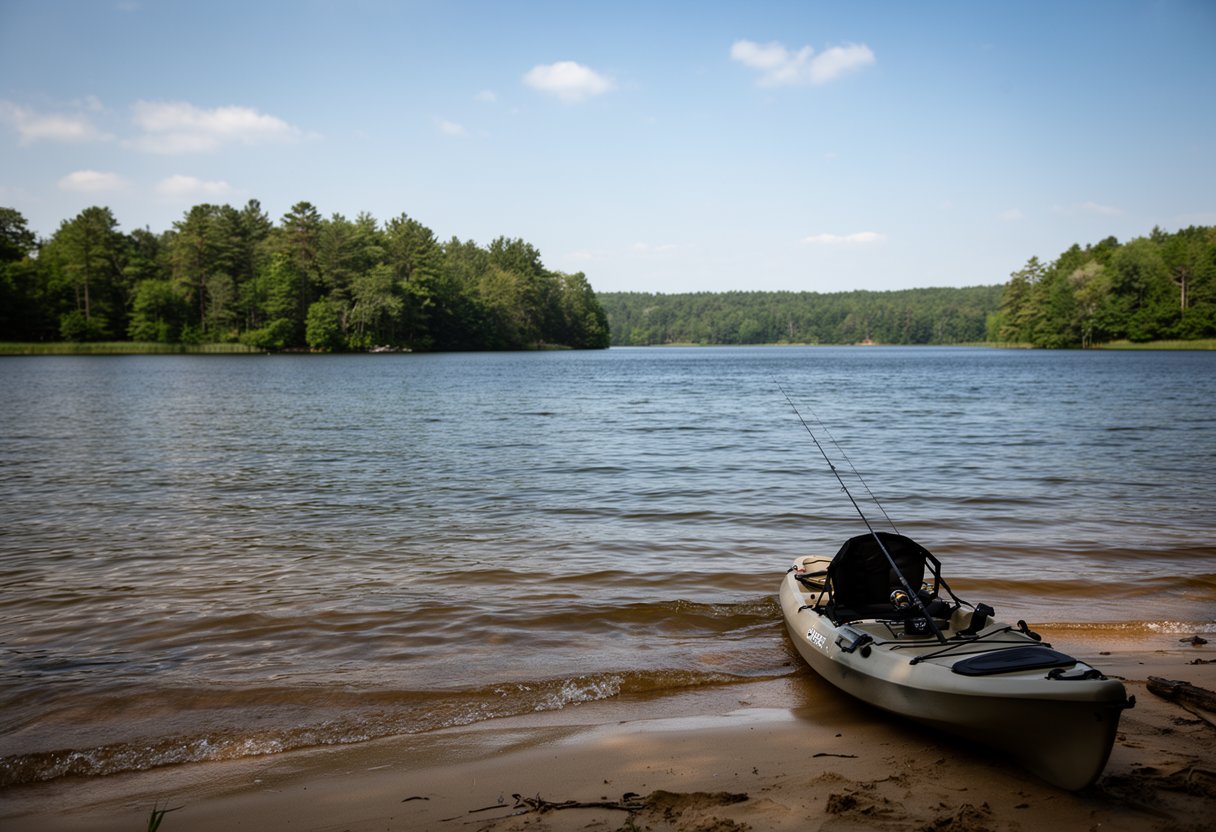
Lakes and ponds are the best starting point. They offer protected water with minimal current, predictable conditions, and easy access points. If you already fish a local lake from the bank, it’s a perfect place to try it from a kayak — you’ll know what species are around and what lures work.
Bays and sounds are preferred for saltwater kayak fishing. They offer protected water with access to fish, and tidal movement provides natural drift without the strong currents you’d find in open channels.
Rivers can be excellent for kayak fishing, but they add complexity. Pick a calm day or find a narrow, shallow section. Rivers can develop current quickly, and being pushed downstream while you’re still learning to paddle and fish at the same time adds stress that’s unnecessary on a first trip.
Avoid open water, heavy boat traffic, and strong currents until you’ve built comfort on calmer water. Check local regulations — some areas have kayak-specific rules, and a few protected waters require a permit.
Planning Your First Kayak Fishing Trip
Here’s how to approach your first outing so it goes smoothly:
Go in the morning. Mornings typically have calmer wind, better fishing activity, and cooler temperatures. All three make a first trip more enjoyable and less stressful.
Check the weather one more time right before you leave. Forecasts can change, and conditions on the water can shift quickly — especially in the summer.
Start with a short trip — two to three hours max. You don’t need to prove endurance on the first day. A short, positive experience builds more confidence than a long, exhausting one.
Bring a friend if possible. Having another person on the water with you is a safety benefit and a learning opportunity. A more experienced kayaker can share tips in real time.
Change one or two things per trip. Don’t overhaul your entire setup after the first outing. Adjust the seat, try a different lure, or paddle to one new spot. Small changes build into good habits faster than trying to figure everything at once.
Practice when the water is warm. Warm water is more forgiving — less concern about cold shock, more comfortable if you take an accidental dip, and better fishing in most seasons. Once you’re confident in warm conditions, gradually expand into cooler months.
Kayak fishing is one of the most rewarding ways to experience the water as an angler. Start safe, start simple, and the rest comes with time on the water.