
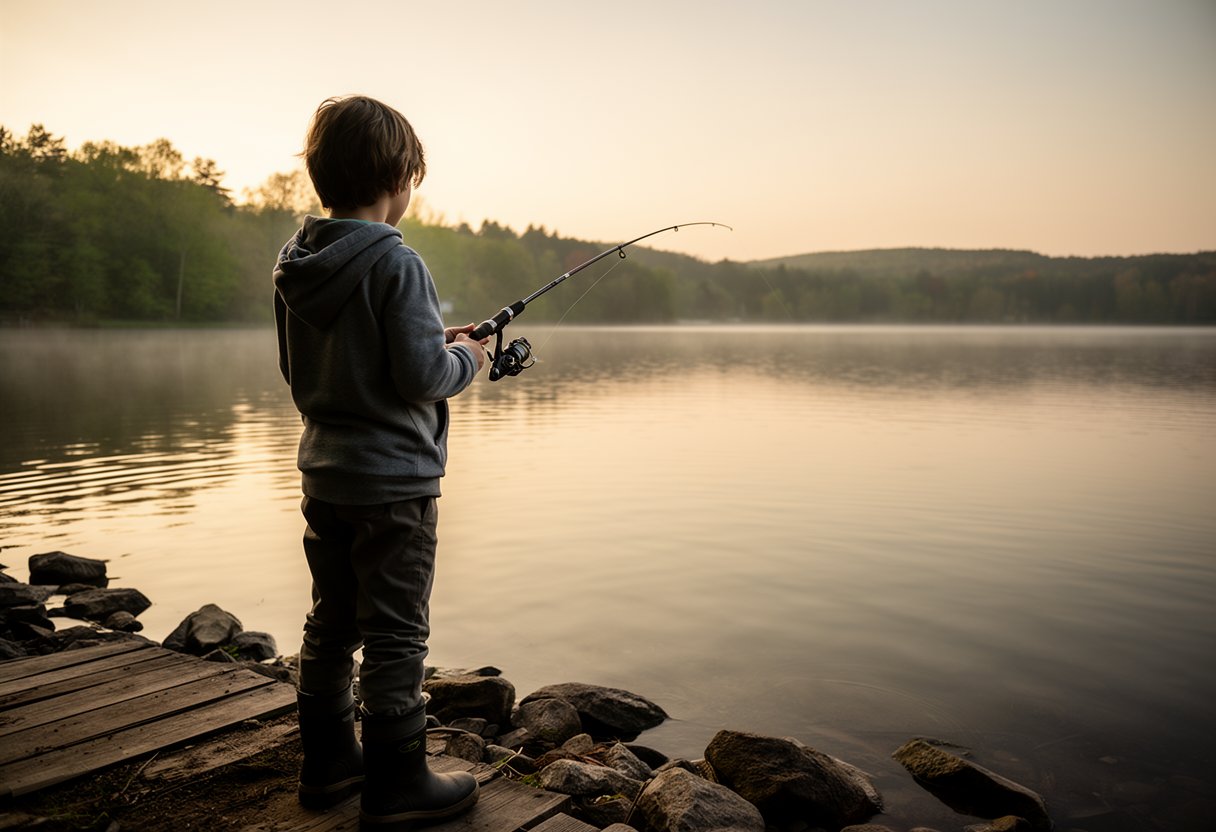
You’ve decided to start fishing. You’ve got your rod, you’ve read a few guides, and you’re ready to hit the water — but then you see the word “license.” And maybe “bag limit.” Or “slot limit.” Government websites are written in legal language that doesn’t make much sense. You don’t want to accidentally break the law or get fined on your very first day. This article explains what you need to know, in plain English.
Why Fishing Licenses Exist (It’s Not Just About Revenue)
Every state in the US requires you to purchase a fishing license before you can legally cast a line. But the money you pay doesn’t go into a general government fund — it goes directly back into the water.
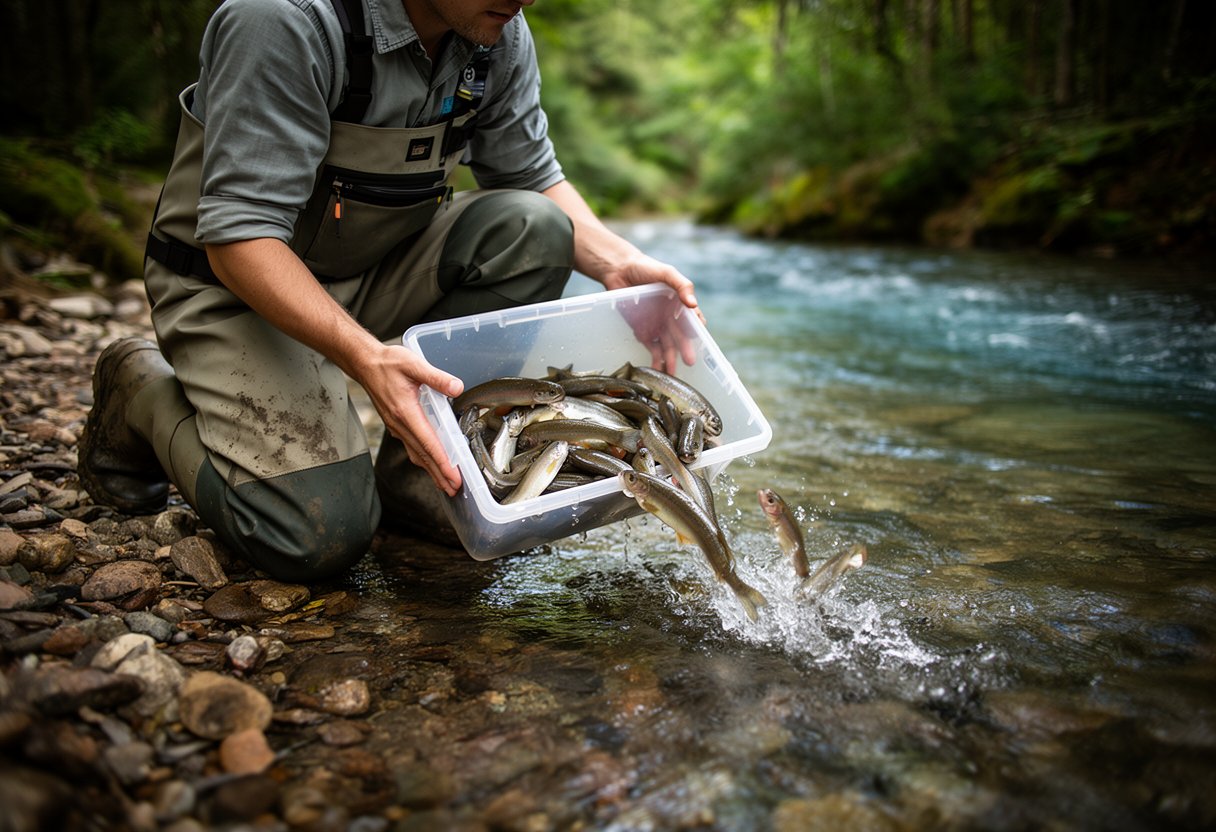
When you buy a fishing license, your state is required by federal law to dedicate that revenue to fisheries. The funds pay for fish stocking programs, habitat restoration, lake and river surveys, water quality monitoring, and conservation officer salaries. The fish you’ll be catching — whether it’s bass, trout, or crappie — are often there because of license revenue.
There’s also the Sport Fish Restoration program. Every time you buy a fishing rod, reel, line, or lure, federal excise taxes on that gear are funneled back into fish habitat. In 2024 alone, those taxes funded nearly $1 billion in fisheries projects across all 50 states.
So a fishing license isn’t a fee the government charges to make money. It’s the system that keeps fish populations healthy and lakes fishable for the next generation.
Do You Need a Fishing License?
If you’re 16 or older, almost certainly yes. But the exact rules depend on your state and your situation.
Age requirements: Most states require a license for anglers 16 and older. A few states set the threshold at 18. If you’re a parent fishing with a young child, the child typically doesn’t need a license — but double-check your state’s minimum age.
Common exemptions: Even if you’re over the age threshold, you might be exempt. Common exemptions include:
- Seniors aged 65 or older (some states waive the license, others offer a deep discount)
- Disabled veterans in many states
- Blind or totally disabled residents
- Active-duty military on leave fishing in their home state
Florida specifics: If you’re fishing in Florida (the home of CastDepth), residents under 16 are exempt. Disabled Florida residents who are US citizens are exempt. Florida residents fishing from their “home waters” — meaning freshwater on land they own, lease, or have permission to fish — don’t need a freshwater license. But the moment you hit a state park, a public lake, or a guided trip, you need to be licensed.
Free fishing days: Most states have one or more “free fishing days” each year where you can fish without a license. In Florida, free fishing days happen on the third Saturday of June and September. However — and this is important — all other regulations still apply on free fishing days. Bag limits, size limits, and seasonal closures are still in effect. You’re only waived from needing the license itself.
Freshwater vs. saltwater: Some states have separate freshwater and saltwater licenses. Others have a combined license. Florida has both — you can buy a freshwater-only license, a saltwater-only license, or a combo. If you’re only fishing inland lakes and rivers, the freshwater license is enough.
How to Buy a Fishing License
Getting licensed is straightforward. Most states offer multiple ways to buy:
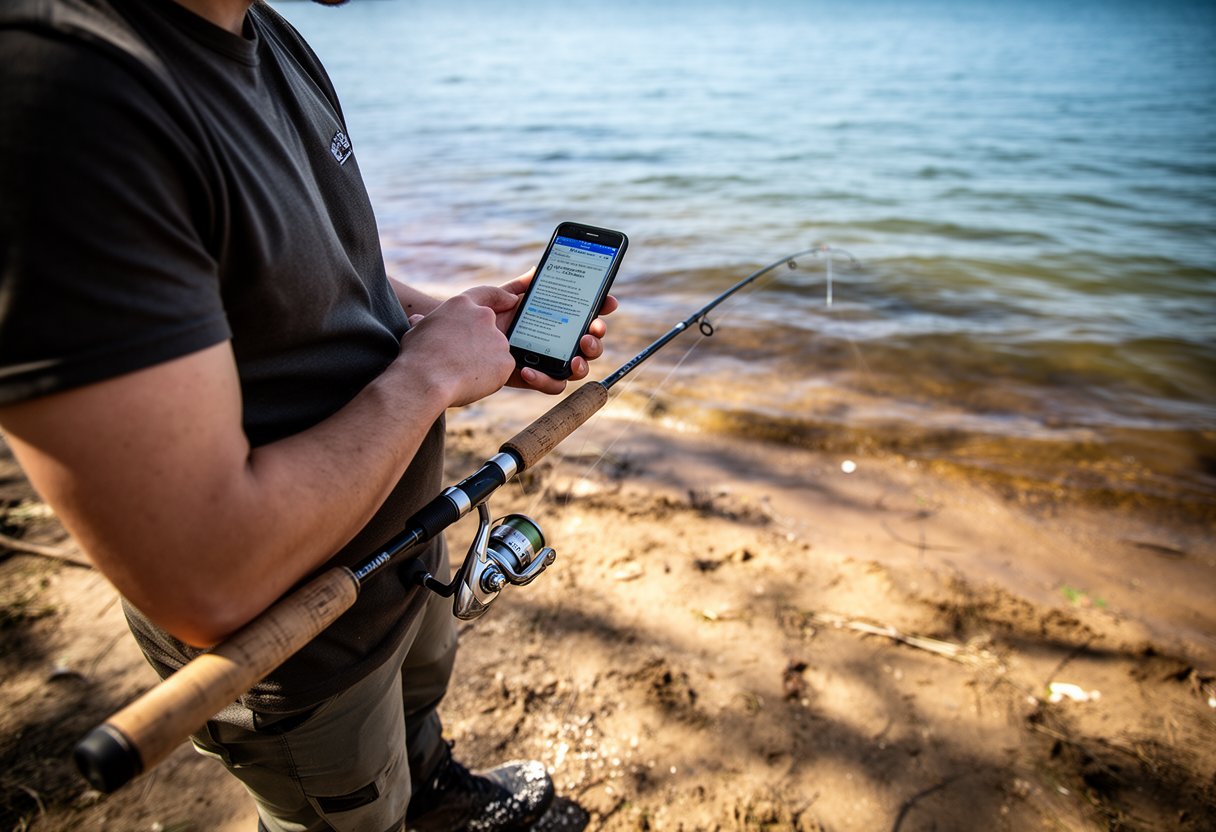
Online — This is the most common method. Go to your state’s wildlife or fish and game agency website, create an account, and purchase your license. You’ll receive a digital license you can keep on your phone. No printing required.
In person — Most bait shops, sporting goods stores, and license issuing agents sell fishing licenses. You can buy at the same place you pick up your tackle.
Mobile apps — Many states have their own fishing apps. Florida’s “Go Outdoors” app lets you buy, store, and manage your license all from your phone. Conservation officers can verify it digitally.
By phone — Some states still offer phone ordering. Check your state’s wildlife agency website for a toll-free number.
License duration: Most states offer 1-day, 3-day, and annual licenses. If you’re fishing a few times a year, a short-term license makes sense. If you’re fishing regularly, the annual license pays for itself quickly.
How much does it cost? Resident freshwater licenses typically run around $10–$30 per year, with $20–$25 being the average across states. Non-resident licenses are higher, usually $40–$75. In Florida, a resident freshwater license is $17/year, a saltwater license is $17/year, and a combo is $32.50/year. For reference, that’s less than a movie ticket.
Your digital license is legally valid everywhere in your state. Conservation officers have tablets that can verify it on the water. If you’re fishing in a different state, you’ll need that state’s license too.
How to Read Fishing Regulations (Bag Limits, Size Limits, and More)
This is the part that actually trips up most beginners. You buy your license, but then you need to understand what you’re allowed to do — and what you’re not.
Here are the five regulation types you’ll see in your state’s rules:
Daily bag limit — This is the maximum number of fish of a given species you can keep in one day. For example, Florida’s daily bag limit for largemouth bass is 5 per person. If the limit is 5, catching a 6th bass means you need to release it.
Possession limit — This is the maximum number of fish you can have in your possession at any time. It’s usually 2–3 times the daily bag limit. The reason? It prevents anglers from “banking” fish across multiple days. If the bag limit is 5 and the possession limit is 15, you could theoretically have caught 5 fish each day for three days and still be legal — as long as you didn’t exceed 5 on any single day.
Minimum size limit — Fish below a certain length must be released. These limits exist because smaller fish haven’t yet reached spawning age. If the minimum size for bass is 12 inches, any bass under 12 inches goes back in the water.
Maximum size limit — Fish above a certain length must be released. This protects the largest breeding fish in the population, which produce the most eggs. You’ll see this more often with species like spotted seatrout or certain panfish.
Slot limit — This combines minimum and maximum. Fish must fall between two sizes to be kept. Both very small AND very large fish are released. You’ll see slot limits on popular bass lakes where managers want to protect both juvenile fish and large spawning adults.
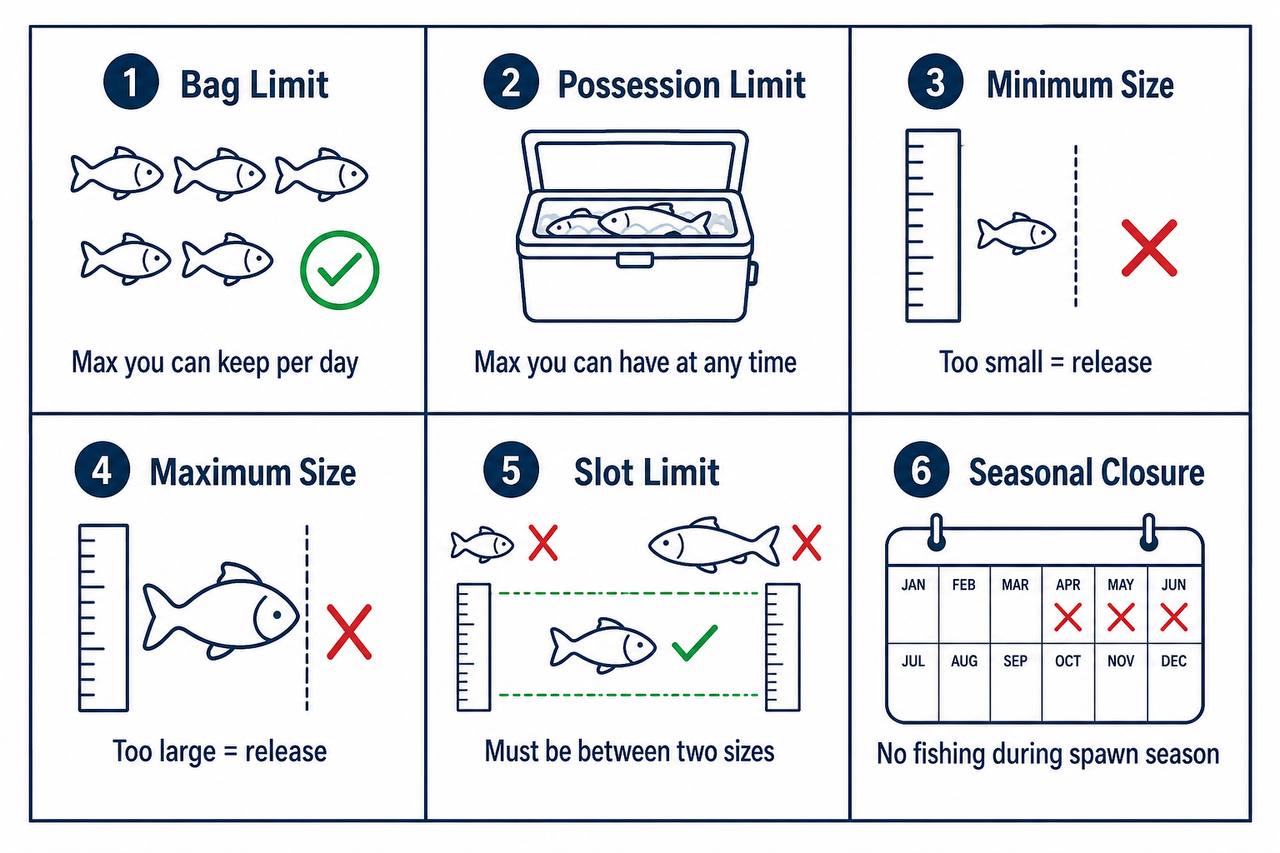
Seasonal closures — Some species or waters are closed to fishing during specific times of the year, usually during spawning season. These closures protect fish when they’re most vulnerable. If you want to understand why timing matters for different species, our seasonal fishing guide goes into more detail.
Regulations aren’t set in stone. When fish populations shift or stock assessments come back, states adjust the rules. That’s why it’s worth checking your state’s regulations at the start of each season.
Special Permits and Endorsements
Some states require extra permits on top of your base fishing license. These aren’t separate licenses — they’re add-ons that fund conservation for specific species or water types.
Trout stamps: Many states require a trout stamp or trout permit if you fish designated trout waters or want to keep trout. These stamps fund trout habitat restoration, stocking programs, and cold-water fisheries management. Even if you don’t keep the trout, you often still need the stamp just to fish those waters.
Saltwater endorsements: In coastal states, a freshwater license doesn’t cover saltwater fishing. You may need a separate saltwater license or endorsement on top of your freshwater license. In Florida, you can buy both as a combo for $32.50, or purchase them separately for $17 each.
Species-specific tags: Some states require tags for certain species. Texas requires red drum and spotted seatrout tags for saltwater anglers. Washington state requires a Columbia River salmon and steelhead endorsement if you fish those waters.
If you’re not sure whether you need an extra permit, check your state’s wildlife agency website. The license purchase page will always list what’s required for the waters and species you’re targeting.
What Happens If You Fish Without a License
This isn’t about scare tactics — it’s about being honest about the consequences. Conservation officers check licenses regularly at launch ramps, on the water, and at fishing tournaments.
Fines for fishing without a license range from $50 to $500 or more for a first offense, with $75–$150 being the typical range. In Virginia, it’s a Class 3 misdemeanor. In Texas, it can carry a fine up to $5,000 and up to one year in jail for repeat offenders.
You can also lose your fishing gear. Equipment confiscation is a real penalty in many states. And a permanent violation record can prevent you from getting a fishing license in the future — meaning you could be banned from fishing entirely.
The bottom line: a license costs less than a day at the movies. It’s not worth risking.
How to Find Your State’s Fishing Regulations
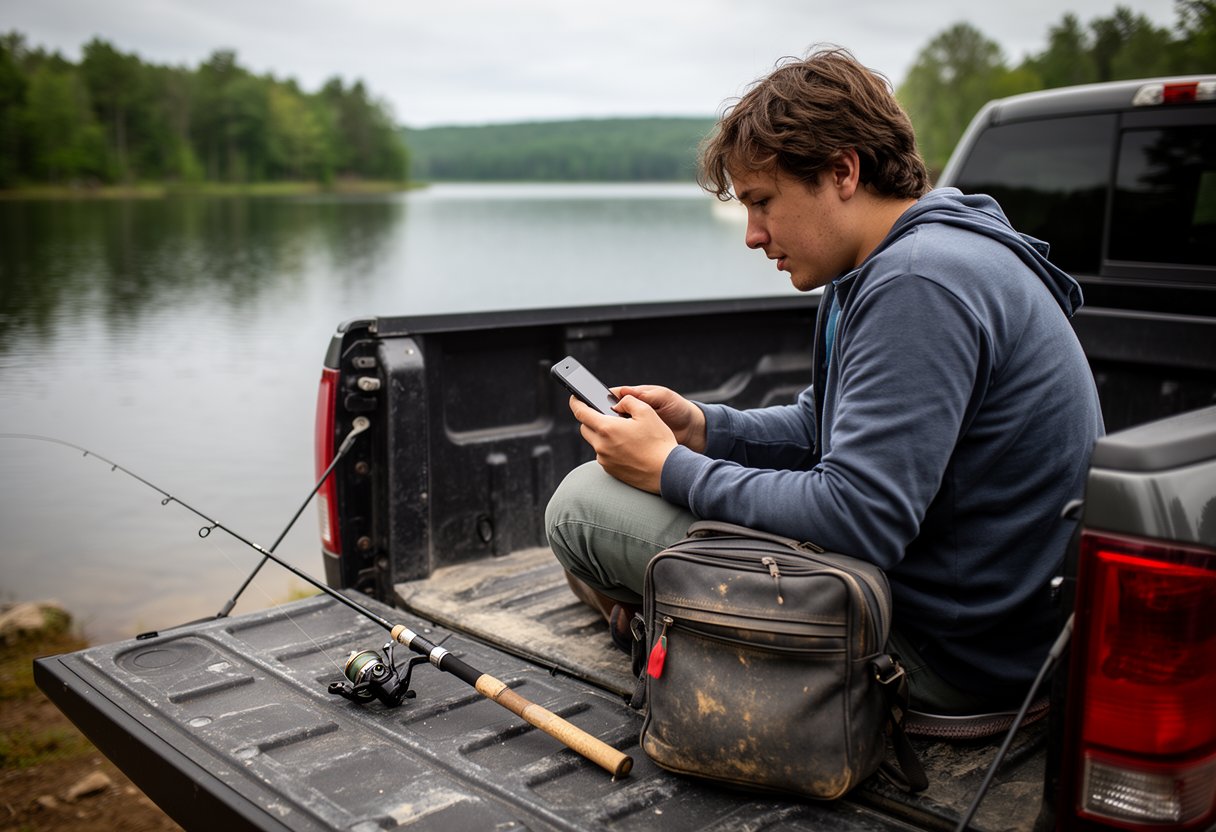
Every state publishes fishing regulations annually. Here’s how to find yours:
Step 1: Search “[Your State] fishing regulations” in your browser. Make sure the result is a .gov website — your state’s wildlife, fish and game, or natural resources agency.
Step 2: Look for the annual regulations PDF or web page. It’s updated each license year, usually in August or September. The current year’s rules will be clearly labeled.
Step 3: Inside the regulations booklet, look for these key sections:
- License requirements (who needs a license, exemptions, costs)
- Size limits (minimum and maximum lengths for each species)
- Bag limits (daily catch limits for each species)
- Open seasons (when each species can be legally fished)
- Special rules (waters with unique regulations, slot limits, or closures)
Step 4: Many states have free apps with regulations built in. Download your state’s fishing app and keep the regulations handy on your phone.
Step 5: Third-party sites like eRegulations.com and FishTrack make state regulations searchable and easier to navigate. They’re free and updated regularly.
Pro tip: Bookmark your state’s wildlife agency page and check it each season. Rules can change when fish populations shift, and you want to be current before you head out. Taking five minutes to check your state’s current regulations is the best way to avoid costly mistakes.
If you’re just getting started and want a broader introduction to your first trip, our beginner fishing guide walks you through your first trip from start to finish.
Quick Reference: Key Terms at a Glance
| Term | What It Means |
|---|---|
| Bag limit | Maximum number of fish of a species you can keep in one day |
| Possession limit | Maximum number of fish you can have at any time (usually 2–3x the bag limit) |
| Minimum size limit | Fish below this length must be released |
| Maximum size limit | Fish above this length must be released |
| Slot limit | Fish must be between two sizes — both too-small and too-large fish released |
| Seasonal closure | No fishing for a species during certain months (usually spawning season) |
| Trout stamp | Extra permit required to fish trout waters or keep trout |
| Free fishing day | Day when a license is waived (all other regulations still apply) |
Bottom Line
Fishing licenses and regulations aren’t there to make things complicated. They’re the system that keeps fish populations healthy, lakes stocked, and fishing available for everyone — including you, on your very first trip. Get licensed, check your state’s rules before you go, and you’ll be set.
Now go catch something.