
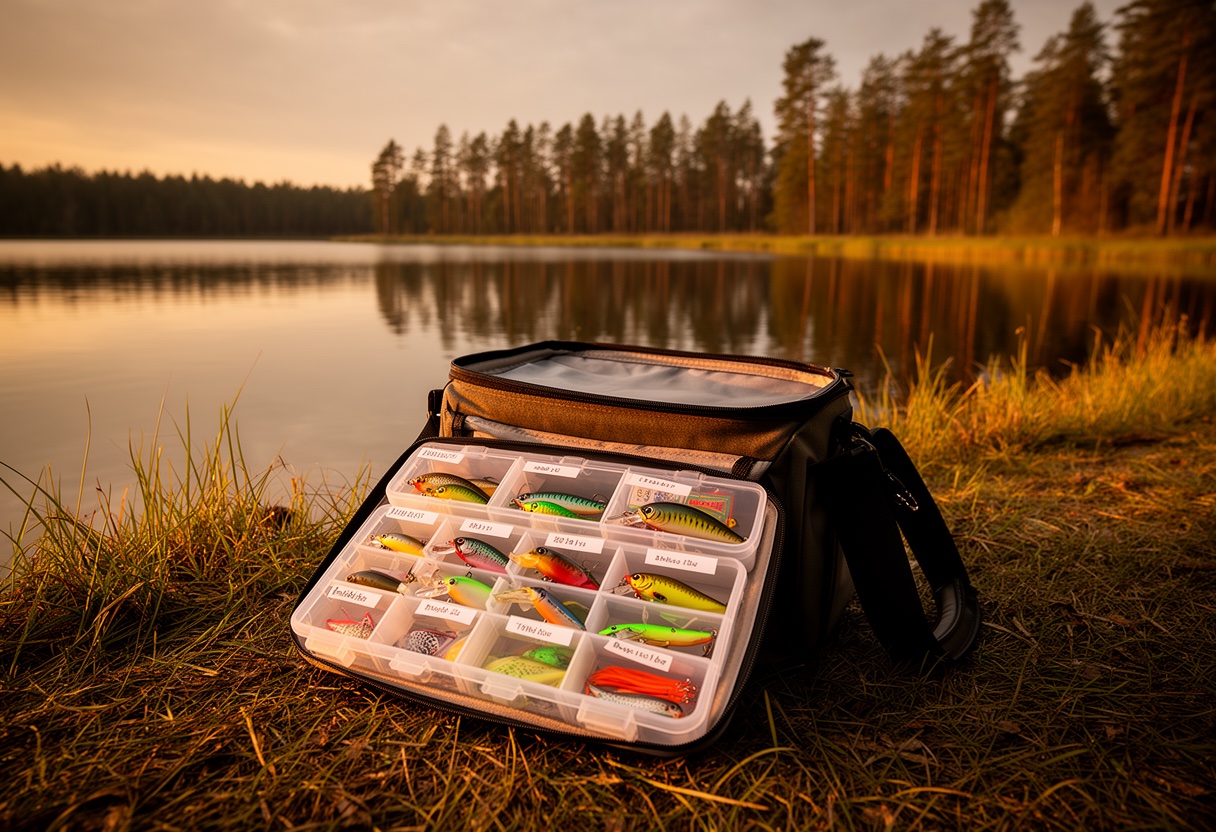
If you’ve been fishing for a few months, your tackle box probably looks like something exploded in it. You’ve got four packs of worms that all look identical, two crankbaits you forgot you bought, a handful of hooks you can’t tell apart, and pliers that seem to vanish every trip. It’s the most common problem beginner anglers run into — and it takes about twenty minutes to fix.
A simple organization system saves you time at the water, stops you from buying duplicate lures, and means you actually use the tackle you already own. Here’s how to set one up without spending much.
Why Your Tackle Box Is a Mess (And Why It Matters)
Most beginners don’t start with a system. You buy a lure at the tackle shop, drop it in the nearest tray, and repeat. After a half-dozen trips to the water, every tray is a jumble. At the bank, you spend ten minutes digging through boxes instead of casting. Worse, you buy the same lures over and over because you can’t remember what you already have.
An organized tackle box isn’t about looking professional. It’s about getting on the water faster and wasting less money.
Choose Your Storage System
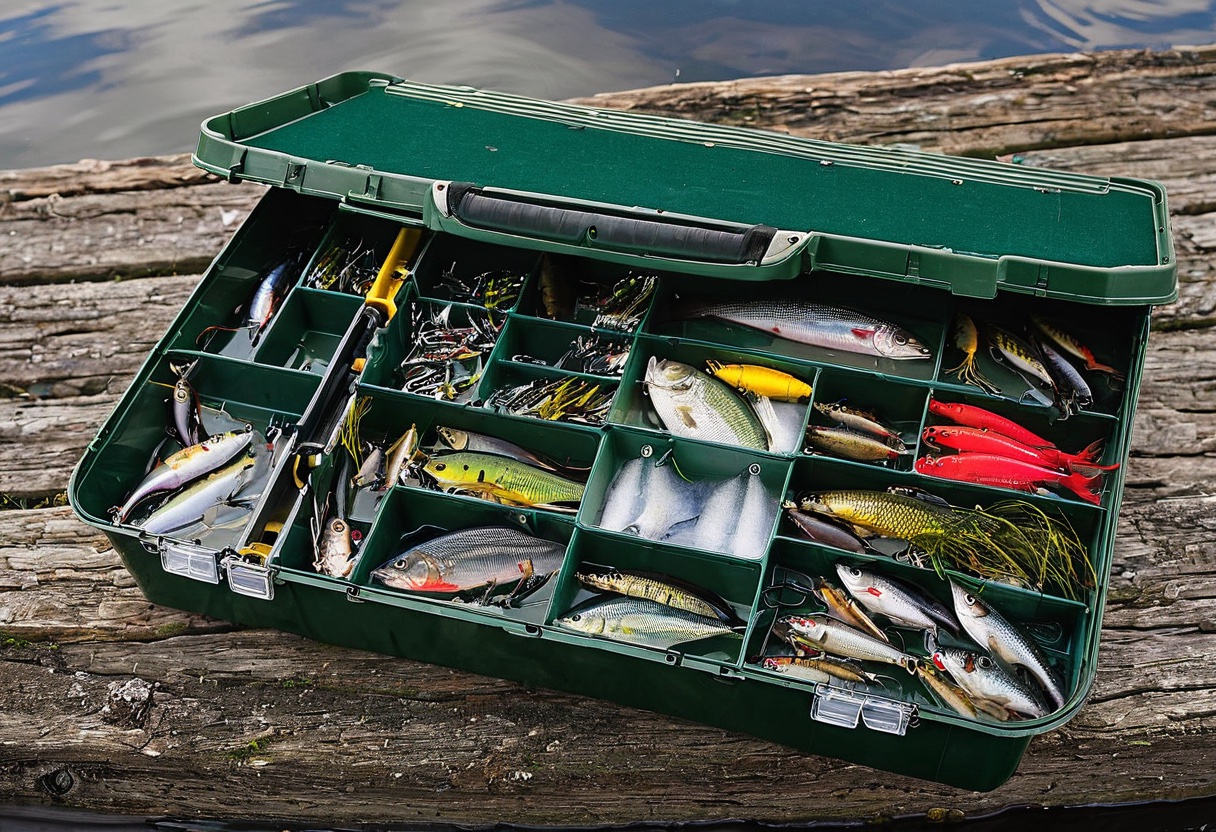
Before you organize, make sure you have the right container for how you fish. There are three main options:
- Tackle box (hard-sided, stacked trays): Best for boat or kayak anglers. The trays latch shut, so tackle won’t spill if you tip over. Bulky to carry by hand.
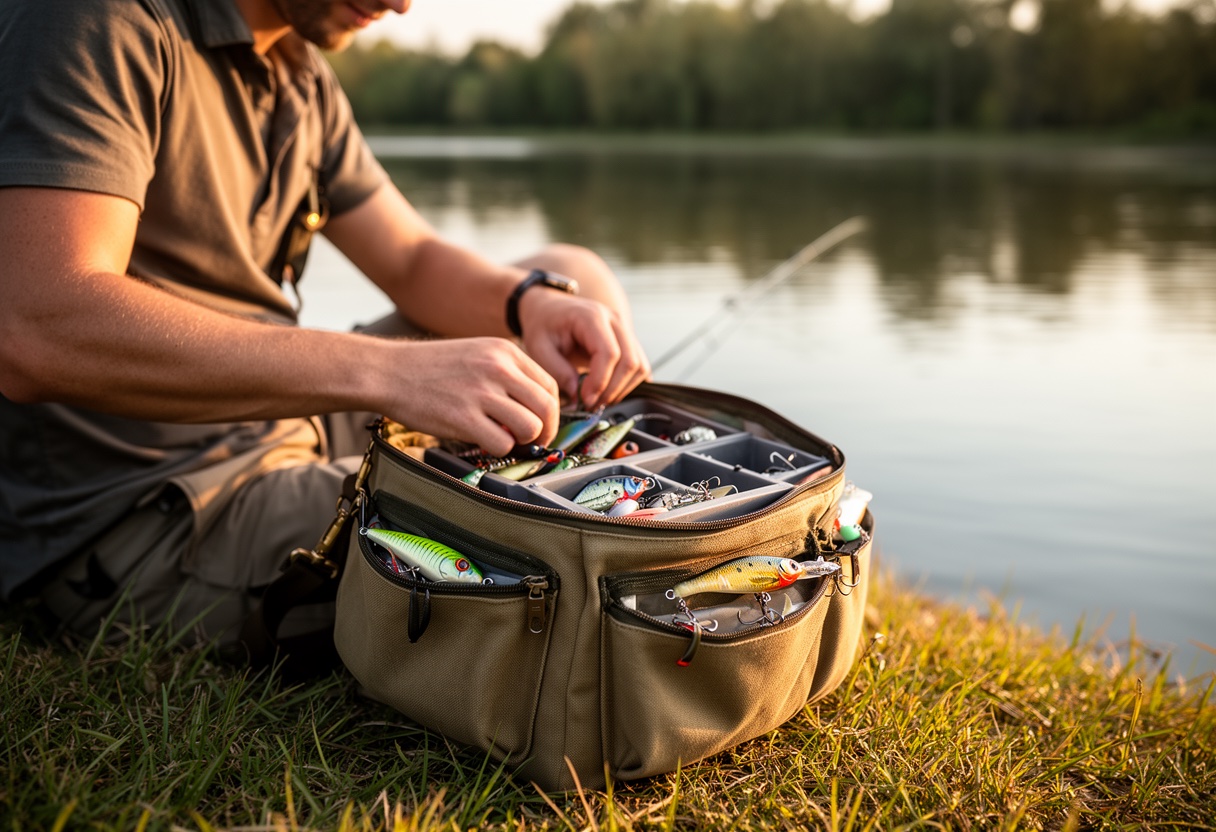
- Tackle bag (soft canvas with pockets and a main compartment): The most versatile option. Holds boxes, loose items, and tools. Fits easily in a backpack or car trunk.
- Backpack tackle system (hands-free with integrated rod holders): Ideal for bank fishing. Frees up your hands for carrying rods, a cooler, or a child’s hand.
If you’re just getting started, a soft-sided tackle bag is the easiest choice. You can always add hard trays inside it as your collection grows.
The Category System (Organize by What It Is)
The simplest organization method for beginners is to sort tackle by category. Give each category its own tray or pocket, and resist the urge to mix things together.
Hard baits go in one tray — crankbaits, jigs, spinnerbaits, and topwater plugs. Group similar lures next to each other (all crankbaits together, all jigs together). If you fish for different species, you can add a second layer within the tray by putting bass lures on one side and panfish lures on the other.
Soft plastics get their own container. This is non-negotiable — soft plastics from different brands often contain chemicals that react with each other, causing baits to melt, discolor, or bleed dyes into neighboring packs. More on that in the next section.
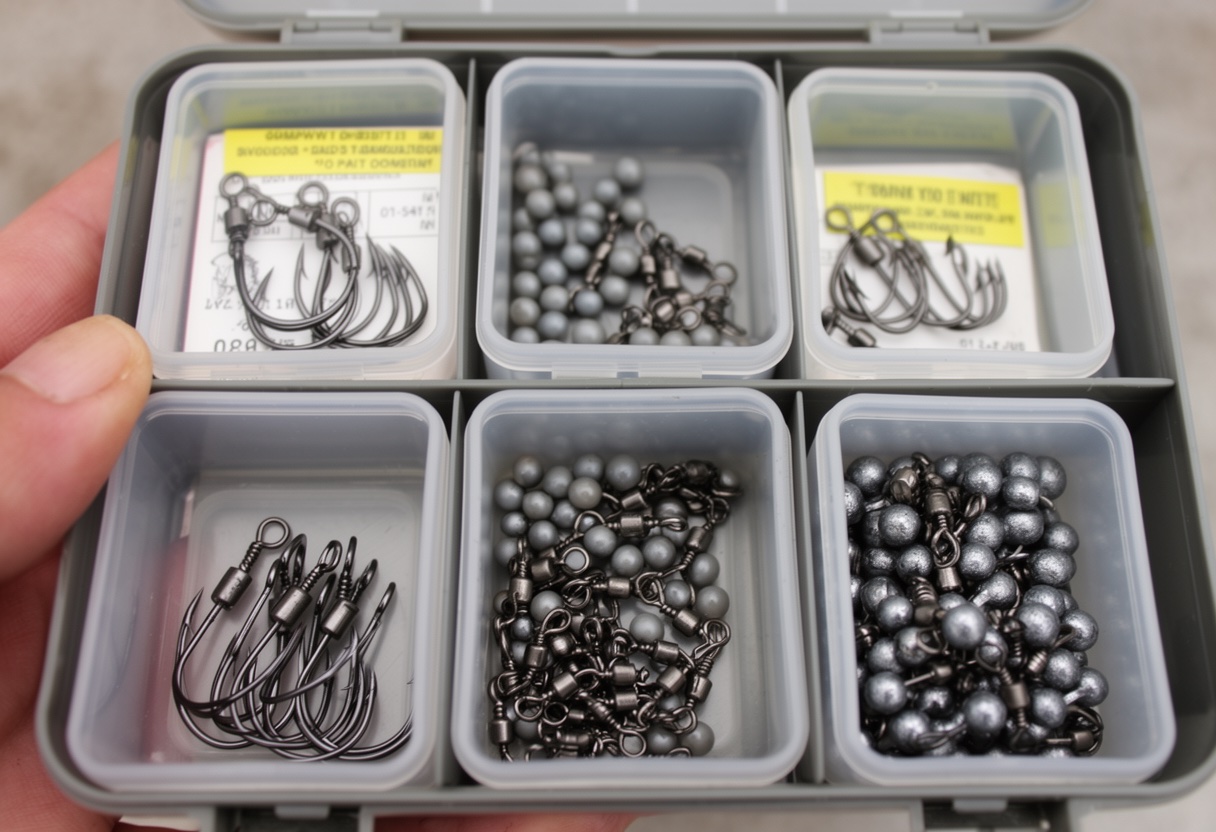
Terminal tackle (hooks, weights, swivels, beads) belongs in a small box with dividers. These are the pieces that disappear into the weeds if you leave them loose in a big tray.
Tools and accessories (pliers, line cutters, spare line, headlamp) go in a dedicated pocket or zippered compartment. You want these accessible without digging through your lures.
This system works whether you have five lures or fifty. As your collection grows, you simply add trays — you don’t have to redesign your whole setup. For a list of what to buy first, see our starter tackle box checklist.
Storing Soft Plastics Right (They Can Melt Together!)
Here’s something most beginner anglers learn the hard way: soft plastic baits from different manufacturers can chemically react. Leave a pack of worms next to a pack of tubes from a different brand, and the worms may soften into a goop or the tubes may change color within a week.
The fix is simple:
- Keep baits in their original packaging whenever possible. The sealed plastic bags manufacturers use are designed to protect the baits.
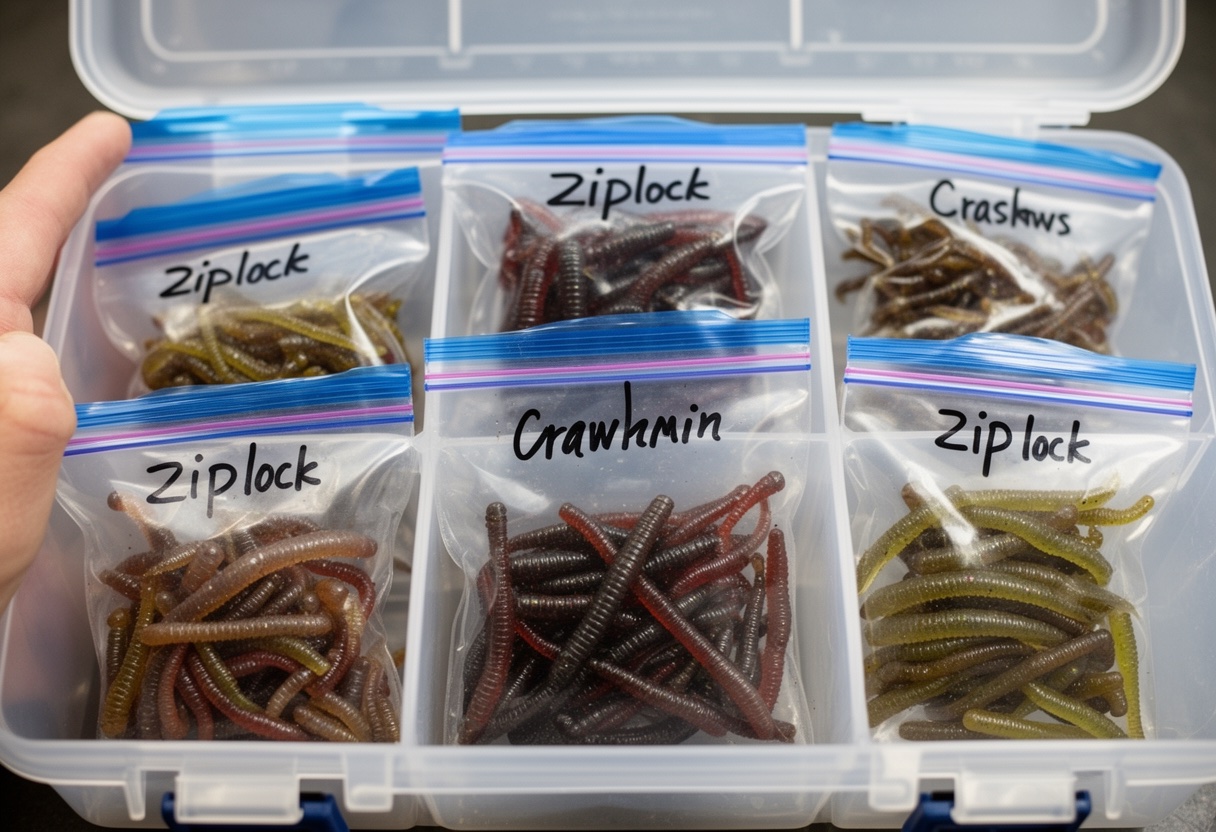
- Group the same type together. All worms in one bag or tray, all craws in another, all grubs in a third.
- Use labeled Ziplock bags as a budget-friendly organizer. Write “worms,” “craws,” “tubes,” etc. on each bag with a Sharpie. This costs pennies and works as well as any branded organizer.
- Upgrade to a soft bait binder when you’re ready. These keep baits in their original shape and prevent warping. They’re worth the investment if you’re carrying more than ten packs of soft plastics.
Terminal Tackle That Doesn’t Get Lost
Hooks, split shot, swivels, and beads are small enough to vanish between tray cracks. Here’s how to keep them found:
- Leave hooks in their original packaging. Bulk packs fit on their side in a deep tackle tray, and the package label tells you the size and type at a glance.
- Use small plastic containers for tiny items. Pill-style containers or small plastic jars work great for swivels, beads, and split shot. You can pick up a multipack of these for a few dollars.
- Pre-tie rigs and store them. If you rig the same setup repeatedly (like a Texas rig for bass), tie three or four at home and store each one in a labeled Ziplock bag. At the water, you pull one out and go.
- Keep a spare line spool in the same box. A 100-yard spool of 10-pound test covers most freshwater situations.
Labeling and Keeping It Maintainable
Labels are the difference between a system that lasts and one that falls apart after two trips. Use a label maker if you have one. If not, masking tape and a permanent marker works just as well — stick the tape on the tray edge and write on it.
Label by category at minimum: “Hard Baits,” “Soft Plastics — Worms,” “Hooks,” “Weights.” If a tray is divided further, add sub-labels: “Crankbaits” and “Jigs” on opposite sides.
Review and purge your tackle at least once per season. Toss lures with damaged hooks, faded paint, or cracked plastic. Keep what you’ve actually caught fish on. Most beginners don’t need more than 15–20 hard baits and 8–10 packs of soft plastics to cover the majority of fishing situations. If you’re watching your budget, see our guide on fishing without spending a fortune.
What to Bring (And What to Leave at Home)
An organized tackle box is useless if you bring the entire thing everywhere. The most common beginner mistake is packing every lure you own and then spending the whole trip using three of them.
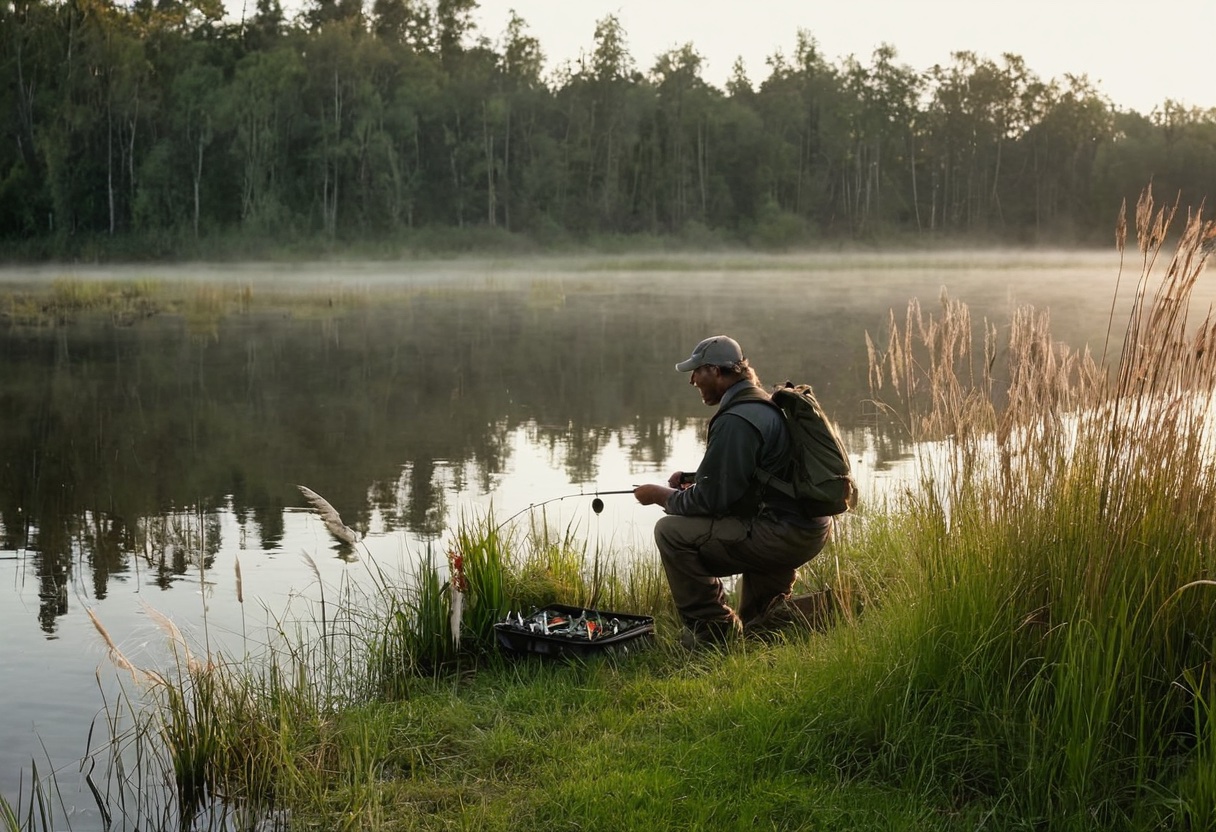
Pick your tackle based on the water and species you’re targeting. A small pond with panfish? Bring two packs of worms, a couple of small jigs, and a handful of split shot. A lake for bass? Pack crankbaits, a Texas-rigged worm, and some spinnerbaits. You don’t need everything — you need the right few things.
Rotate your bait selection by season, not by mood. In spring, fish shallow-running crankbaits and soft plastic worms. In summer, switch to deeper-diving lures and slower presentations. In fall, go back to topwater and active retrieves. A seasonal system means you’re not guessing — you just swap out a tray.
A tackle box that takes twenty minutes to organize saves you hours of frustration over the fishing season. Start with the category system, label everything, and leave the duplicates at home.