
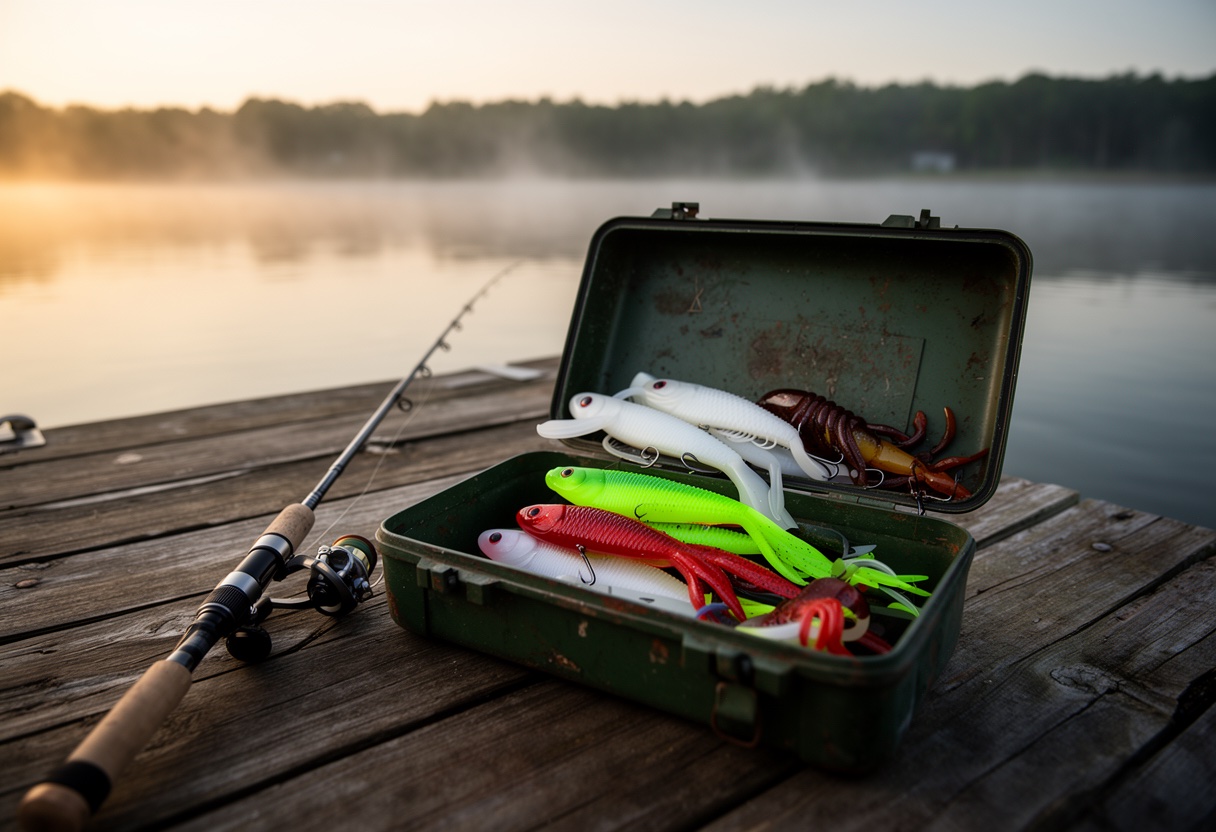
You’ve probably heard that swimbaits are among the best lures for catching big bass. They’re versatile, work across seasons, and imitate the baitfish that predatory fish naturally hunt. But if you’ve ever stood in the tackle aisle staring at rows of paddle tails, hollow bodies, and creature baits in a dozen sizes and colors — you know exactly where the confusion starts.
With so many types, rigging methods, and retrieval techniques, where does a beginner even begin? This guide walks you through everything you need to know to start catching fish with swimbaits, from choosing your first bait to mastering the retrieve.
What Is a Swimbait and Why Do They Work?
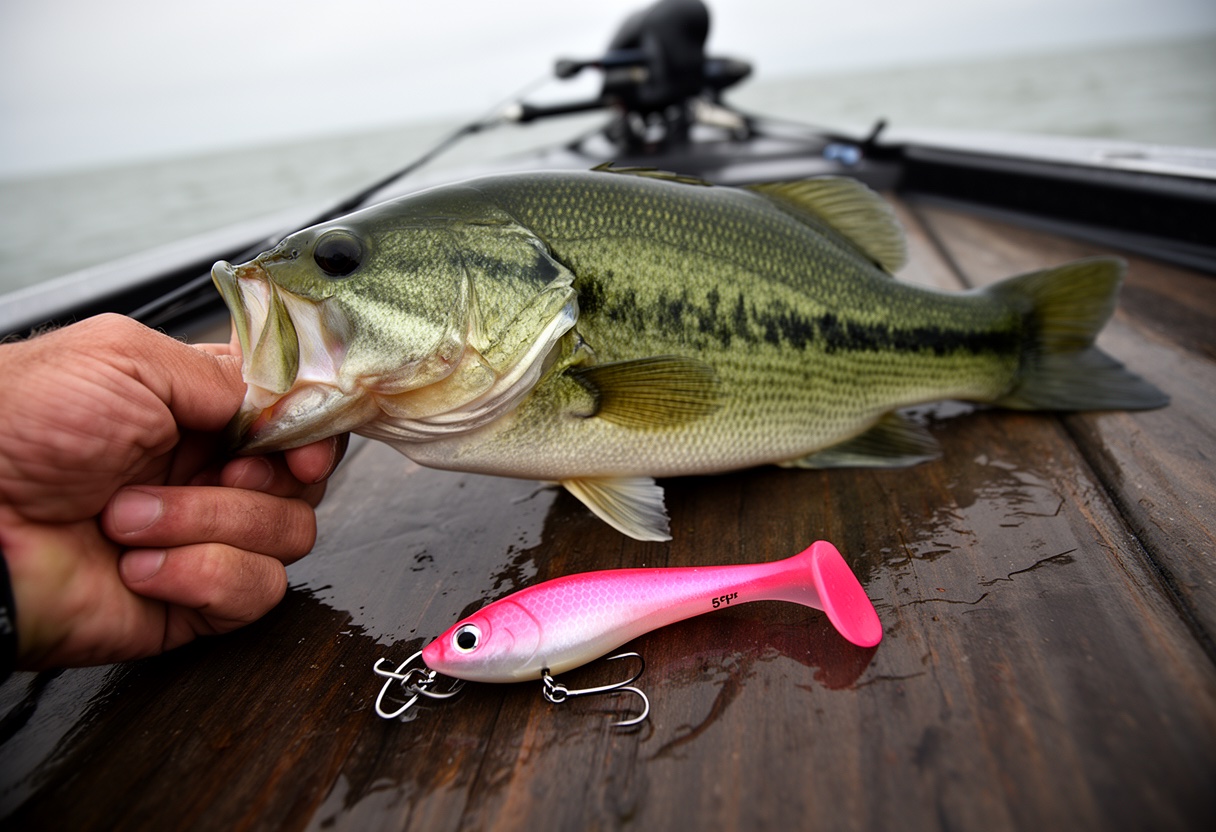
A swimbait is a fishing lure designed to look and move like a swimming baitfish — the small fish that bass, walleye, pike, and other predators feed on. What makes a swimbait different from other soft plastics is its tail. While a grub wiggles, a worm undulates, and a craw scuttles along the bottom, a swimbait’s paddle-shaped or finned tail creates an S-curve swimming motion that mimics a live minnow, shad, or crayfish darting through the water.
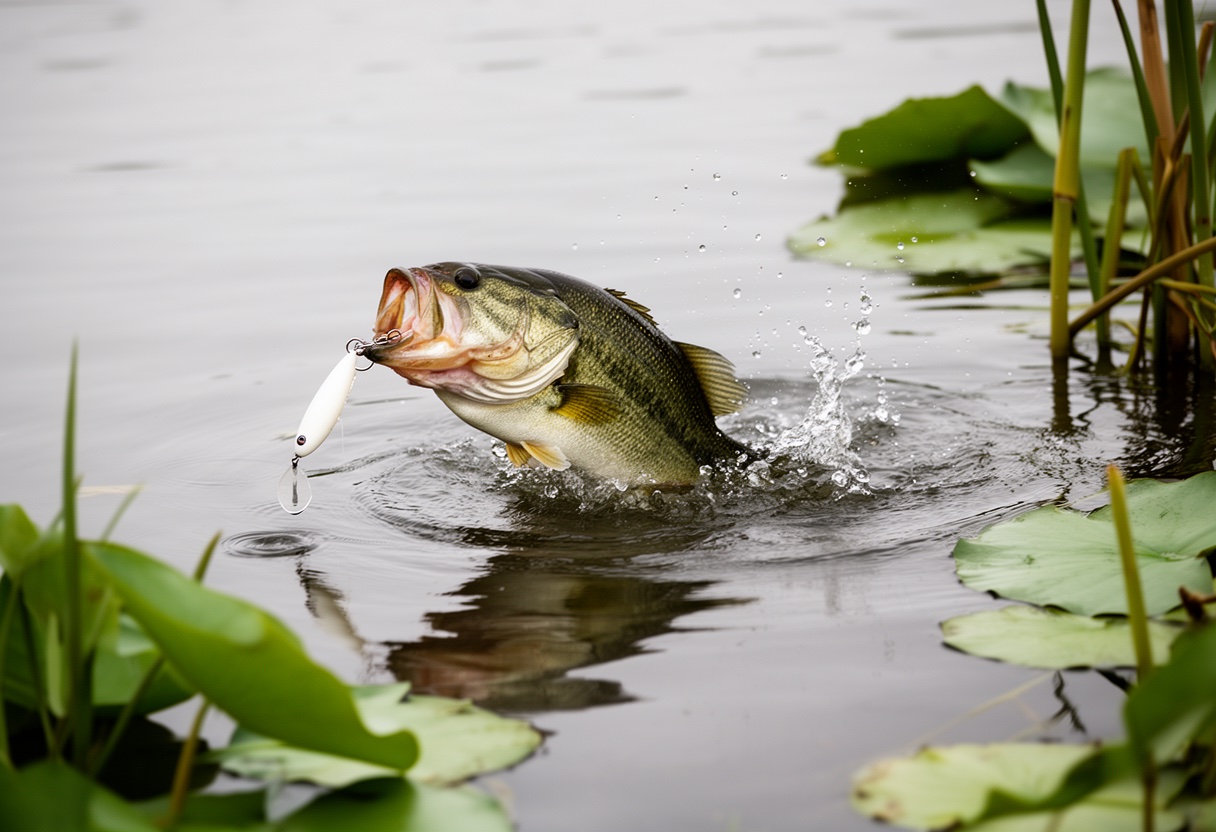
That swimming action is what triggers strikes. When a bass sees a swimbait moving through its territory, it doesn’t always recognize it as a lure. The bait looks like food that’s either swimming away or — depending on your retrieve speed — injured and easy to catch. Swimbaits typically trigger what anglers call “chase bites,” where the fish follows the lure for a moment before striking, rather than the ambush strikes you get with bottom baits.
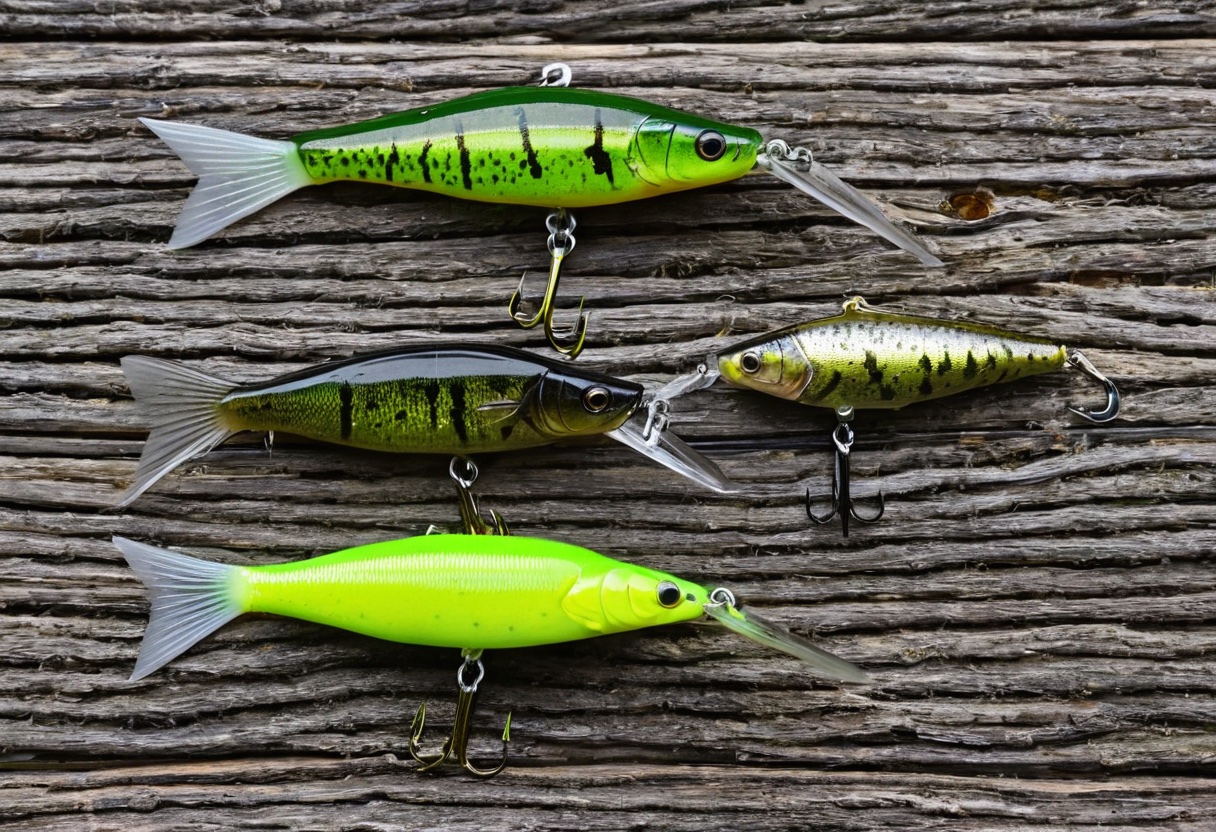
Swimbaits come in two broad categories: soft plastic and hard body. Hard body swimbaits are typically multi-jointed crankbait-style lures with realistic fish profiles, and they’re great for covering large areas of water. This guide focuses on soft plastic swimbaits — they’re more affordable, more versatile, and much easier for beginners to learn with.
Types of Soft Plastic Swimbaits
Not all swimbaits are created equal, and understanding the main types will help you pick the right one for your situation.
Paddle tail swimbaits are the most versatile and the best starting point for beginners. They feature a flat, paddle-shaped tail that creates a strong side-to-side swimming action when retrieved. Paddle tails come in solid and hollow-body construction. A solid-body paddle tail swims with a smooth, restrained roll that looks highly realistic — especially in clear water where subtle presentation matters. A hollow-body paddle tail, on the other hand, kicks and shimmies more aggressively with an erratic, attention-grabbing motion that works well in stained water or when you need to get a fish’s attention.
Hollow-body swimbaits are a self-contained lure — they have built-in weight and treble hooks molded into the tail section, so you don’t need to rig them on anything. You simply cast and retrieve. Popular examples include the Rage Swimmer and Z-Man Chatter Trap Swimmer. They typically run $2 to $4 each compared with $0.50 to $1.50 for paddle tails, but they’re very durable and the treble hooks are effective at catching fish that bump or bat at the bait without committing to a full strike.
Creature-style swimbaits have extra appendages — claws, trailers, or fins — that create additional vibration and water displacement. They tend to have a wider body roll combined with a tail kick, producing a flashy, multi-dimensional action. The Keitech Swing Impact FAT is one of the most popular creature-style swimbaits. They excel around cover, in murky water, or when fish are feeding aggressively.
For a beginner, start with a 4- to 5-inch paddle tail. It’s the easiest to rig, the most forgiving to fish, and effective in nearly every freshwater situation.
Choosing the Right Swimbait Size
Swimbait size matters more than most beginners realize, and there’s a general rule: bigger swimbaits typically catch bigger fish, but they don’t always catch more fish.
3- to 4-inch swimbaits are lighter, easier to cast, and better suited for pressured water where fish have seen a lot of lures. They also work well in shallow water or when fish are feeding on smaller baitfish. Use a 1/8- to 3/16-ounce jig head with these sizes.
4- to 6-inch swimbaits are the sweet spot for most beginners. They’re still easily castable on standard spinning or baitcasting gear, create enough profile to attract larger fish, and work effectively across a wide range of depths and conditions. Pair a 4- to 5-inch paddle tail with a 3/16-ounce jig head, and a 6-inch with a 1/4-ounce head. If you’re looking at reel options for handling larger baits, our guide to choosing a fishing reel covers what works best for different lure weights.
6-inch and larger swimbaits are for targeting trophy-size fish. They require heavier rods, stronger line, and bigger reels. They’re also harder to cast accurately and more likely to spook wary fish in clear, shallow water. Save these for when you’ve mastered the basics and are specifically hunting for large bass or pike.
How to Rig a Swimbait — The Jig Head Method
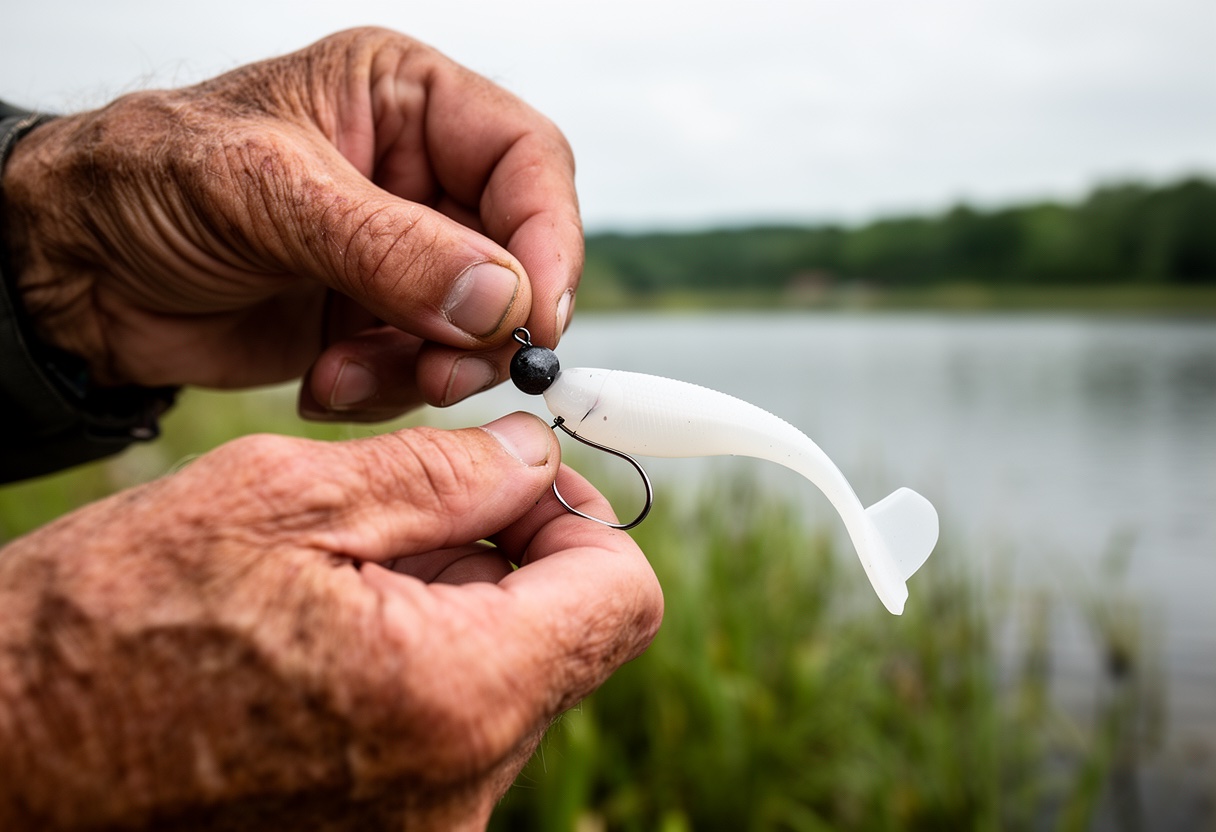
The simplest and most common way to rig a soft plastic swimbait is on a jig head — a weighted hook with a small round or oval head. This is arguably the easiest rigging method, and it’s what you should learn first.
Here’s how to do it:
1. Select your jig head. For a 4- to 5-inch paddle tail, a 3/16-ounce jig head with a size 2 or 3/0 exposed hook is a solid starting point. The hook should be long enough that the soft plastic sits straight on the shank without bending.
2. Thread the bait. Push the hook point through the nose (front end) of the swimbait. Feed the soft plastic down the hook shank until the back end of the bait sits just against the weighted head. The bait should sit perfectly straight on the hook — if it’s bent or twisted, it won’t swim correctly in the water.
3. Check the alignment. Hold the jig head up and look down the length of the bait. The tail should be centered and straight. A crooked swimbait will swim in circles or wobble unnaturally, which reduces its effectiveness.
Jig head weight selection guide:
| Bait Size | Starting Weight | Lighter For | Heavier For |
|---|---|---|---|
| 3-3.5 inch | 1/8 to 3/16 oz | Shallow water, pressured fish | Wind, deep water |
| 4-5 inch | 3/16 oz | Clear water, finesse | Current, cover fishing |
| 6 inch | 1/4 oz | Spring shallow spawning | Fall deep water |
Heavier jig heads sink faster and cast farther, but they also make the bait swim deeper and require a faster retrieve to keep the tail kicking. Lighter heads give a more subtle, slower presentation. There’s no one-size-fits-all rule — match the weight to your water depth and conditions.
Other rigging methods exist — belly-weighted swimbait hooks for more balanced swimming, wire rigs for large 7+ inch baits, and tube rigs for a different action — but they’re better to explore after you’ve gotten comfortable with jig heads.
Retrieval Techniques — How to Fish a Swimbait
Getting the swimbait into the water is half the battle. How you retrieve it determines whether fish notice it, chase it, and strike. Here are the core techniques, starting with the most important.
The slow roll is the fundamental swimbait retrieve and the one you should master first. Cast your bait to your target area, let it sink to your desired depth, and begin a slow, steady retrieve — just fast enough to make the tail kick. You should be able to see the bait darting side to side beneath the surface if you’re fishing shallow, or feel a subtle pulsing vibration through your line if fishing deeper. This retrieve works for covering water and finding active fish, and it’s effective in nearly every situation.
The burn is a fast retrieve that makes the swimbait dart and zigzag erratically through the water. It’s designed to trigger reaction strikes — aggressive, instinctive hits from fish that see the bait and react without thinking. Burn your swimbait across shallow flats, along weed lines, or around docks when fish are actively feeding. This technique works best in warmer water when fish are more aggressive.
The pause-and-go adds variation to the slow roll. Retrieve steadily for a few seconds, then stop reeling for a moment while keeping line tension. During the pause, the swimbait sinks slightly and quivers as the current or residual movement affects it. Many strikes happen during this pause phase, especially from cautious or suspended fish that wait for the bait to slow down before committing.
Bottom bouncing uses a heavier jig head to get the swimbait down to the bottom, then retrieves it slowly along the substrate. Pop the rod tip occasionally to make the bait hop or bounce off the bottom. This is effective near rock ledges, drop-offs, or any structure where baitfish hold close to the bottom.
The most common beginner mistake: Retrieving too fast. When you reel too quickly, the paddle tail doesn’t have time to fully kick — it just flaps stiffly and looks unnatural. Retrieving too slowly is the opposite problem: the bait sinks out of the strike zone and sits on the bottom. Start with a moderate slow roll and adjust from there.
When and Where to Use Swimbaits
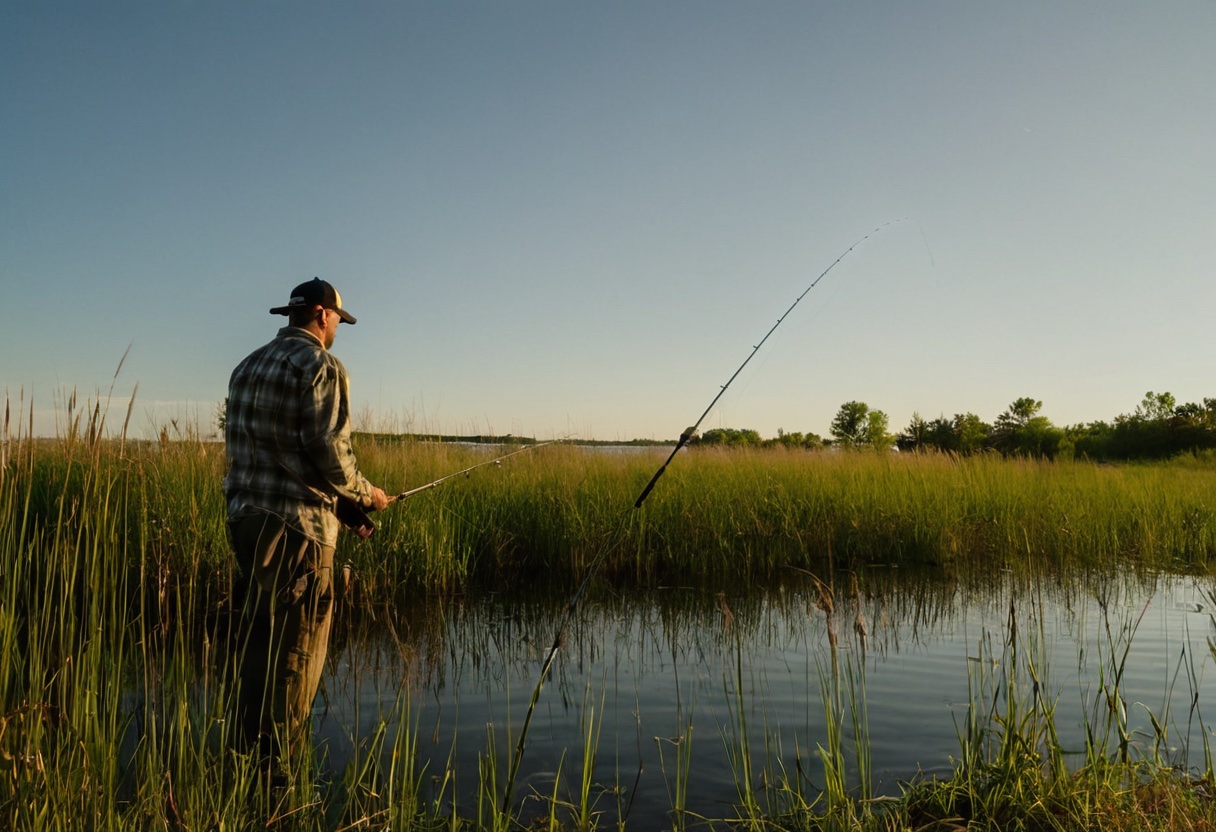
Swimbaits are among the most versatile lures in freshwater fishing, and they’re effective across seasons and locations.
Spring and early summer are prime swimbait seasons. As water warms, baitfish like shad and minnows become active near the surface and along shallow flats. Swimbaits imitate these foraging baitfish perfectly, and bass move shallow to feed on them.
Fall is another excellent time. As water cools, baitfish schools concentrate in specific areas, and bass follow. A swimbait that matches the local baitfish profile — whether that’s a white shad imitator or a darker minnow pattern — can produce consistent bites.
Water clarity matters. In clear water, use solid-body paddle tails with a subtle, realistic swimming action and natural colors like white, silver, or ghost. In stained or murky water, switch to hollow-body or creature-style swimbaits with more aggressive action and brighter colors like chartreuse, orange, or black and blue.
Where to throw them: Open water near drop-offs, along weed edges, around docks and laydowns, shallow flats, and creek channels are all productive swimbait spots. If you’re looking for help identifying where baitfish — and the bass eating them — tend to hold, our guide to reading water for fishing covers the key features to target.
Common Beginner Mistakes to Avoid
Beyond retrieving too fast, here are the other mistakes that cost beginners the most fish:
- Using a jig head that’s too heavy. A heavy head kills the natural swimming action of the bait. The paddle tail needs room to kick freely, and excess weight restricts that movement.
- Not letting the bait reach the right depth. If you start reeling the moment the swimbait hits the water, you’re fishing it in the top few inches when the bass may be holding 6 feet down. Let it sink for a few seconds before you start retrieving.
- Fishing at only one speed. Varying your retrieve — slow roll, pause, burn, then slow roll again — covers more water and triggers different types of strikes. Fish that ignore a steady retrieve often hit during a pause or a speed change.
- Starting with expensive hollow bodies. It’s tempting to buy the most realistic, expensive swimbait on the shelf. But a $3 hollow-body swimbait is a lot of pressure to learn on. Master jig head rigging with affordable paddle tails first, then graduate to hollow bodies once you understand how to fish the presentation.
Swimbaits are a natural next step if you’ve already been fishing with basic soft plastics like worms and grubs. Our complete guide to soft plastic baits covers the fundamentals that will make learning swimbaits even easier.
Conclusion
Swimbaits are among the most versatile and effective lures a beginner angler can learn. Start with a 4- to 5-inch paddle tail on a 3/16-ounce jig head, master the slow roll retrieve, and practice in open water before moving into cover. As you gain confidence, experiment with sizes, colors, retrieval speeds, and different swimbait types. The learning curve is relatively gentle, and the payoff — consistent bites from quality fish — makes it well worth the effort.