
You’ve bought your rod, tied on a line, and now you’re staring at your calendar wondering where to actually go. Planning your first fishing trip can feel like solving a puzzle — you need the right spot, the right time, the right gear, and you need to follow the rules. This article walks through each decision step by step so you can stop guessing and start packing.
Decide What You Want to Catch (and Why It Matters)
The first real planning decision is what species you’re going after. This choice shapes everything else — where you go, when you go, and what bait or lure you bring. For a first trip, pick something that’s typically easy to catch. Panfish (bluegill, crappie, sunfish) are the best starting point: they bite aggressively, tolerate beginner mistakes, and are found in almost every pond and lake. Trout is a solid alternative if there’s a stocked pond nearby.
Save largemouth bass, pike, or salmon for later. They demand more specific techniques and will test your patience before teaching you anything. The goal of your first trip is confidence, not trophies. There’s no one-size-fits-all rule, but if you’re unsure, aim for panfish and you’ll rarely come home empty-handed.
For more on panfish specifically, see our panfish fishing guide.
Find a Beginner-Friendly Fishing Spot Near You
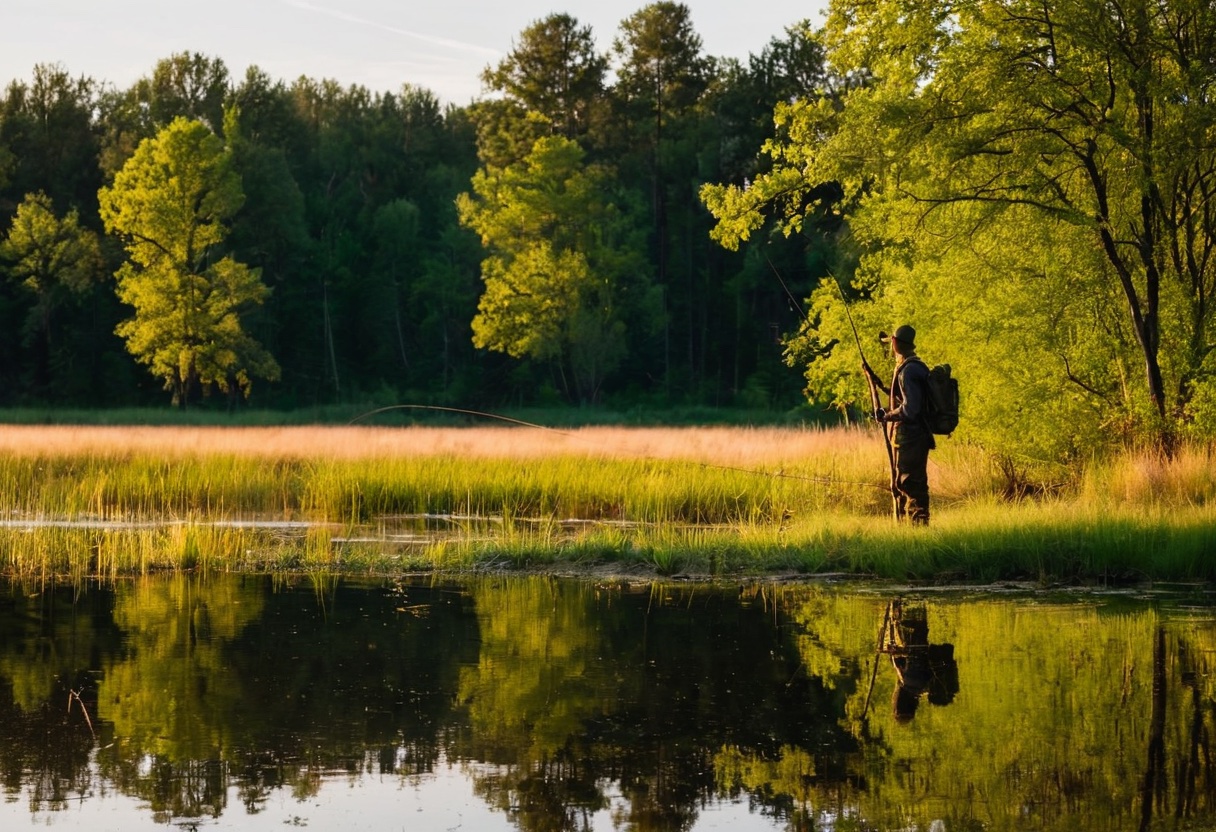
Not all fishing spots are beginner-friendly. Fast-moving rivers, deep reservoirs, and open water require skills you haven’t built yet. Start with still or slow-moving water: small ponds, community lakes, managed state park waters, and creek mouths where currents flatten out.
The quickest way to find a spot is a Google Maps search. Type “boat ramp” or “fishing access” plus your city name. Boat ramps with adjacent parking almost always mean there’s shore fishing right next to the ramp. State parks and wildlife management areas tend to have well-stocked fish and clear bank access.
Another option: download the FishBrain app (free tier works fine) and browse the recent catches near you. If people are catching fish this week, it’s a solid sign the water is active. And don’t underestimate the local bait shop — calling the one nearest to a water body and asking “what’s biting?” is the most reliable tip source you’ll find. They know which ponds are productive, which are overfished, and whether a recent stocking just happened.
Check Regulations and Get Licensed
Almost every state requires a fishing license, and fishing without one can mean a fine of $100 or more. A standard freshwater license runs $10–25 for the season and is available through your state’s fish and wildlife department website, most sporting goods stores, and increasingly on your phone through the agency’s app. Some states offer designated free fishing days each year, so check the calendar before you buy.
Licensing is the easy part. The regulations are where beginners trip up. Each water body can have its own rules: minimum size limits (you release fish smaller than this), daily bag limits (the maximum number you can keep), seasonal closures (no fishing during spawning season), and bait restrictions (some waters prohibit live bait entirely to prevent introducing invasive species).
Check your state’s fishing regulations page for the specific water you plan to visit. The rules are usually organized by lake, river, or region. Print them or screenshot them — having the info on your phone during the trip removes guesswork. Digital licenses are valid everywhere, so you don’t need a physical card.
Time Your Trip for Better Fishing
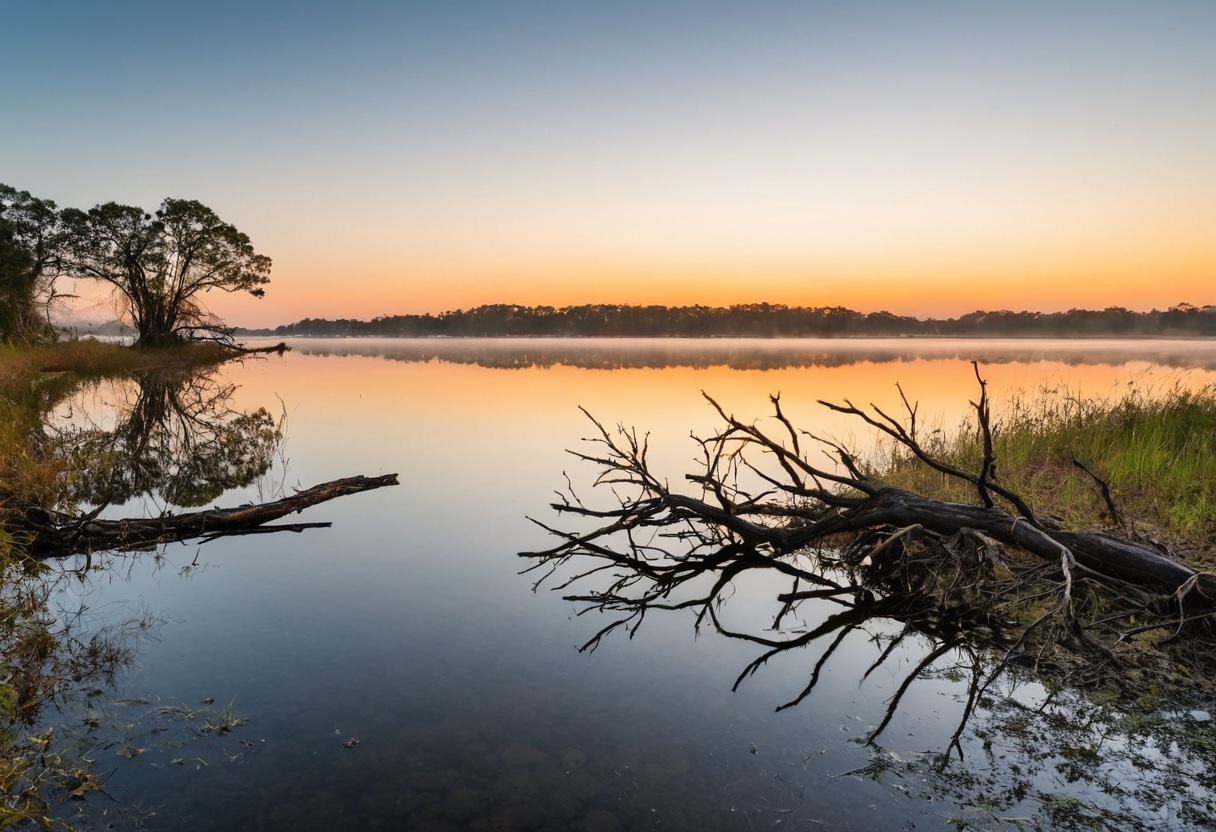
Fish aren’t equally active all day or all year. Timing your trip to match feeding patterns gives you a real advantage — especially on a first outing when every bite matters.
For seasons, late spring and early fall are the most beginner-friendly. Water temperatures are moderate, fish are feeding actively, and the weather is comfortable. If you’re fishing in summer, target early morning (before 9 AM) or late evening after sunset — the midday heat drives fish deeper where they’re harder to catch. In winter, flip that logic: midday is warmest and most productive.
Time of day matters regardless of season. Dawn and dusk are the golden windows when fish surface to feed. If you can only fish once, make it a morning trip.
Weather also plays a role. Overcast days often produce better fishing than bright, sunny ones because fish feel less exposed near the surface. A stable barometric reading is better than one swinging up or down. For a deeper dive on reading weather patterns, see our barometric pressure and fishing guide.
Plan your first trip for about three to four hours. That’s long enough to learn the rhythm of casting, baiting, and waiting, but not so long that frustration sets in.
The First-Trip Packing Checklist
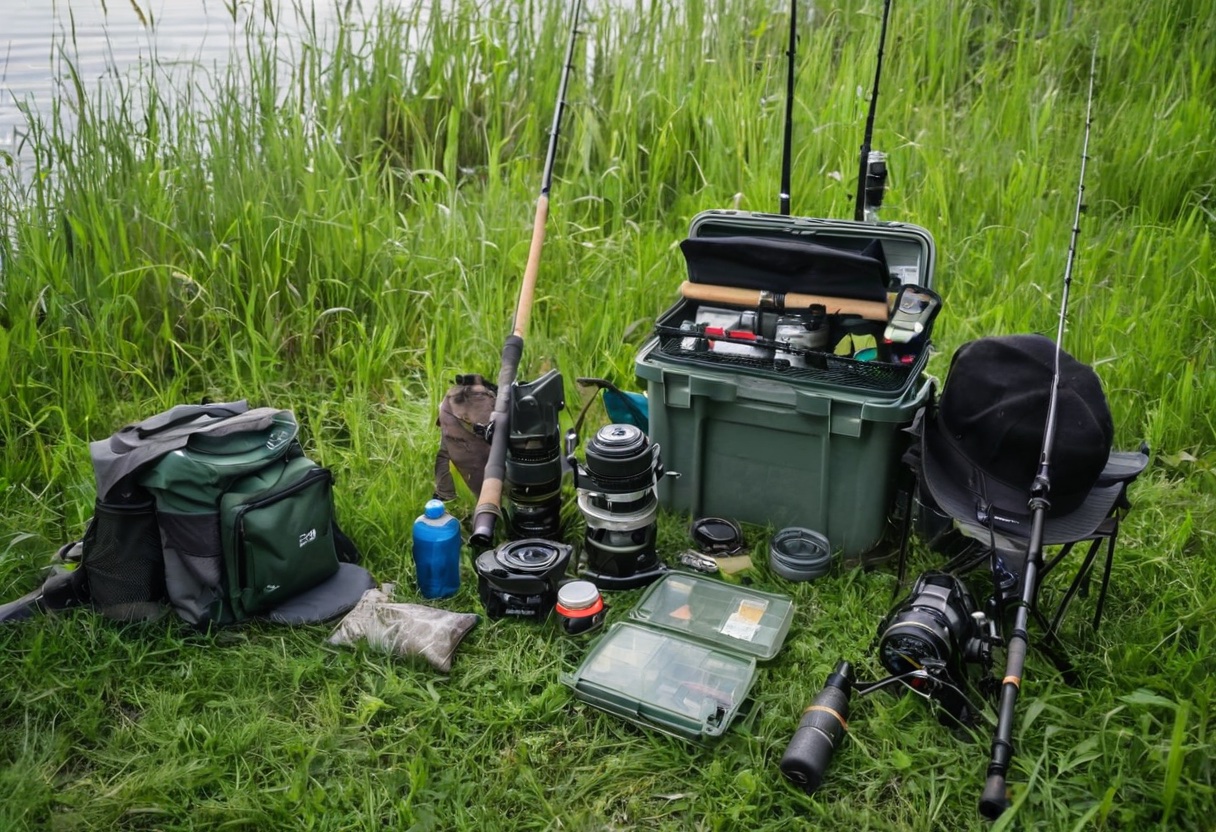
You don’t need a lot of gear, but forgetting one small item can ruin an otherwise good day. Here’s what to bring:
- Rod and reel — already assembled with line and leader tied on
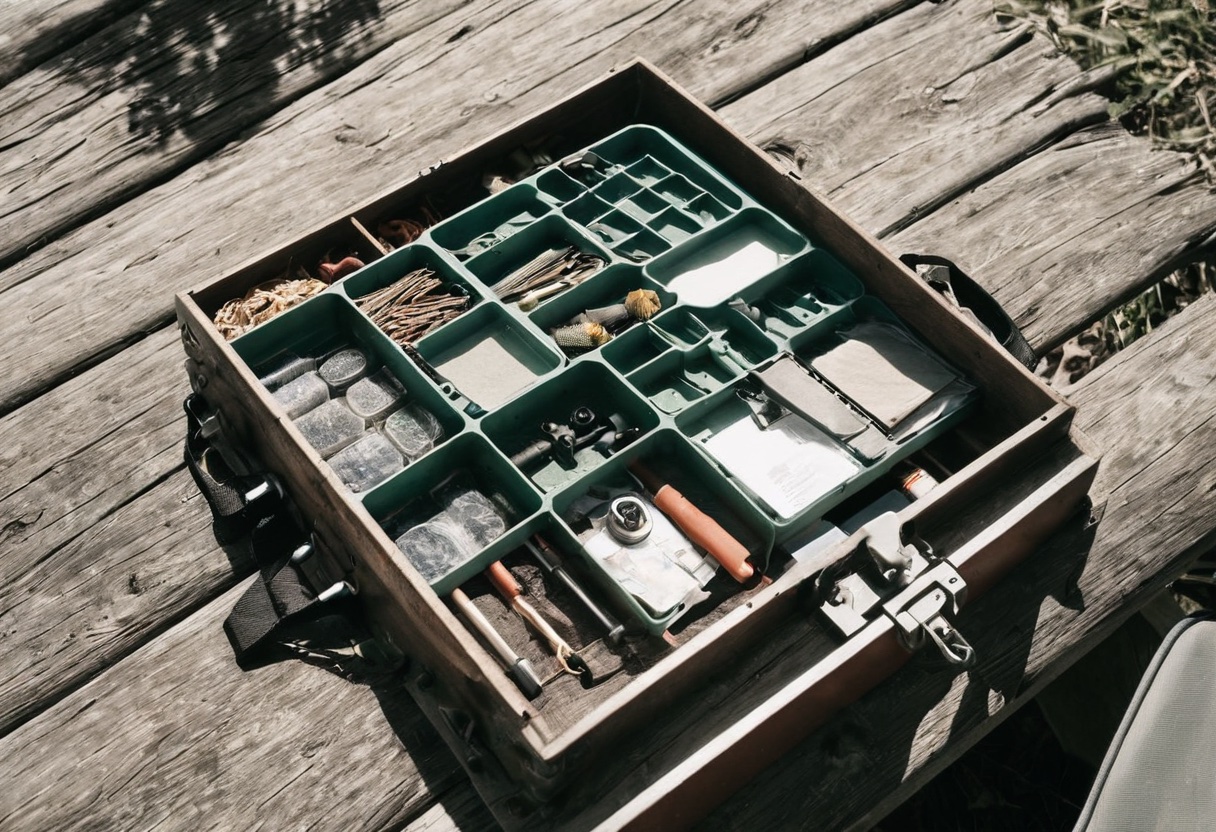
- Tackle box — basic hooks, split shot sinkers, bobbers, and swivels
- Bait or lures — matching your target species. Live earthworms work for almost any freshwater fish. Small plastic worms on a jighead cover bass and panfish alike
- Fishing pliers — for hook removal and cutting line
- Fishing license — on your phone or printed
- Sunscreen, hat, and sunglasses — polarized lenses let you see fish and structure underwater
- Water and snacks — you’ll be surprised how quickly hunger hits when you’re focused on the water
- Bug spray — if you’re near a creek, pond, or any still water, mosquitoes will find you
- Folding chair or small stool — standing for three hours is tiring
- Cooler — only if you plan to keep fish
- Small first-aid kit — a bandage and antiseptic wipe for hook cuts
Keep it simple. Your first trip is about learning the routine, not testing every piece of gear.
Day-Before Preparation and Day-Of Tips
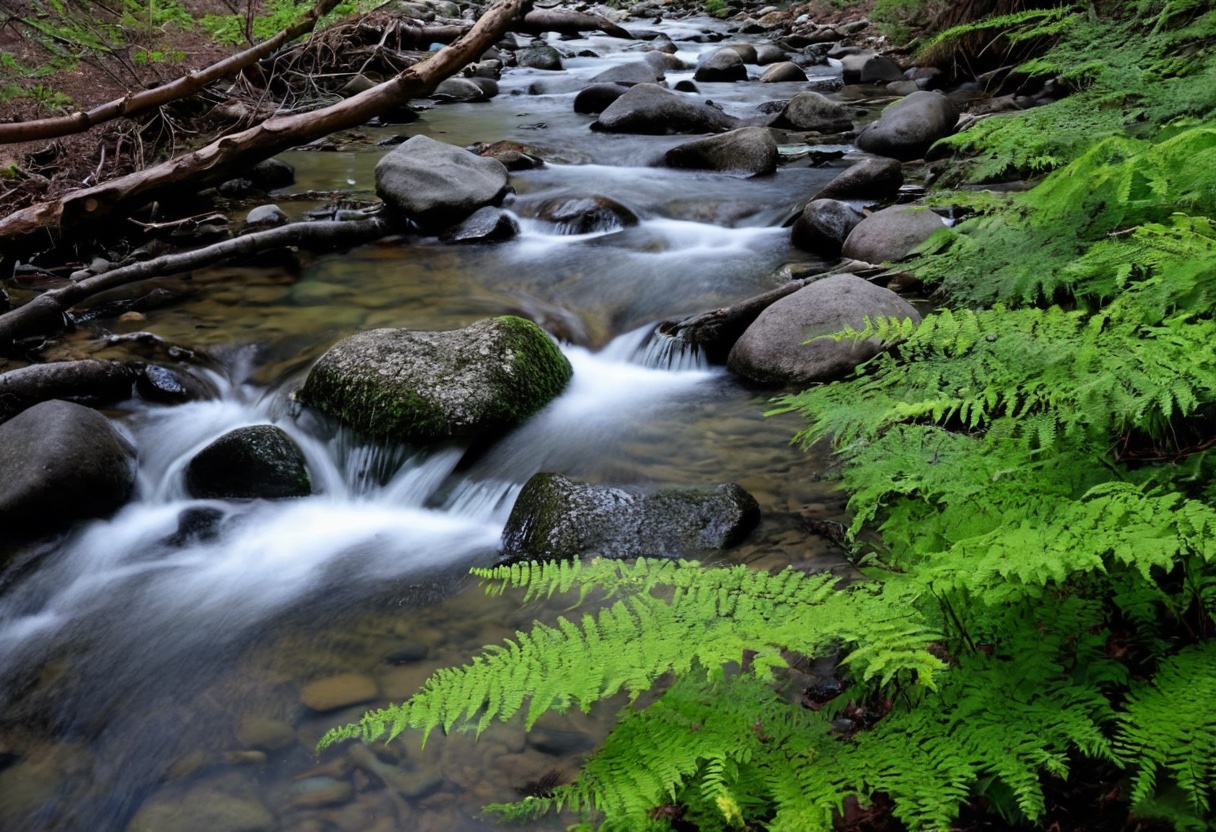
The night before, do three things at home: tie on your hook and sinker so your line is ready to fish in the morning, lay out your clothes and gear by the door, and check the weather forecast one more time. Wind over 15 mph makes casting difficult for beginners, so a calm day is your best bet.
On the day of, arrive 30 minutes before your target fishing start time. That gives you time to find parking, walk to a good spot, set up your gear, and get comfortable before you even cast. If you’re using live bait, buy it that morning — worms and minnows stay fresh longer when purchased day-of.
Your first trip will likely involve more learning than catching, and that’s exactly how it should go. The water teaches you more than any article can. Pay attention to where the current slows, where the shade hits the water, and where other anglers are casting — those are all free lessons.
For more on the gear itself, our rod and reel buying guide covers how to match reel to rod. And once you’re in the water, our guide to casting will help you land your bait where it counts.