
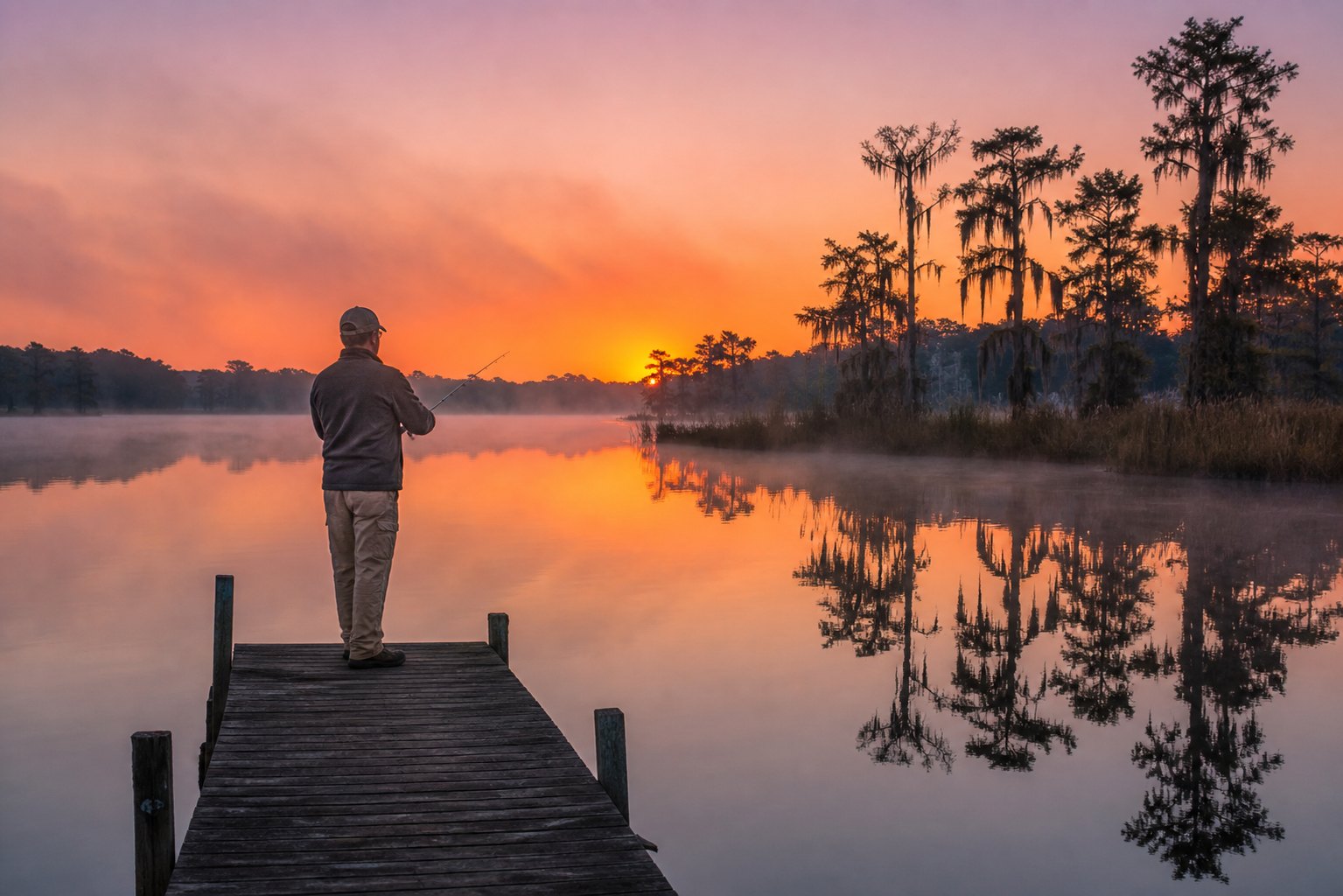
You went fishing on a Saturday morning. You had the rod, the bait, and plenty of patience. You sat there for three hours and caught nothing. You started wondering if the lake was dead — or if you just weren’t cut out for fishing.
Here’s the honest truth: the problem probably wasn’t your gear, your bait, or your skill. It was timing.
Fish don’t feed at the same rate all day long. Their feeding activity shifts with light levels, water temperature, and what prey they can find. Cast at the right time and you’ll get bites. Cast at the wrong time and you’ll be watching the line with nothing happening.
This guide covers when fish are most likely to bite and how to plan your next trip for the best chance at success.
Why Time of Day Matters More Than You Think
Fish are cold-blooded predators. Their body temperature matches the water around them, and their metabolism — basically how hungry they are and how actively they hunt — changes with the conditions.
Light and temperature are the two biggest factors. When water is cool and light is low, most freshwater species switch into feeding mode. When it gets hot and bright, they slow down and retreat to cooler, deeper areas to wait things out.
That’s why two windows of the day — dawn and dusk — consistently produce the best fishing for almost every freshwater species. During these transition periods, fish have a real advantage: their vision is adapted for low light, so they can spot and catch prey that most other creatures can’t even see.
If you’ve ever wondered why experienced anglers seem to always show up before sunrise or hang around until sunset, this is the reason.
The Golden Rule: Dawn and Dusk Are the Best Times
The two primary feeding windows are:
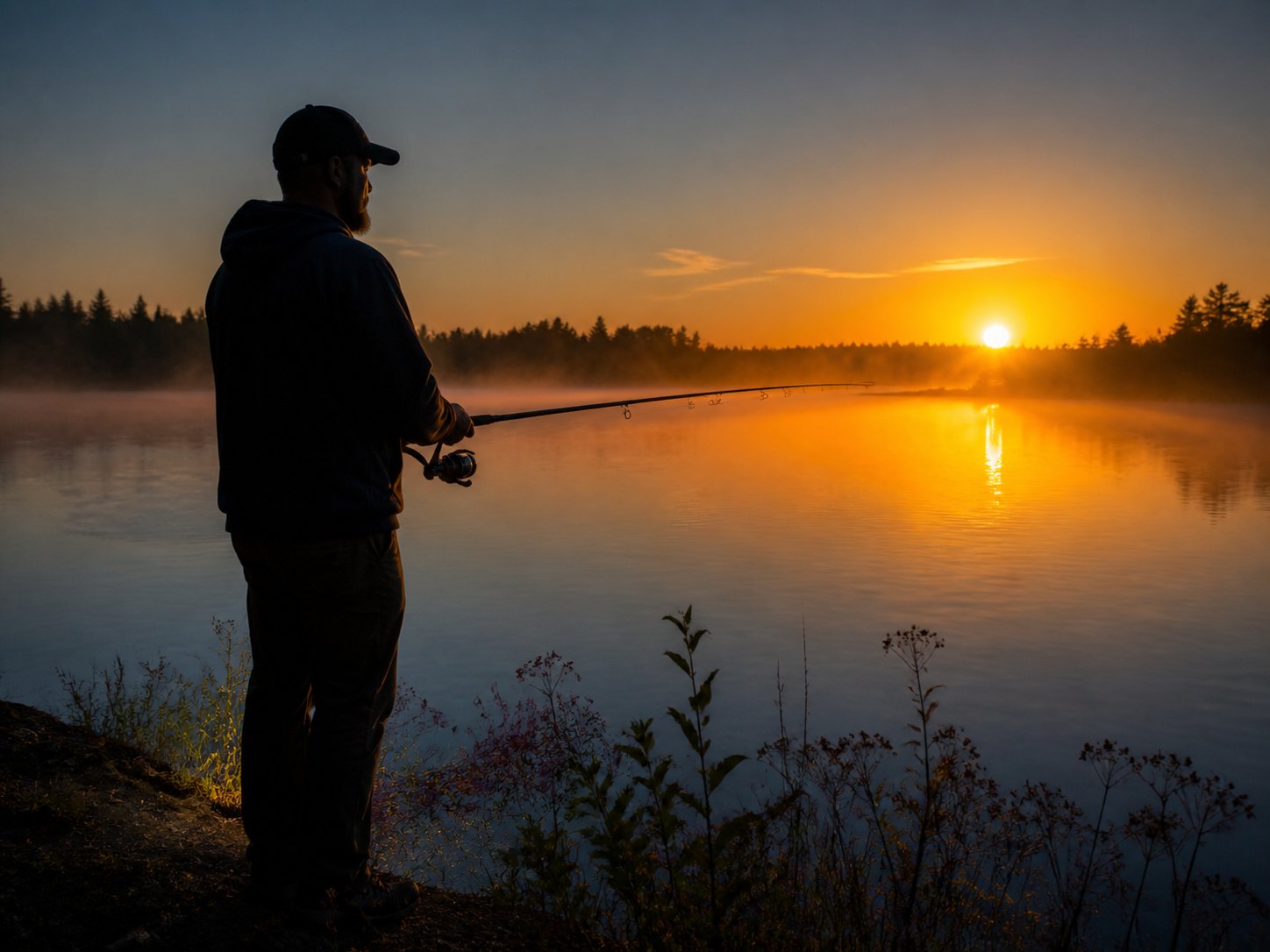
Dawn: This runs from about 30 minutes before sunrise through roughly two hours after. The water is cool from the night, the light is low, and predators are actively hunting near the surface. Bass, panfish, and trout are all likely to be feeding hard during this window.
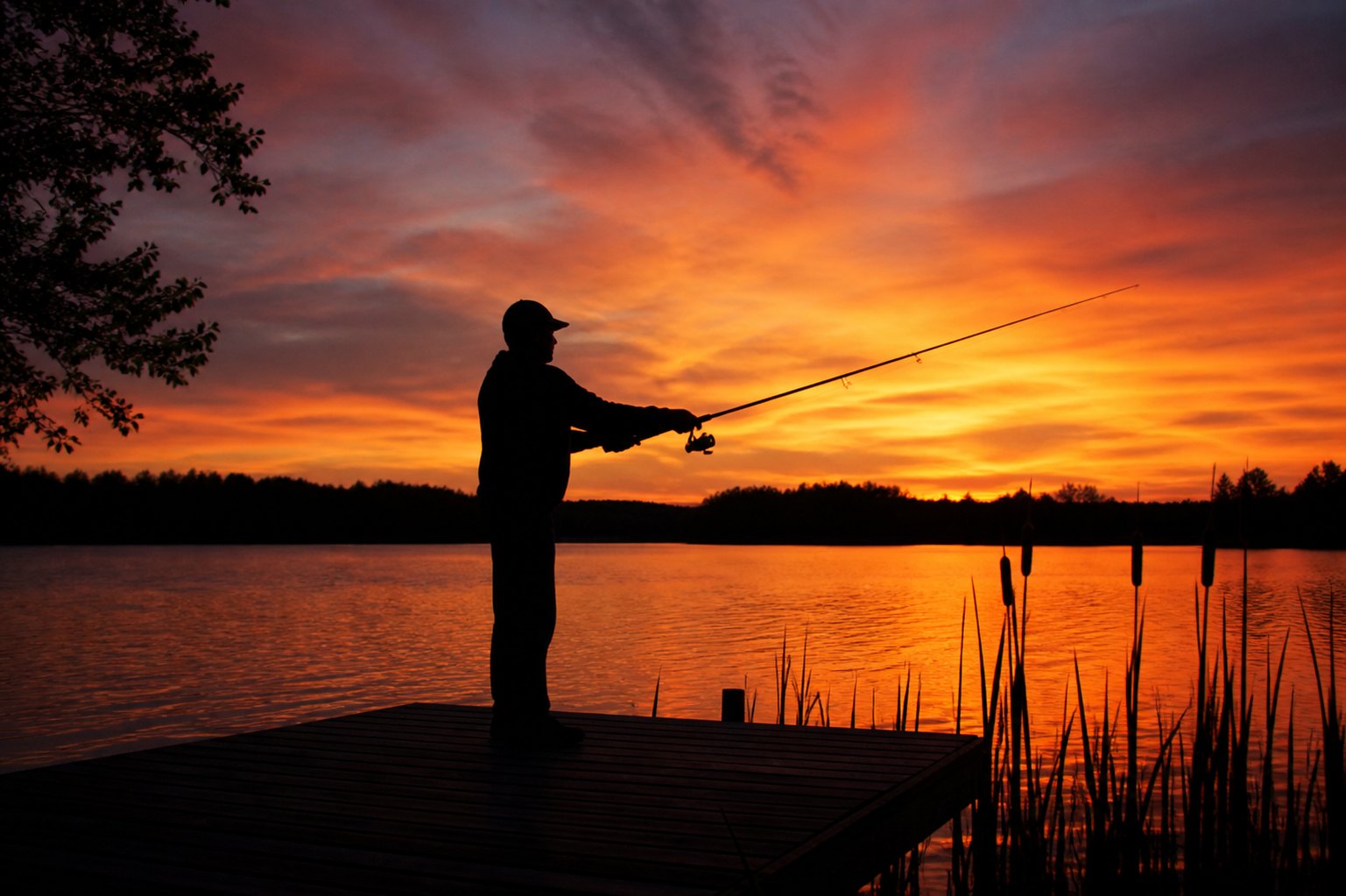
Dusk: This starts about an hour before sunset and continues for roughly two hours after. It’s the second major feeding window, and in many cases, it actually beats dawn during the summer.
Why might dusk win in summer? Because by late afternoon, oxygen in the water has been boosted by all the plants’ photosynthesis during the day. Fish have energy to burn and feed aggressively as the evening approaches.
Both windows give you roughly two hours of peak activity. Plan your trip around them.
What Happens at Each Feeding Window
Dawn Feeding (Pre-Sunrise to ~2 Hours After)
The water has cooled overnight, and the low light gives predator fish confidence to move into shallow areas where they can ambush prey. Bass will patrol weed edges. Panfish will gather near structure. Trout in cooler months will feed actively from early morning.
This is your most reliable window. It works in every season and is especially productive in spring and summer when the daylight transition is sharp.
Dusk Feeding (~1 Hour Before Sunset to ~2 Hours After)
As light fades again, fish resume feeding. The key difference from dawn is that in summer, oxygen levels are typically higher in the afternoon, which keeps fish more active. This means dusk can produce even more aggressive feeding than dawn during warm months.
Catfish, bass, and panfish are all likely to bite. As full darkness falls, many species move even shallower.
Night Feeding (Full Darkness)
Night fishing is a solid third option, especially on moonlit summer evenings. Catfish become particularly active, moving into shallow bays and creek channels. Bass and panfish also feed in shallow water at night when the pressure from predators and other anglers is lower.
Night fishing requires different tackle and safety gear, but it can be incredibly productive if you’re prepared.
Fish Activity at Midday (And Why It’s Not Useless)
Here’s a common beginner mistake: showing up at midday, noticing the sun is high and the biting has slowed, then packing up and going home.
Midday fishing isn’t useless — it just asks for a different approach.
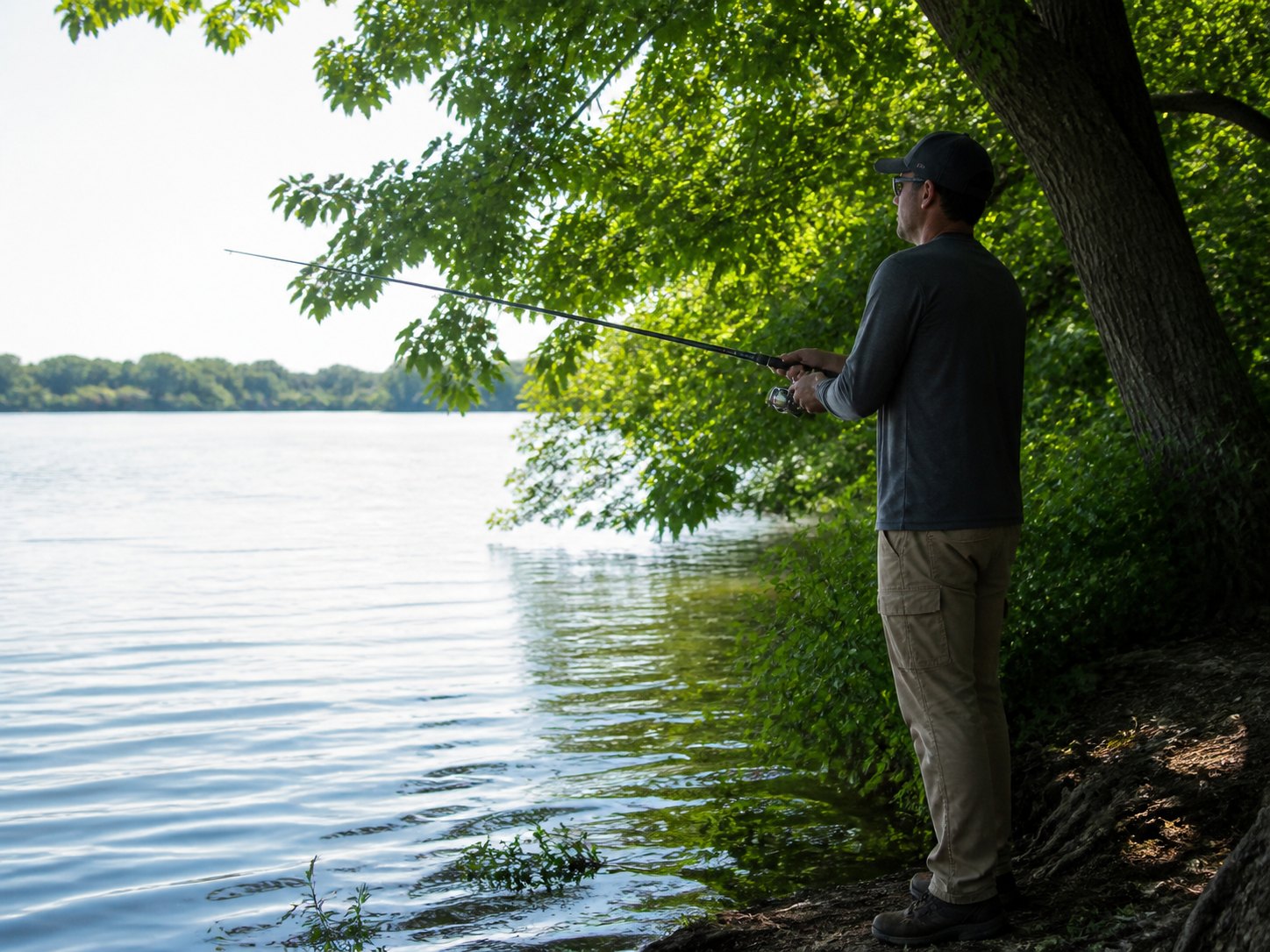
When the sun is high and water temperatures warm up (typically between 10 a.m. and 5 p.m.), fish don’t stop eating. They relocate. Most species move to deeper water, thick shade, or cover that blocks the bright light. Bass will hide under docks, along fallen trees, or in deeper weed lines.
If you plan to fish at midday, target these deeper or shaded spots rather than open, shallow water. Use slower presentations and lighter lines — fish are less active and more cautious during these hours.
Rainy or overcast days change the midday equation entirely. When the sky is gray and light doesn’t penetrate deeply, fish often feel safe enough to feed in shallower water even during the hottest part of the day.
Species-Specific Timing: When to Fish What
Different species have different feeding patterns. Knowing what you’re targeting helps you pick the best window.
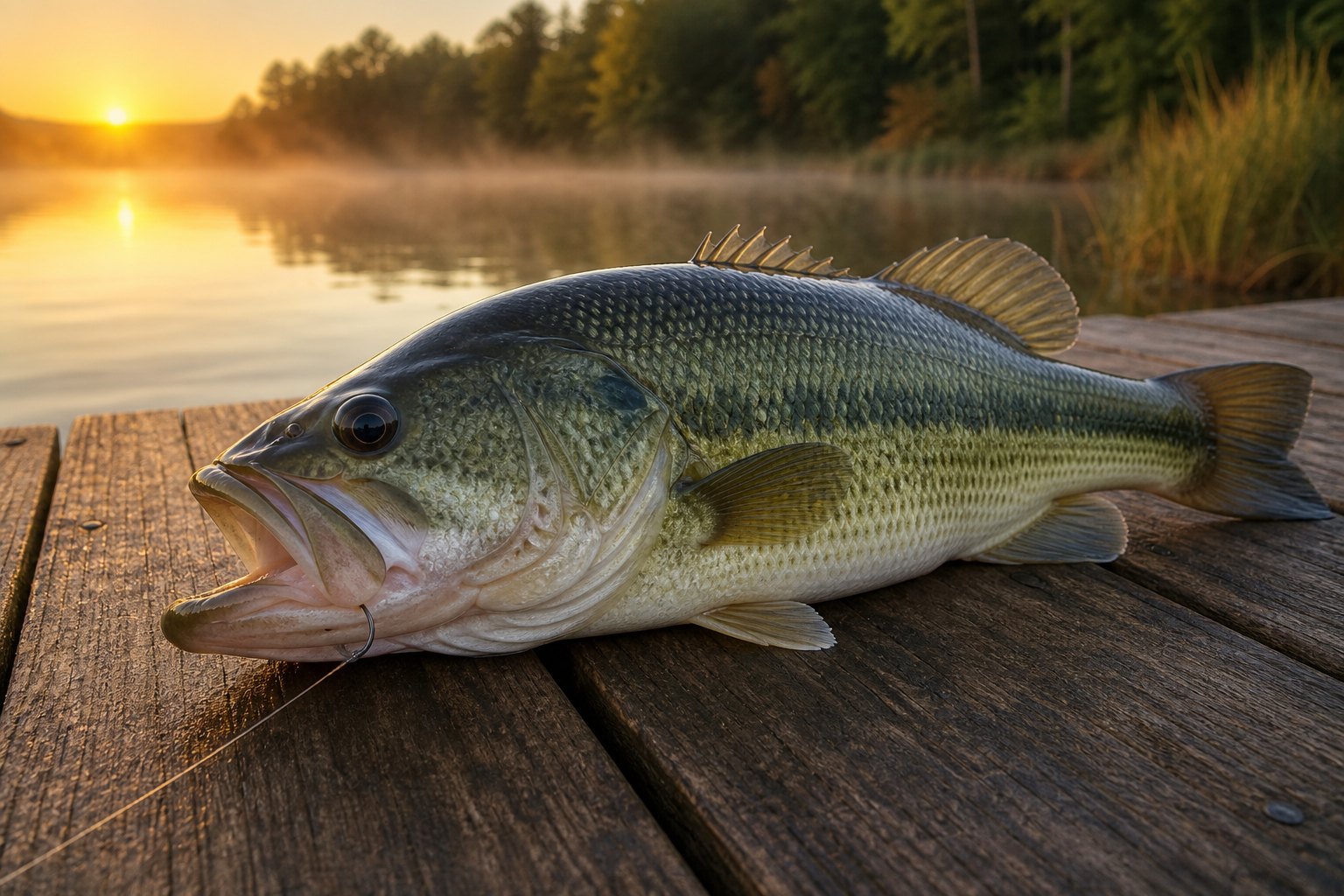
Largemouth bass: Most active at dawn and dusk. Peak feeding is during the first 60–90 minutes after sunrise and the last 60–90 minutes before sunset. In summer, bass often go deeper during midday and come back to feed as evening approaches. Night feeding is productive on warm, moonlit summer nights.
Catfish: More night-oriented than bass. They’re consistently active at dusk and through the night, especially in warm weather. Dawn is also good. Catfish will feed throughout the day when weather is cool or overcast.
Panfish (bluegill, crappie): Best at dawn and early morning. They tend to feed actively in the first few hours after sunrise, then slow down as the day warms. They’re not as aggressive at dusk as bass are.
Trout: Dawn is usually the best window in warm weather, when the water is coolest and fish are most active. In spring and fall, trout can feed actively all day because water stays moderate.
Weather That Changes the Rules
Time of day isn’t the only factor. Weather conditions can extend feeding windows, shift them around, or sometimes override them completely.
Falling barometric pressure (the hours before a weather front arrives) is a great sign. As pressure drops, fish often feed more aggressively and for longer. You might see productive bites well into midday when they would normally be slow.
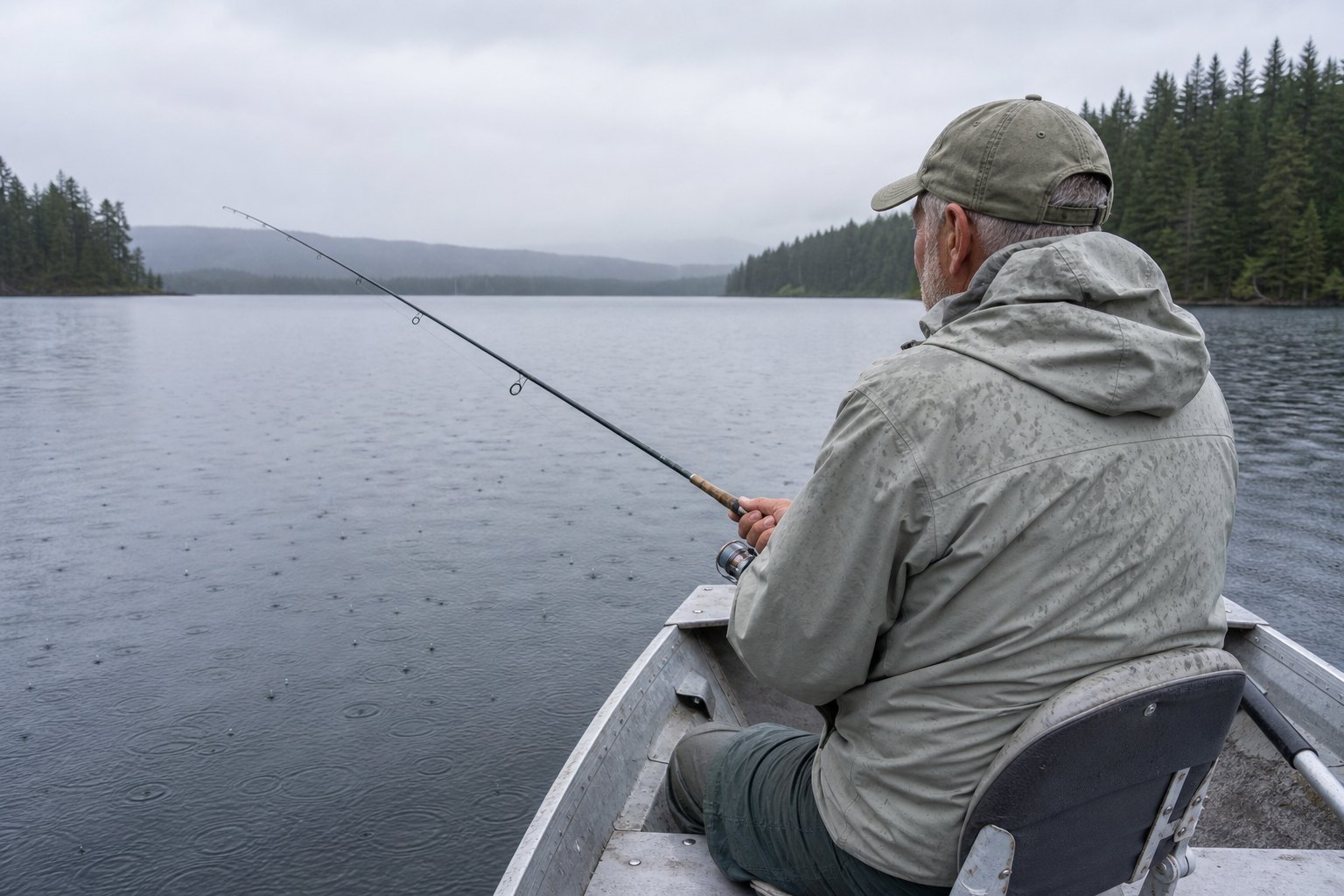
Overcast or cloudy days reduce surface light, which keeps fish feeling safe in shallower water for longer. On a gray day, the dawn and dusk windows can stretch all the way into midday.
Light rain is actually great fishing weather. Rain breaks up the water’s surface, reduces light penetration, and washes insects and other food into the water — triggering a feeding response in bass, panfish, and trout.
Rising pressure (after a front passes) is the opposite. Fish tend to move into cover and reduce their feeding. If you’re fishing right after a cold front, expect slower bites no matter what time it is.
Your Action Plan: How to Plan Your Next Trip
You don’t need to memorize all the science behind fish behavior. Here’s what you need to do before your next trip:
Check sunrise and sunset times for your area. You can find this in any weather app or by searching “sunrise [your city].” Plan to arrive about 30 minutes before sunrise for a dawn session, or about an hour before sunset if you’re targeting dusk.
Pick your window and commit. If you can only fish one time, pick dawn. If you have more time, stay until dusk. These two windows together give you the best chance at catching fish.
Use a weather app. Look for falling barometric pressure before your trip — that’s a sign fish will feed more actively. Overcast or rainy days make midday more productive, so don’t cancel just because the sky is gray.
Target the right spots for the time. Early morning and evening? Try shallow areas, weed edges, and docks. Midday? Go deeper, find shade, or target structure.
If you’re new to fishing, a good place to start is planning your first fishing trip and finding fishing spots near you.
The next time you cast your line, remember: you’re not bad at fishing. You might just need better timing.